
 Pin It
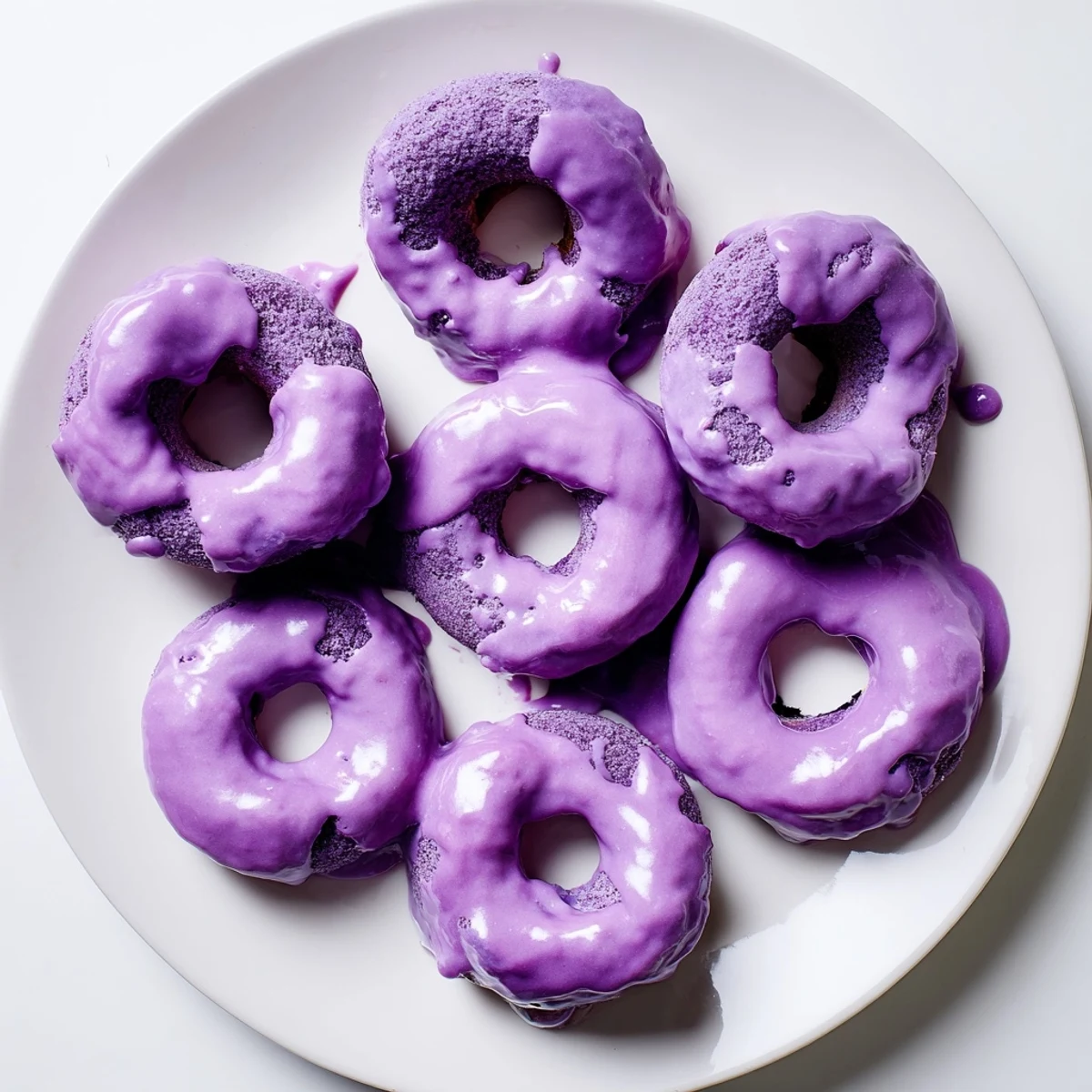
 These chewy purple donuts combine the nutty sweetness of Filipino ube with the delightfully springy texture of Japanese mochi. The sweet rice flour creates that signature chewy interior while frying produces a light, crispy exterior. Finished with a vibrant ube glaze, these fusion treats offer a unique dessert experience that's naturally gluten-free.
My sister sent me a photo of these vibrant purple treats from a bakery in Manila and I became obsessed with recreating them at home. After three attempts with different flour combinations, I finally landed on the perfect balance of chewy and sweet. The first successful batch disappeared so fast at my weekend brunch that I barely got to taste one myself.
I brought a batch to my neighbors housewarming party and watched them vanish within minutes. Her six year old daughter kept asking if there were any more purple donuts hidden anywhere, and honestly I was wishing I had made a double batch myself.
Ingredients
- Sweet rice flour (mochiko): This glutinous rice flour creates the signature chewy texture that makes mochi so addictive
- Almond flour: Adds subtle nuttiness and helps structure the donuts without making them dense
- Baking powder: Essential for that light puffy rise when the donuts hit the hot oil
- Fine sea salt: Balances the sweetness and lets the ube flavor shine through
- Whole milk: Creates a tender crumb and helps dissolve the sugar evenly
- Granulated sugar: Sweetens the dough without overpowering the delicate ube flavor
- Ube halaya (ube jam): The star ingredient providing both vibrant purple color and authentic flavor
- Large eggs: Bind everything together while contributing richness and structure
- Melted unsalted butter: Adds flavor depth and helps create that golden crispy exterior
- Vanilla extract: Complements the natural vanilla notes in ube beautifully
- Neutral oil: High smoke point oil ensures even frying without adding competing flavors
- Powdered sugar: Creates a smooth pourable glaze that sets perfectly on the donuts
- Ube halaya for glaze: Reinforces the ube flavor and gives the icing that stunning purple hue
- Milk for glaze: Adjust the consistency until it flows like honey over the warm donuts
Instructions
- Whisk the dry foundation:
- In a large bowl combine the sweet rice flour almond flour baking powder and salt until evenly distributed throughout the mixture
- Blend the wet mixture:
- In a separate bowl whisk together the milk sugar ube halaya eggs melted butter and vanilla until you achieve a smooth purple mixture free of lumps
- Bring everything together:
- Pour the wet ingredients into the dry mixture and stir until you have a thick sticky dough that holds together when pressed
- Shape your donuts:
- Lightly dust your hands with rice flour and roll the dough into small balls then arrange eight balls in a ring on parchment paper squares pressing gently to seal them
- Fry to golden perfection:
- Heat your oil to 340F then carefully lower the parchment squares into the hot oil frying for 2 to 3 minutes per side until puffed and golden
- Rest and drain:
- Remove the donuts with a slotted spoon letting them drain on a wire rack lined with paper towels until cool enough to handle
- Create the purple glaze:
- Whisk together powdered sugar additional ube halaya milk and a pinch of salt until you have a smooth pourable consistency
- Dip and set:
- Dip the tops of the slightly cooled donuts into the glaze and let them set for 10 to 15 minutes before serving
 Pin It
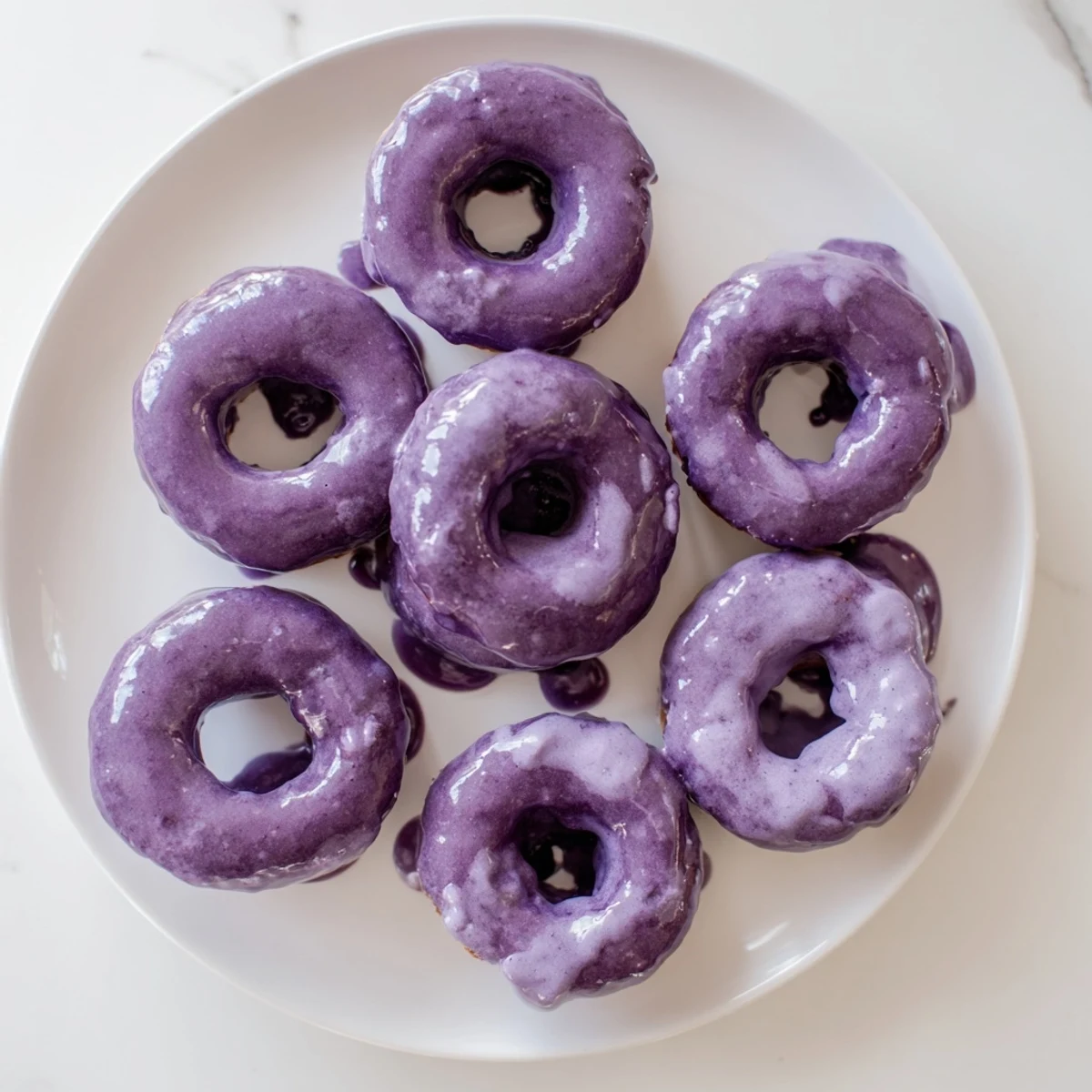
 My mom who claimed she did not like anything purple or unusual took one bite and immediately asked for the recipe. Now she makes these for her book club and tells everyone her daughter invented them.
Getting That Perfect Purple Color
Natural ube can vary dramatically in color intensity from pale lavender to deep violet depending on the harvest and how the jam was prepared. If your dough looks more pink than purple do not worry the flavor will still be authentic. For a more vibrant appearance you can add a few drops of ube extract or a pinch of beet powder to boost the color without altering the taste.
Mastering the Mochi Texture
The key to achieving that signature chew lies in not overworking the dough and frying at the right temperature. Undercooked mochi donuts will be gummy inside while overcooked ones become tough. The donuts are done when they feel light for their size and sound hollow when tapped gently against the counter.
Serving and Storage
These donuts are best enjoyed the day they are made when the exterior is still crisp and the interior perfectly chewy. However they can be stored in an airtight container for up to two days though the texture will soften slightly.
- Warm them in the microwave for 10 seconds to refresh that just fried texture
- Pair with Filipino coffee or Japanese matcha for a complete experience
- Experiment with shaping them into balls for easier frying and portion control
 Pin It
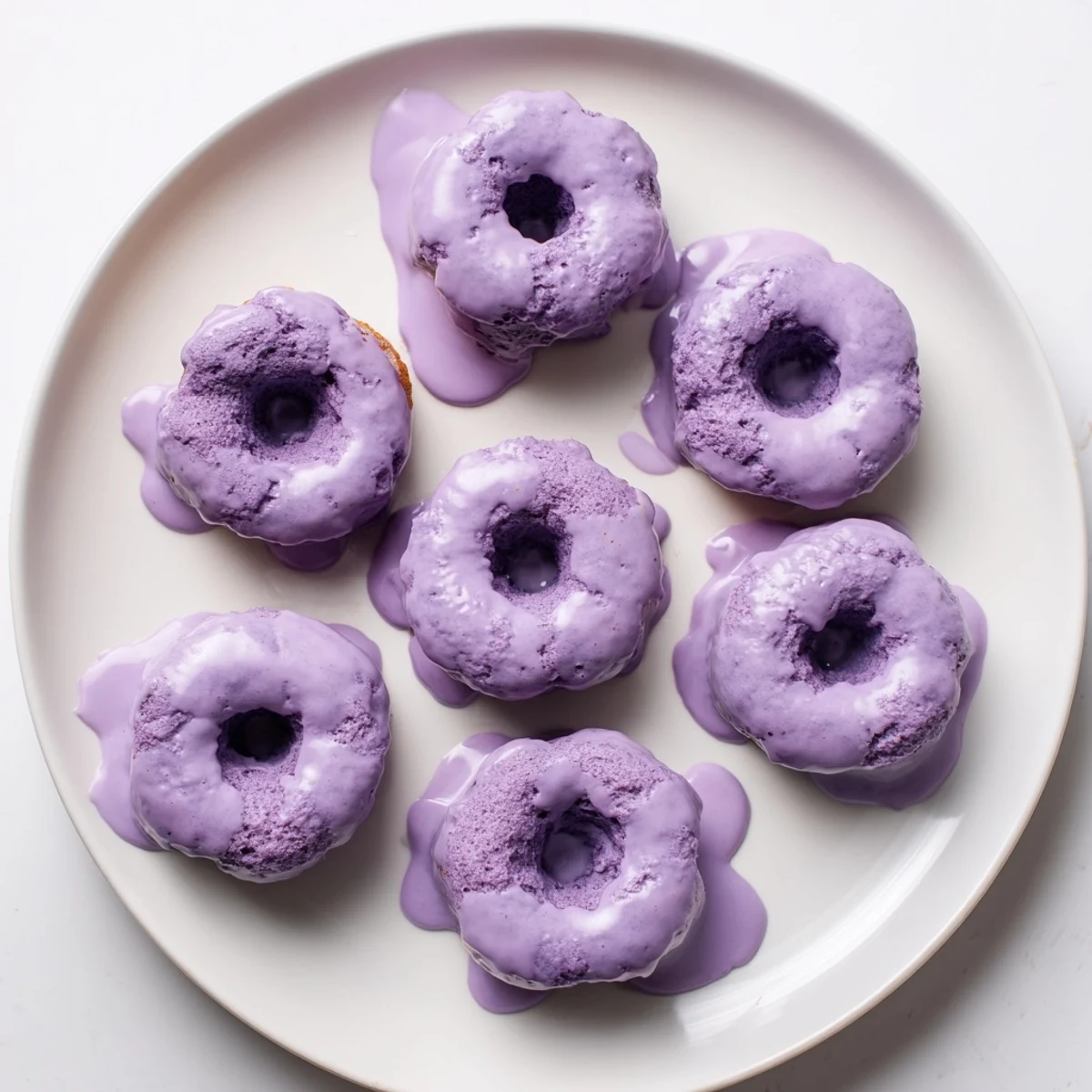
 There is something magical about watching people bite into these purple beauties and seeing their eyes light up at that first chewy sweet mouthful. Happy baking and may your kitchen be filled with the wonderful aroma of ube.
Common Questions
- → What makes these donuts chewy?
-
The chewy texture comes from sweet rice flour (mochiko), which creates that signature mochi-like bounce and springiness in every bite.
- → Where can I find ube halaya?
-
Ube halaya or ube jam is available at Asian grocery stores, Filipino markets, or online specialty retailers. Some well-stocked international markets may also carry it in the Asian aisle.
- → Can I bake these instead of frying?
-
While frying gives the best texture with crispy exterior and chewy interior, you can bake at 350°F for 12-15 minutes. The texture will be slightly less crispy but still deliciously chewy.
- → How should I store these?
-
Store in an airtight container at room temperature for up to 2 days. For longer storage, refrigerate for up to 5 days, though the texture may become slightly firmer. Reheat briefly in the microwave to restore softness.
- → Can I make these dairy-free?
-
Yes, substitute whole milk with plant-based milk like almond or oat milk, and use vegan butter instead of regular butter. The texture and flavor remain excellent.
- → Why is my dough too sticky to handle?
-
The dough should be thick and slightly sticky. Lightly dusting your hands with rice flour helps manage the stickiness. If it's unworkable, chill the dough for 15-20 minutes before shaping.
