
 Pin It
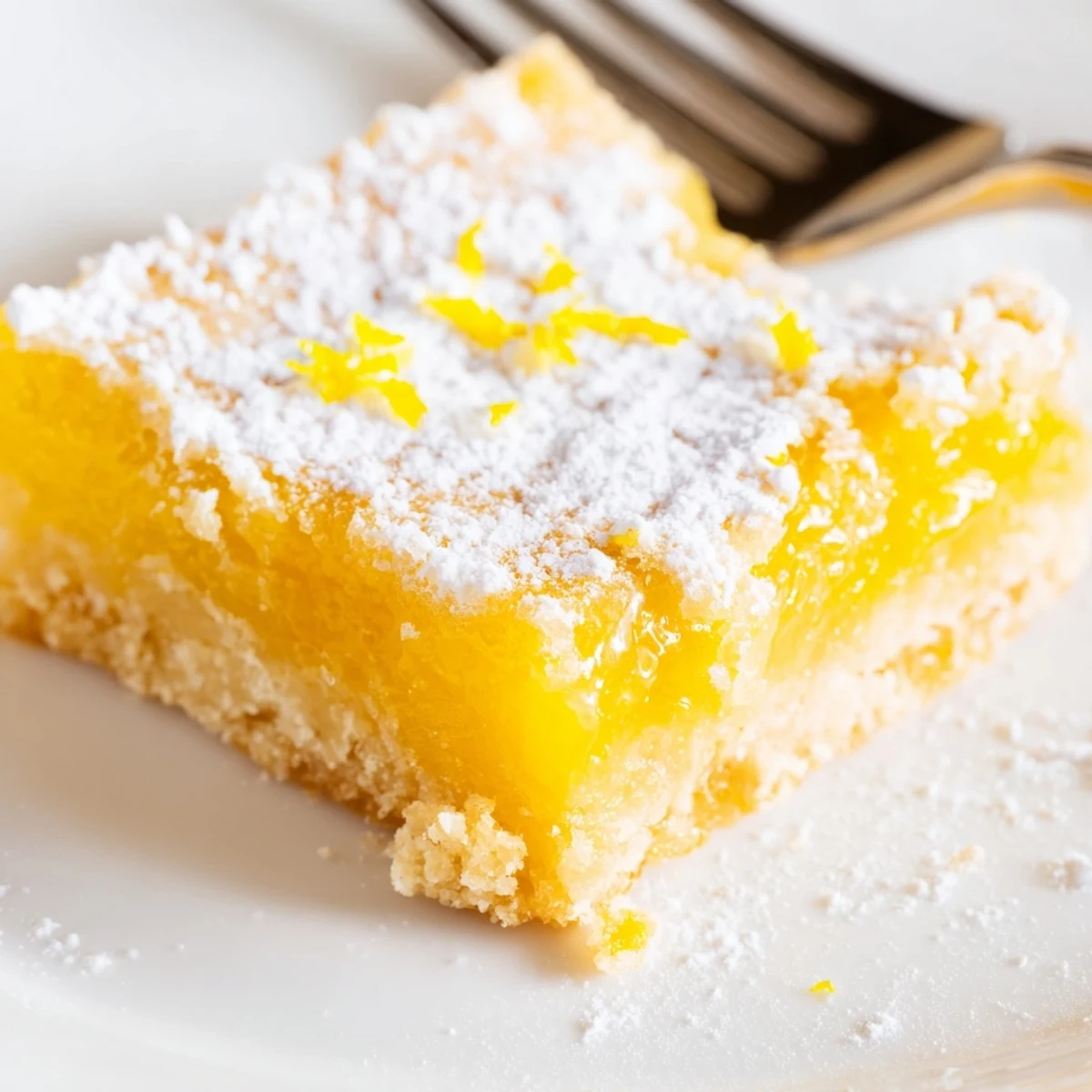
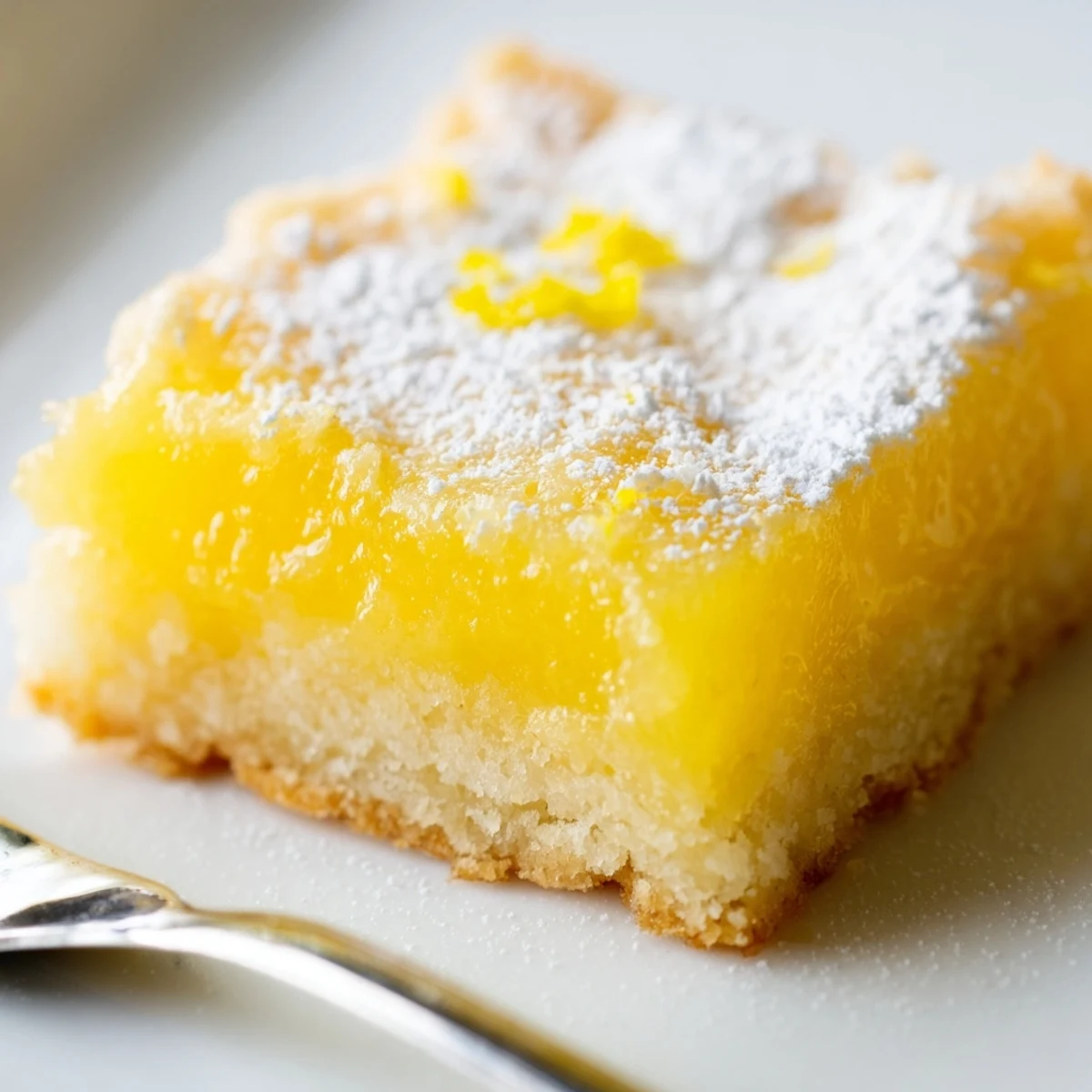
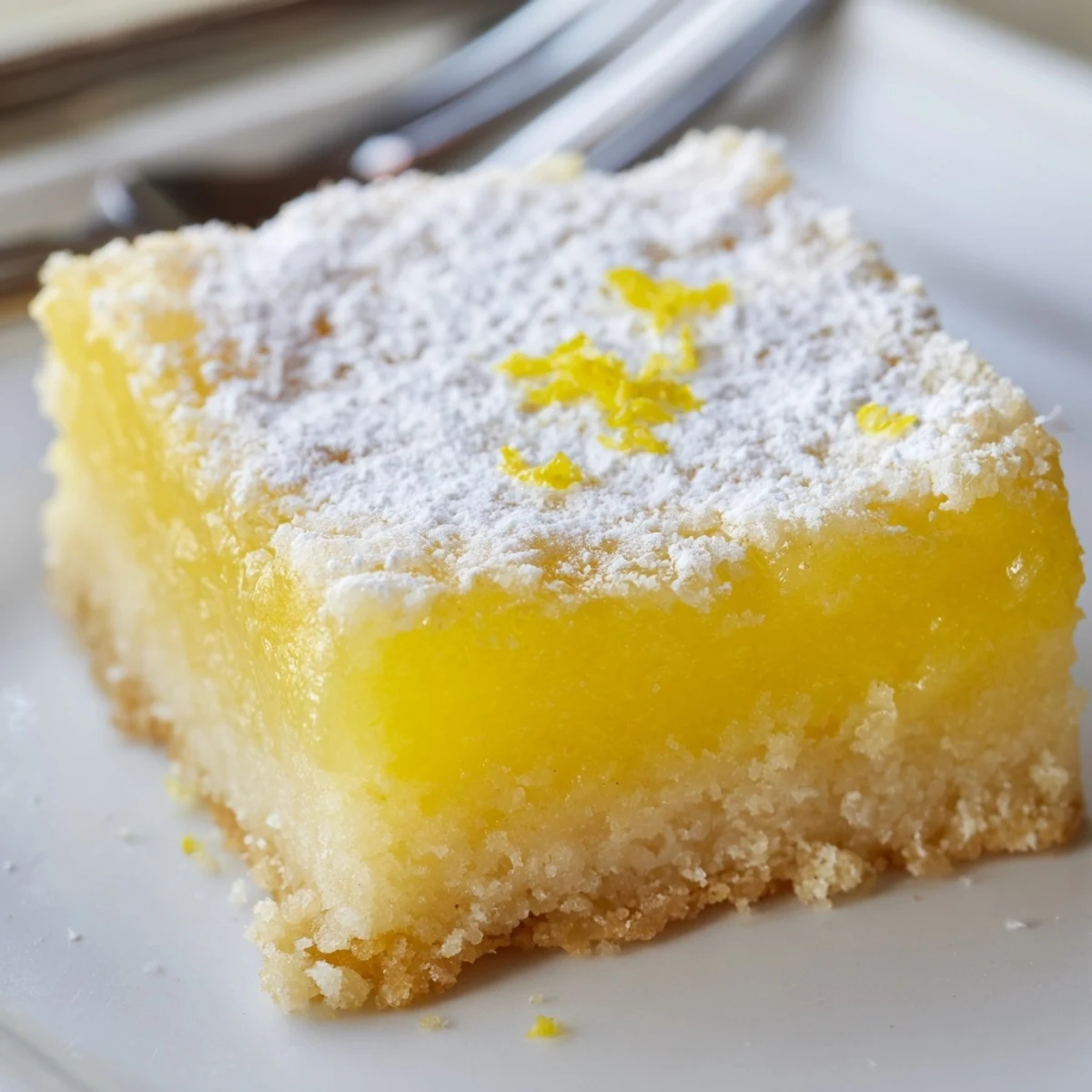
 These bright and fresh lemon bars feature a buttery shortbread crust topped with a tangy lemon filling made from fresh lemon juice and zest. Ready in just 50 minutes, they yield 12 perfectly portioned bars ideal for warm-weather entertaining.
The crust comes together with just four ingredients—butter, sugar, flour, and salt—pressed into a pan and baked until golden. The silky lemon filling uses eggs, sugar, flour, fresh lemon juice, and zest, poured over the hot crust and baked until set.
Finish with a dusting of powdered sugar and serve chilled for the best texture. These vegetarian-friendly bars store well in the fridge for up to four days.
My kitchen smelled like a citrus grove in the middle of a rainstorm the afternoon I stumbled into my perfect lemon bar recipe. I had bought a bag of lemons intending to make tea and realized I had more than I could ever use before they turned. The butter was already soft on the counter from morning toast, and the oven was still warm from a failed batch of cookies. Something about that combination of accidents felt like permission to just go for it.
I brought a pan of these to a neighbors potluck last June and watched a woman I had never met eat three of them standing right by the dessert table. She caught me staring and just shrugged, saying she had no regrets. That reaction told me everything I needed to know.
Ingredients
- Unsalted butter (1 cup, softened): The foundation of that melt in your mouth crust. Let it soften naturally at room temperature for about an hour. Microwaving it changes the texture and your crust will spread too thin.
- Granulated sugar (1/2 cup for crust, 1 1/2 cups for filling): Two separate measurements here. The smaller amount sweetens the shortbread gently while the larger amount balances the sharp bite of fresh lemon juice.
- All purpose flour (2 cups for crust, 1/4 cup for filling): The crust needs a generous amount to create that sturdy buttery base. The filling uses just a little to set the custard without making it cakey.
- Salt (1/4 tsp): A tiny pinch in the crust makes the butter flavor sing. Never skip salt in a shortbread.
- Large eggs (4): They give the filling its silky custard texture and help it set into that perfect slightly firm square. Use room temperature eggs for the smoothest result.
- Fresh lemon juice (2/3 cup, about 3 to 4 lemons): Please use fresh squeezed. Bottled lemon juice tastes flat and metallic here and you will notice the difference immediately.
- Lemon zest (1 tbsp finely grated): This is where all the fragrant oils live. Zest your lemons before juicing them or you will be fighting with soggy, slippery lemon skins.
- Powdered sugar for dusting: A snowy layer on top makes them look bakery beautiful and adds a gentle sweetness against the tart filling.
Instructions
- Prep your pan and oven:
- Heat your oven to 350 degrees F. Line a 9 by 13 inch baking pan with parchment paper, leaving the sides hanging over like handles. This little trick saves you from the nightmare of stuck bars later.
- Build the shortbread crust:
- Beat the softened butter and sugar together until the mixture looks pale and fluffy, about two minutes. Dump in the flour and salt and mix until it resembles wet sand that holds together when you squeeze it.
- Press and blind bake:
- Press the crumbly dough firmly and evenly across the bottom of your lined pan. Use the flat bottom of a measuring cup to get it smooth. Bake for 18 to 20 minutes until the edges turn a soft golden color.
- Whisk the lemon filling:
- While the crust bakes, whisk the eggs and sugar together until blended and slightly frothy. Add the flour and whisk until smooth with no lumps, then pour in the lemon juice and zest and stir gently until combined.
- Combine and finish baking:
- Take the hot crust from the oven and reduce the temperature to 325 degrees F. Pour the lemon mixture over the warm crust and slide it back in. Bake another 18 to 20 minutes until the center no longer wobbles when you give the pan a gentle shake.
- Cool, cut, and dust:
- Let the bars cool completely in the pan on a wire rack. Patience is hard here but cutting warm lemon bars just gives you a messy puddle. Lift them out with the parchment handles, slice into twelve squares, and shower with powdered sugar.
 Pin It
 The afternoon I finally nailed the texture on these bars, I sat on my kitchen floor waiting for them to cool and ate two corners straight off the parchment. They were still slightly warm and imperfect and completely wonderful.
Getting the Texture Right
The trick to lemon bars that slice cleanly instead of turning into a sticky mess is patience during cooling and that small amount of flour in the filling. It acts as a gentle binder without making the custard dense or cakey. If your filling seems too jiggly after the recommended baking time, give it two more minutes but no more than that. Overbaked lemon bars develop a rubbery surface that no amount of powdered sugar can hide.
Playing With Citrus
Once you have the base technique down, this recipe welcomes experimentation. Try swapping half the lemon juice for lime to create a tropical version that tastes like a key lime pie met a lemon bar. Orange juice works too but use less sugar in the filling because oranges bring their own sweetness. Grapefruit is a bold move that actually pays off beautifully with an extra pinch of zest and a little more sugar to balance the bitterness.
Storing and Serving
Lemon bars actually improve after a night in the refrigerator because the filling firms up and the flavors deepen into something more complex. Keep them covered and they will stay delicious for up to four days, though they rarely last that long in my house. The powdered sugar dusting will absorb moisture over time, so add it just before serving if you want that fresh snowfall look. Let chilled bars sit at room temperature for about fifteen minutes before eating for the best texture and flavor.
- Freeze individually wrapped bars for up to three months for an emergency dessert stash.
- A microplane zester gives you the finest zest without any bitter pith.
- Always zest before you juice or you will be wrestling with a deflated, slippery lemon.
 Pin It
 Every time I zest a lemon now, that bright sharp fragrance brings me right back to that rainy afternoon of happy accidents. Some recipes become yours not because you planned them but because the kitchen handed you something better than what you had in mind.
Common Questions
- → Can I use bottled lemon juice instead of fresh?
-
Fresh lemon juice is strongly recommended for the brightest, most vibrant flavor. Bottled lemon juice lacks the fresh zing and natural oils found in freshly squeezed lemons, and you would still need fresh lemons for the zest, which adds essential citrus aroma.
- → How do I know when the lemon filling is fully set?
-
Gently shake the pan after the recommended baking time. The center should not jiggle or wobble. It should have a slight firmness to the touch. The edges will look slightly more golden than the center, which is perfectly normal.
- → Why do I need to lower the oven temperature for the filling?
-
The temperature is reduced from 350°F to 325°F to prevent the lemon filling from overcooking or developing a tough, rubbery texture. A gentler bake ensures a smooth, silky custard-like consistency while the edges set evenly.
- → Can I freeze lemon bars for later?
-
Yes, lemon bars freeze well for up to three months. Cut them into squares, wrap each individually in plastic wrap, then place in a freezer-safe container. Thaw overnight in the refrigerator before serving. Dust with powdered sugar after thawing for the best presentation.
- → What's the best way to get clean cuts when slicing?
-
Chill the bars thoroughly before cutting—cold bars slice much more cleanly. Use a sharp knife dipped in hot water and wiped dry between cuts. The parchment paper overhang makes it easy to lift the entire slab out of the pan before slicing.
- → Can I substitute a different citrus fruit?
-
Absolutely. Lime or orange juice and zest work beautifully as substitutions. Lime bars offer a more tropical tartness, while orange bars are sweeter and milder. Keep the measurements the same for either variation.
