
 Pin It
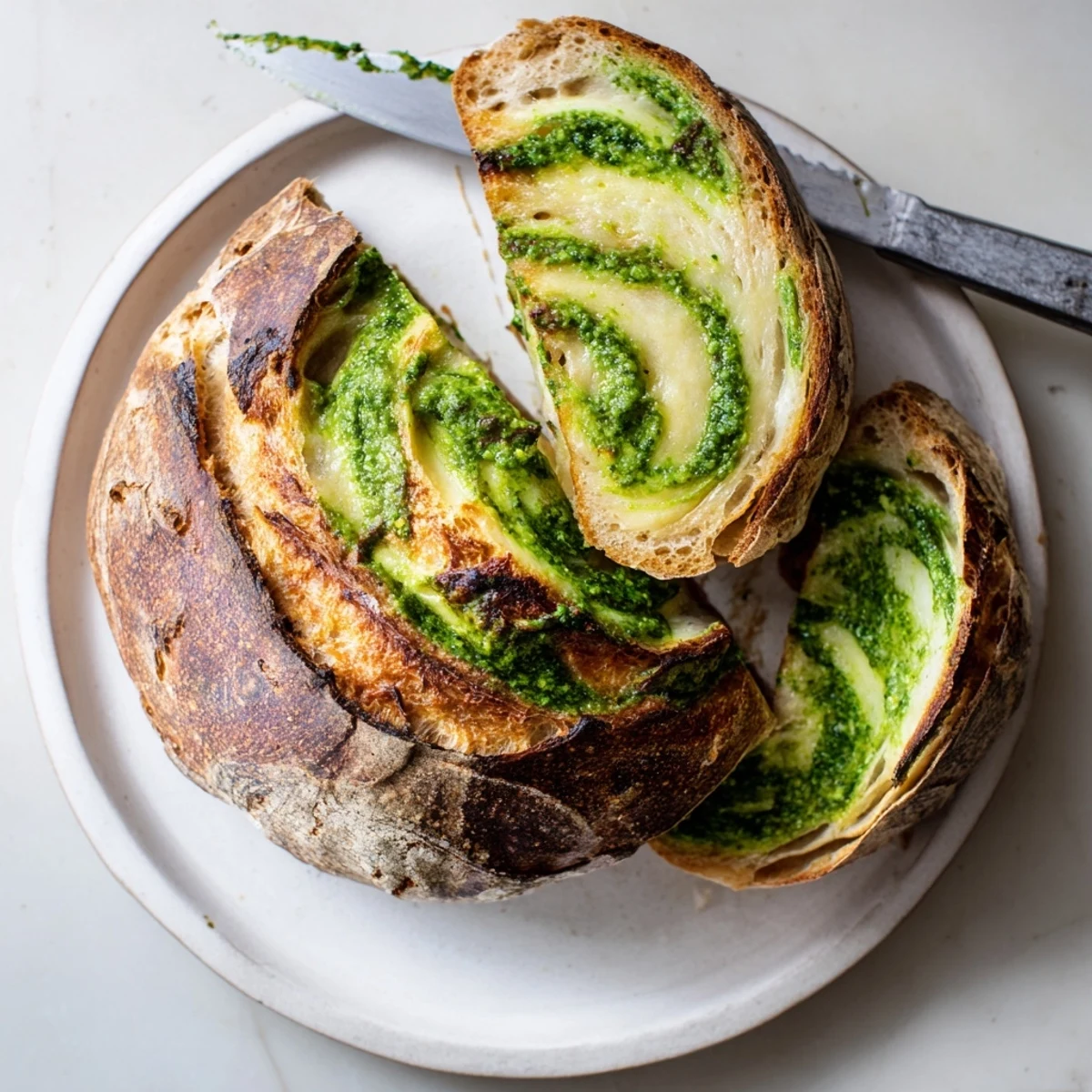
 Create a stunning artisan loaf by infusing classic sourdough with aromatic basil pesto and nutty Parmesan. This Italian-inspired bread features a tender crumb interspersed with vibrant green swirls and a golden, cheesy crust. The slow fermentation develops complex flavors while the pesto adds herbaceous brightness. Perfect alongside pasta dishes, for gourmet sandwiches, or simply torn and shared at the table with olive oil.
The first time I pulled this bread from the oven, my whole apartment smelled like an Italian grandmother's kitchen. I had been experimenting with incorporating mix-ins into my sourdough, and something about the combination of fragrant basil and salty Parmesan just clicked. My roommate wandered in, drawn by the aroma, and we ended up eating half the loaf warm with nothing but butter.
I made this for a dinner party last fall when the windows were open and there was just a hint of autumn chill in the air. My friend Sarah, who claims she doesn't even like pesto that much, went back for third helpling of bread. We spent the whole evening dipping slices into olive oil and balsamic, barely touching the main course I had planned.
Ingredients
- Bread flour: The higher protein content here gives you that beautiful structure and chew that sourdough lovers crave
- Active sourdough starter: Make sure it's bubbly and fed within the last 12 hours for the best rise and flavor development
- Fine sea salt: I've found that finer grains distribute more evenly throughout the dough
- Basil pesto: Homemade is lovely but don't stress—a good quality jarred pesto works beautifully here
- Freshly grated Parmesan: Please grate it yourself, the pre-grated stuff just doesn't melt or stick the same way
- Olive oil: Use a nice one since you'll taste it on that golden crust
Instructions
- Mix your base dough:
- Combine the bread flour and lukewarm water in a large bowl, stirring just until everything comes together. Cover it and walk away for 30 to 45 minutes to let the flour hydrate properly.
- Incorporate the starter and salt:
- Add your active sourdough starter and the sea salt to the rested dough. Mix thoroughly until it's well incorporated and the dough starts to develop some structure.
- Build strength through folding:
- Perform stretch-and-folds every 30 minutes for 2 hours, keeping the dough covered between each set. You'll do four total folds and feel the dough getting stronger and more elastic each time.
- Let it rest:
- After your final fold, let the dough rest at room temperature for about an hour while you clear your counter and prepare your workspace.
- Shape for filling:
- Turn the dough onto a lightly floured surface and gently stretch it into a rough rectangle, being careful not to deflate all those lovely bubbles you've created.
- Add the flavorful layers:
- Spread the basil pesto evenly over the dough, leaving about a 2 cm border around the edges. Sprinkle 40 g of the Parmesan cheese over the pesto.
- Roll and shape:
- Roll the dough up from the short end into a tight log, then gently shape it into a round or batard shape, sealing the seam well.
- Final rise:
- Place your shaped dough into a well-floured banneton or bowl with a flour-dusted towel, seam side up. Cover and let it rise at room temperature for 2 to 3 hours, or pop it in the fridge overnight for even deeper flavor.
- Preheat properly:
- Get your oven good and hot at 230°C with your Dutch oven or baking stone inside for at least 30 minutes before baking.
- Prepare for the oven:
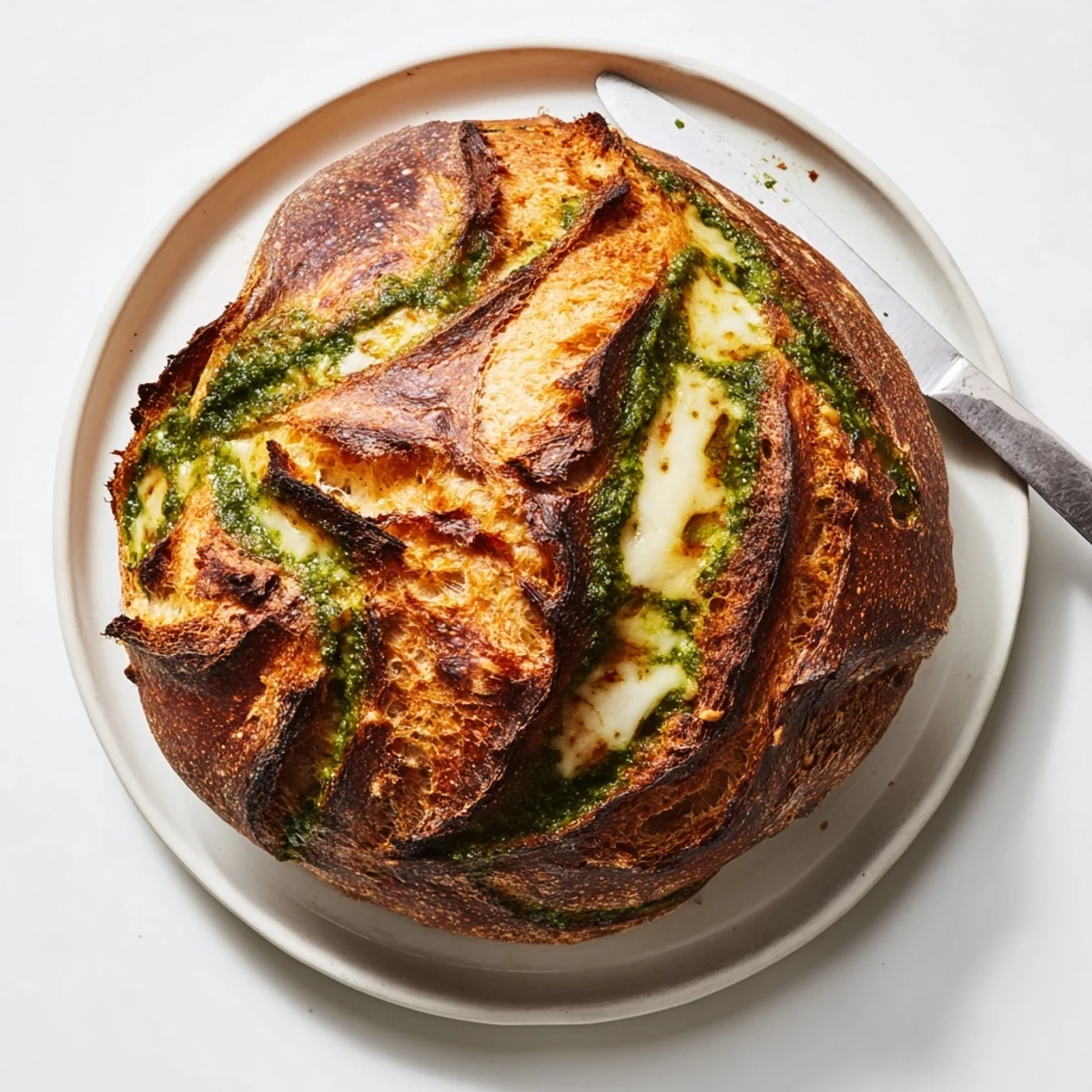
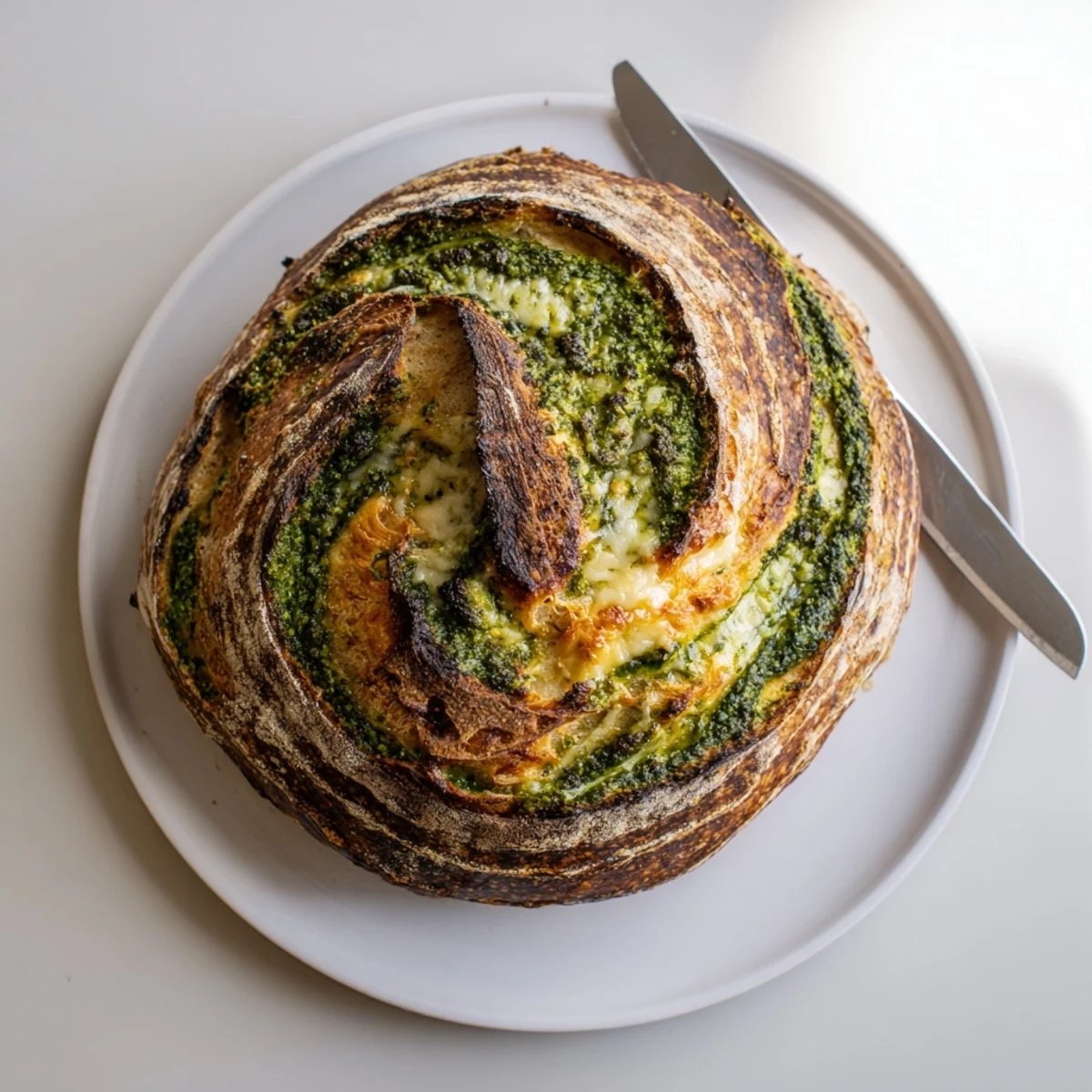
- Turn the dough out onto parchment paper, brush the top generously with olive oil, and sprinkle with the remaining Parmesan. Score it however you like—the cheese will get into those cuts.
- Bake with steam:
- Bake in your preheated Dutch oven with the lid on for 20 minutes. Remove the lid and bake for another 18 to 20 minutes until the cheese is golden and the crust sounds hollow when tapped.
- Cool completely:
- Let the bread cool on a wire rack for at least an hour before slicing. Cutting into warm bread is tempting but it makes the texture gummy.
 Pin It
 This bread has become my go-to when I need to bring something impressive to a gathering. Last Christmas morning, my family actually paused present-opening to devour slices warm from the oven, and that's saying something.
Playing with Flavors
Sometimes I swap the basil pesto for sun-dried tomato pesto or make a walnut version for a nutty earthiness. The technique stays the same, but the whole personality of the bread changes. Once I did a roasted red pepper spread that stained the crumb this gorgeous pinkish-orange and everyone kept asking what I did to make it so pretty.
Making It Your Own
Don't be afraid to add more cheese if you're feeling indulgent—some extra mozzarella folded into the layers creates these incredible cheese pulls when you slice it warm. I've also experimented with adding minced garlic or fresh herbs to the pesto layer for even more complexity.
Serving Ideas
This bread makes the most phenomenal grilled cheese sandwiches, elevating a simple lunch into something that feels restaurant-quality. It's also fantastic for paninis, or just torn into chunks and served alongside a big bowl of soup or pasta. The way the pesto melts into the cheese when toasted is honestly a game changer.
- Try it sliced thin and toasted for bruschetta topped with fresh tomatoes
- Use day old slices to make the most incredible savory bread pudding
- It freezes beautifully—just wrap individual slices and toast straight from frozen
 Pin It
 There's something deeply satisfying about pulling a loaf from the oven that looks this beautiful and tastes even better. Hope it brings as much joy to your table as it has to mine.
Common Questions
- → Can I use store-bought pesto?
-
Yes, store-bought basil pesto works perfectly in this loaf. Choose a high-quality brand with good olive oil content for the best flavor. Homemade pesto allows you to control the salt level and garlic intensity.
- → How long should the dough rise?
-
The bulk fermentation takes about 3–4 hours with stretch-and-fold sets. After shaping, allow 2–3 hours at room temperature or refrigerate overnight for a slower rise and deeper flavor development.
- → Can I freeze this loaf?
-
Absolutely. Once completely cooled, wrap the whole loaf tightly in plastic and foil, then freeze for up to 3 months. Thaw at room temperature and refresh in a warm oven for best texture.
- → What can I substitute for Parmesan?
-
Aged Asiago, Pecorino Romano, or Grana Padano work well as substitutes. For a different profile, try sharp cheddar or a blend of Italian cheeses. Ensure any substitute is hard and grateable for even distribution.
- → Why is my dough sticky?
-
High hydration doughs naturally feel tacky. Use wet hands or a dough scraper to handle. If excessively sticky, your flour may absorb less water than expected—add small amounts of flour during shaping rather than kneading more into the dough.
