
 Pin It
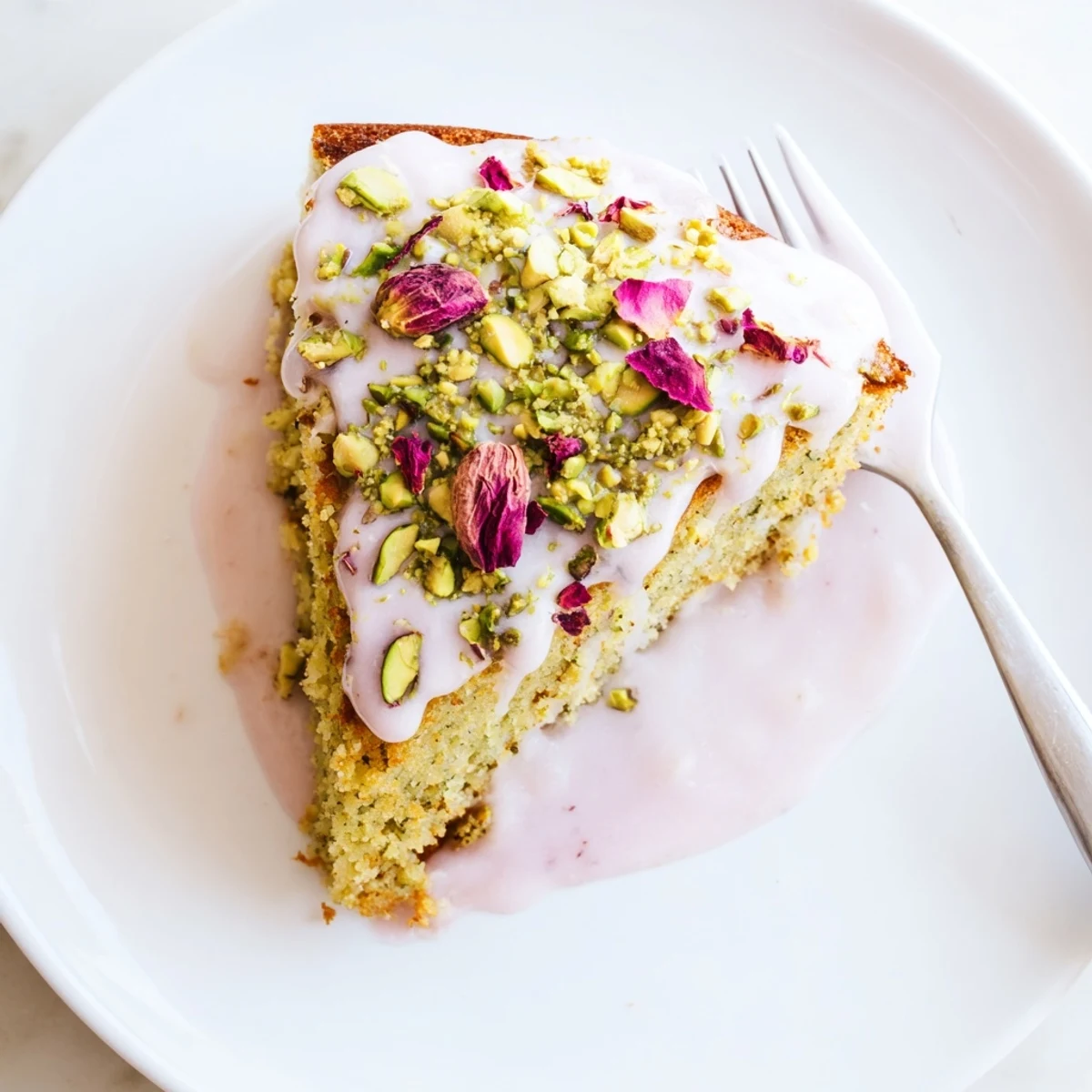
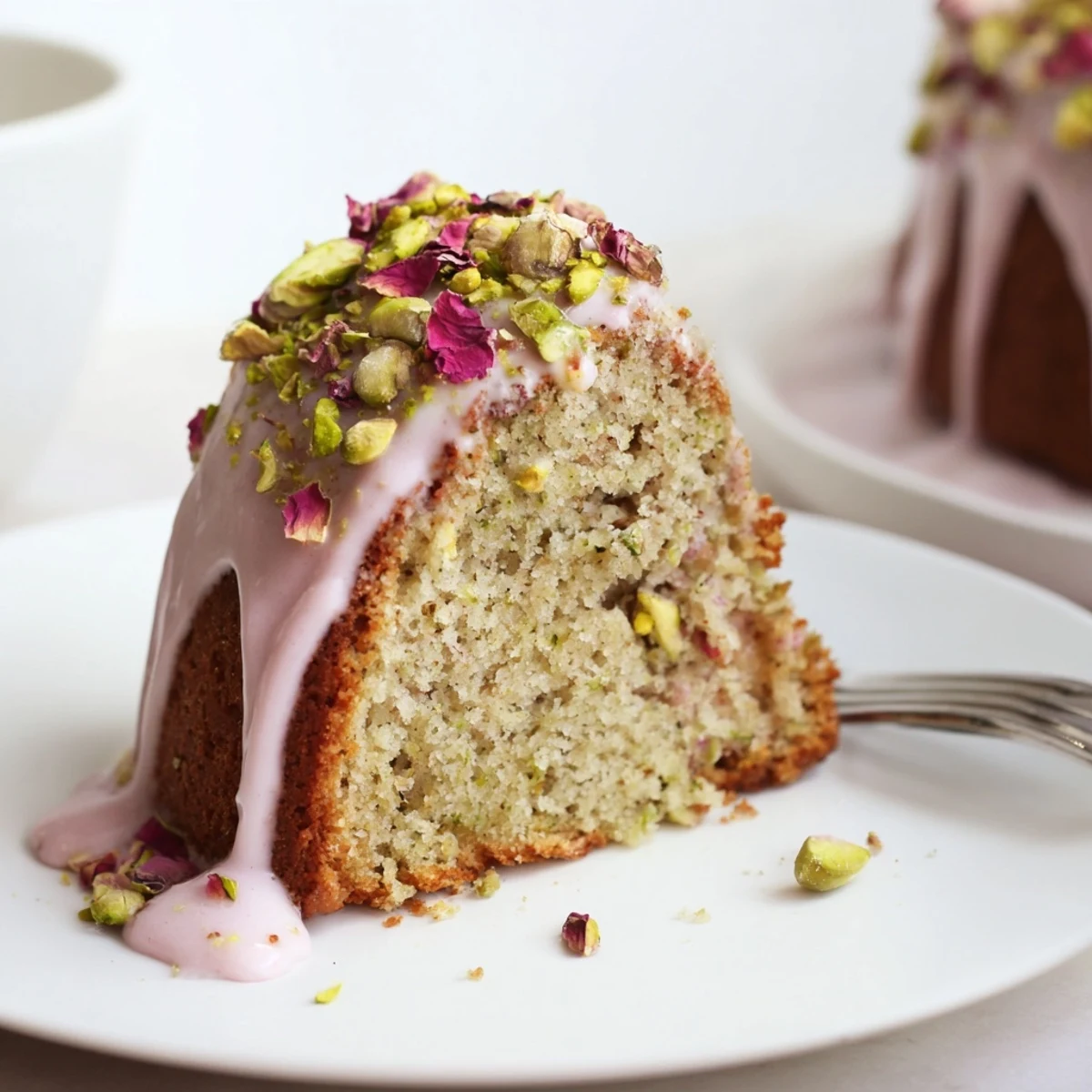
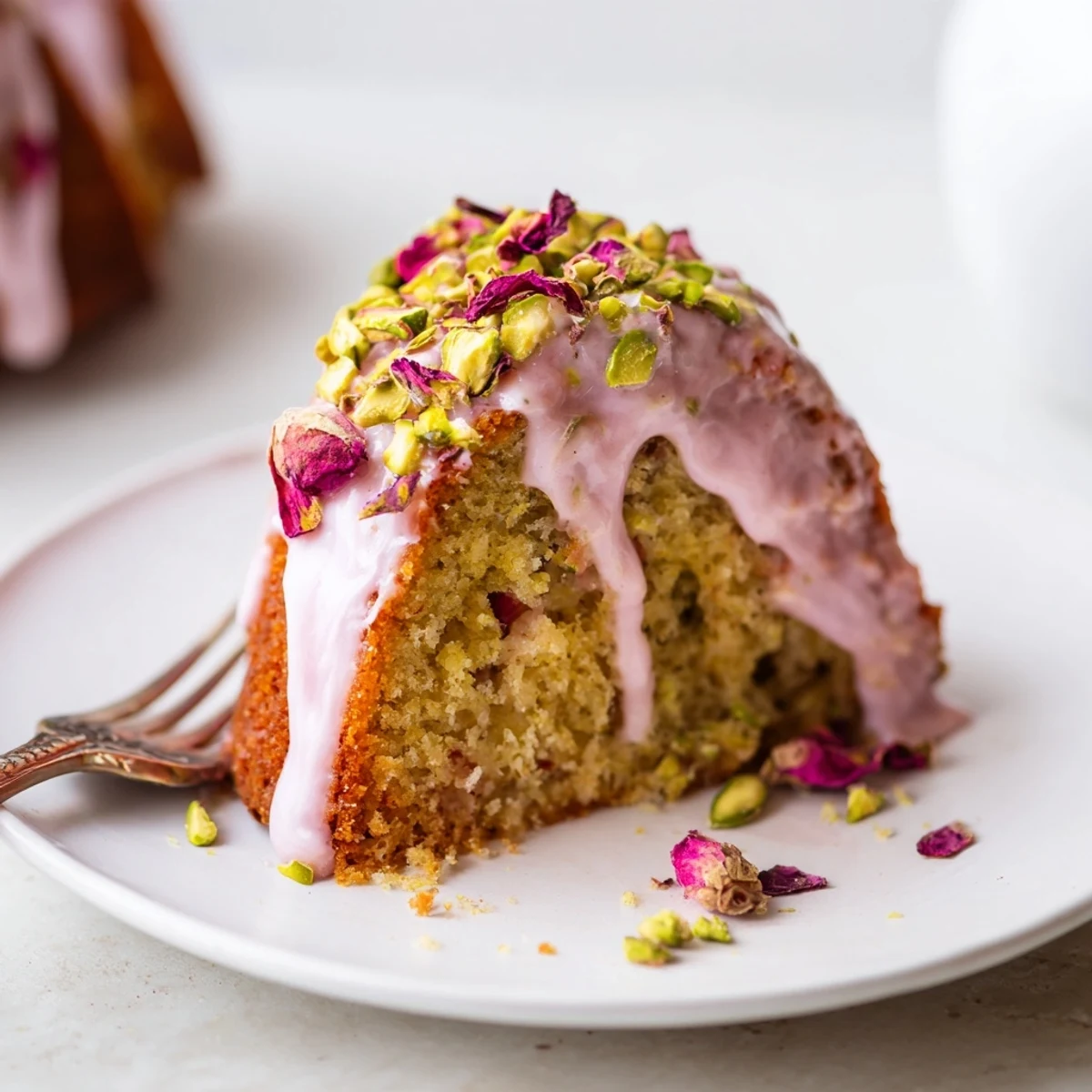
 This aromatic Persian-style cake combines ground almonds with fragrant cardamom and a hint of rosewater, creating a beautifully moist and tender crumb. The cake features a delicate balance of citrus from lemon zest and warmth from the spices, while the creamy Greek yogurt keeps it incredibly soft. Once baked and cooled, it's drizzled with a sweet rosewater icing and topped with crunchy pistachios and edible rose petals for an elegant finish. Perfect for celebrations, afternoon tea, or whenever you want to serve something truly special and memorable.
The first time I caught the scent of cardamom and rose together, I was wandering through a market where a tiny bakery had just pulled something from the oven. The combination stopped me in my tracks, floral and warm simultaneously. That memory lingered for months until I finally recreated that magic in my own kitchen. This cake captures exactly that moment of aromatic discovery.
I made this for a dinner party when I was feeling particularly ambitious and nervous about impressing some foodie friends. The moment I carried it to the table, the room went quiet. Someone actually asked if I had been hiding secret Persian grandmother training my whole life. That evening turned into a three-hour conversation about how food transports us to places we have never been.
Ingredients
- 200 g ground almonds: Almond meal creates a tender, moist crumb and adds that characteristic Persian nuttiness that wheat flour alone cannot achieve
- 100 g all-purpose flour: Just enough structure to hold everything together while still keeping the texture delicate and light
- 220 g caster sugar: Dissolves beautifully into the butter and helps create that fine, even texture
- 150 g unsalted butter: The backbone of this cake, so use good quality butter and bring it to room temperature properly
- 2 large eggs: Bind everything together and add richness, letting them come to room temperature prevents curdling later
- 125 g plain Greek yogurt: This is the secret weapon for moisture and adds a subtle tang that balances the sweetness
- 2 tsp ground cardamom: Freshly ground makes all the difference here, testing your supply before you start saves the whole cake
- 1 tsp baking powder: Just enough lift for a gentle rise without becoming too airy or dry
- 1/2 tsp salt: Amplifies all the flavors and keeps the cake from tasting flat or one-dimensional
- Zest of 1 lemon: Brightens the entire flavor profile and cuts through the richness beautifully
- 1 tbsp rosewater: The soul of the cake, but brands vary wildly in potency so taste as you go
- 100 g icing sugar: Creates a silky drizzle that adds sweetness without overwhelming the delicate flavors
- 1-2 tbsp rosewater: Adjust this based on your rosewater strength to get the right consistency
- 2 tbsp chopped pistachios: That gorgeous green color and crunch are essential for the final presentation
- 1 tbsp dried rose petals: Totally optional but makes the cake look absolutely stunning
Instructions
- Preheat and prep your pan:
- Set your oven to 170°C (340°F) and generously butter a 20 cm round cake tin, then line the bottom with parchment paper for easy release later.
- Cream butter and sugar:
- Beat the softened butter and caster sugar together until the mixture turns pale and fluffy, about 3-5 minutes, which incorporates air for a lighter texture.
- Add eggs gradually:
- Beat in the eggs one at a time, mixing thoroughly after each addition and scraping down the bowl to ensure everything combines evenly.
- Blend in yogurt and aromatics:
- Fold in the Greek yogurt, lemon zest, and rosewater until the mixture looks smooth and glossy, taking care not to overmix at this stage.
- Combine dry ingredients:
- In a separate bowl, whisk together ground almonds, flour, cardamom, baking powder, and salt until everything is evenly distributed.
- Fold gently:
- Add the dry ingredients to the wet mixture and fold with a spatula until just incorporated, being careful not to deflate the batter you have worked to aerate.
- Transfer and smooth:
- Pour the batter into your prepared tin and use an offset spatula to smooth the top, which helps the cake bake evenly.
- Bake until done:
- Bake for 40-45 minutes until the top is golden and a skewer inserted into the center comes out clean, checking a few minutes early if your oven runs hot.
- Cool patiently:
- Let the cake rest in the tin for 10 minutes before turning it out onto a wire rack to cool completely, which prevents the structure from collapsing.
- Make the icing:
- Whisk icing sugar with rosewater, starting with one tablespoon and adding more until you reach a thick but pourable consistency that drizzles beautifully.
- Finish with flourish:
- Drizzle the icing over the completely cooled cake and immediately sprinkle with chopped pistachios and rose petals before the icing sets.
 Pin It
 This recipe has become my go-to for birthdays now, always requested by name. There is something about the combination of flavors that makes people pause and savor each bite. Food that creates memories is the best kind of cooking.
Making It Yours
Once you have made this a few times, you will start sensing which ingredients you can tweak to suit your taste. Some days I increase the cardamom when I want that extra warmth, other days I dial back the rosewater for a more subtle finish. Trusting your instincts develops over time.
Pairing Suggestions
Hot mint tea is the classic accompaniment, but I have also loved this with a cup of Earl Grey when the bergamot notes play nicely with the cardamom. For dinner parties, a glass of dessert wine like Muscat complements the floral elements beautifully. Simple pairings often work best.
Storage And Make-Ahead Tips
This cake actually improves after a day or two as the flavors meld together and the moisture distributes evenly. Wrap it tightly in plastic once completely cooled and it will stay fresh at room temperature for up to three days. For longer storage, the freezer is your friend, just wrap individual slices and thaw overnight.
- Ice the cake on the day you plan to serve it for the freshest appearance
- Store leftover chopped pistachios in the freezer to prevent them from going rancid
- If freezing, do not add the icing until after thawing for the best texture
 Pin It
 Every slice of this cake feels like a small celebration of flavor and tradition. Hope it brings as much joy to your table as it has to mine.
Common Questions
- → What makes Persian love cake unique?
-
The distinctive flavor comes from the combination of ground almonds, cardamom, and rosewater. These traditional Persian ingredients create an aromatic, fragrant cake that's different from typical Western desserts. The topping of pistachios and rose petals adds both visual appeal and authentic Middle Eastern flair.
- → Can I make this cake gluten-free?
-
Yes, simply substitute the all-purpose flour with a certified gluten-free flour blend. The cake already contains ground almonds as the primary flour component, making it naturally suited to gluten-free adaptations. Always ensure your baking powder and other ingredients are certified gluten-free if needed.
- → How should I store this cake?
-
Keep the cake in an airtight container at room temperature for up to 3 days. The moisture from the yogurt and almonds helps keep it fresh. If you've already added the rosewater icing, store it in a cool place away from direct sunlight to prevent the icing from becoming too soft.
- → Can I prepare the batter ahead of time?
-
The batter is best baked immediately after preparation, as the baking powder starts working once mixed with wet ingredients. However, you can measure and prepare all your ingredients beforehand. The cake itself freezes beautifully—wrap it well without the icing and freeze for up to 3 months, then add icing after thawing.
- → What can I serve with Persian love cake?
-
Traditional accompaniments include hot mint tea or Persian chai. The cake also pairs beautifully with a dollop of unsweetened whipped cream or crème fraîche to balance the sweetness. For a special occasion, serve with a glass of dessert wine or a cup of aromatic coffee.
- → Why is my cake dense or dry?
-
Overmixing the batter can create a dense texture, so fold the dry ingredients gently until just incorporated. Dryness usually results from overbaking—start checking at 40 minutes with a skewer. The cake should feel springy to the touch. Using room-temperature ingredients also helps achieve the right consistency.
