
 Pin It
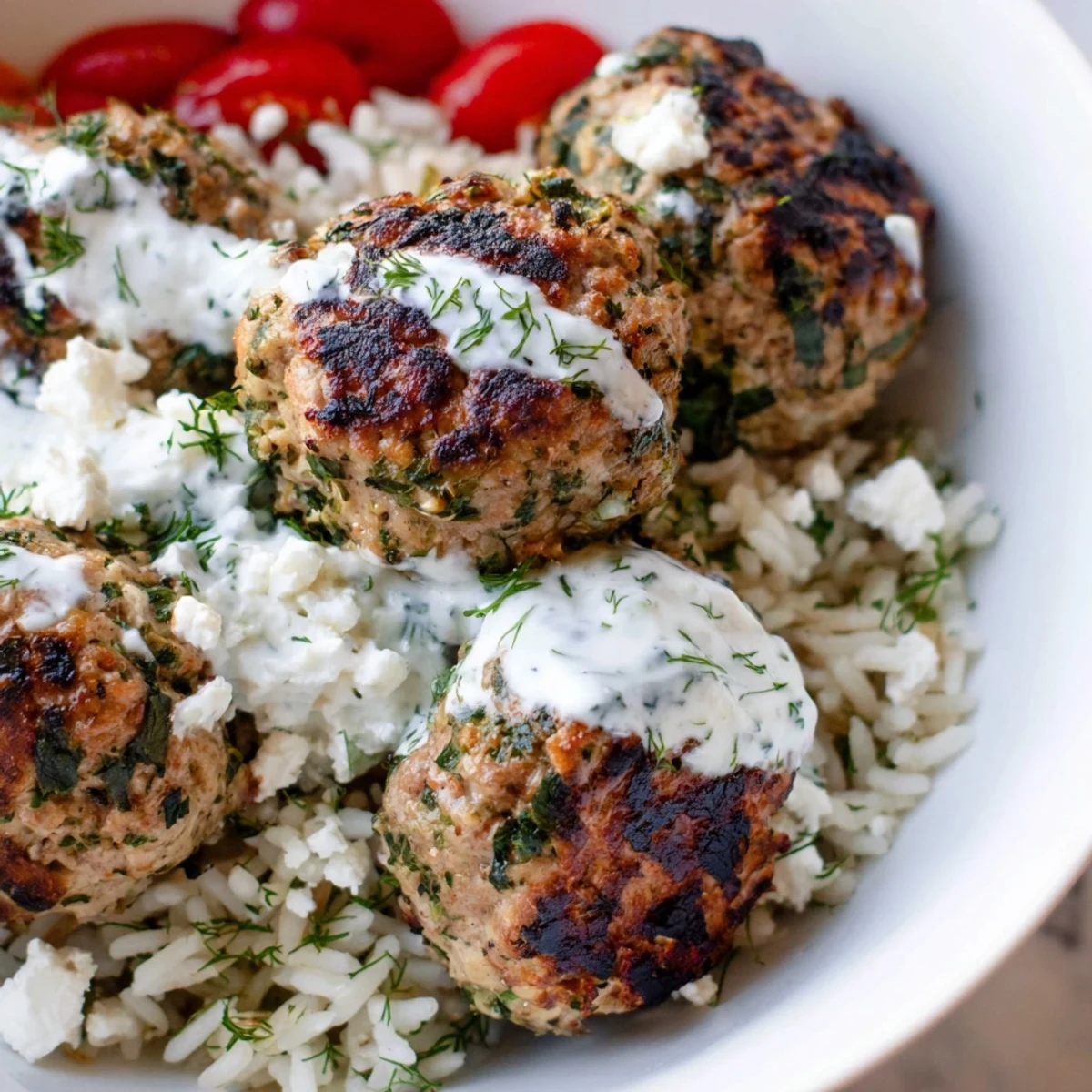
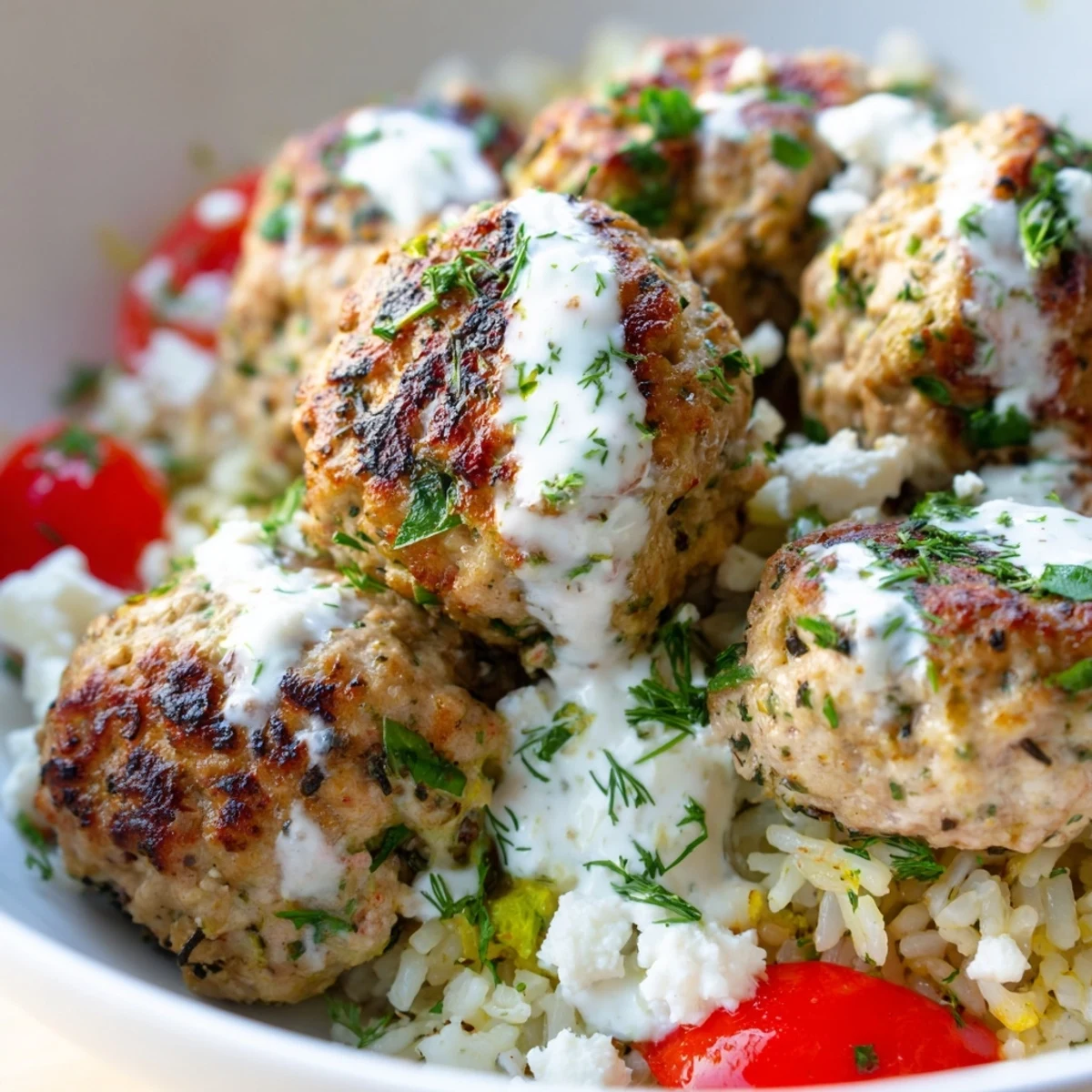
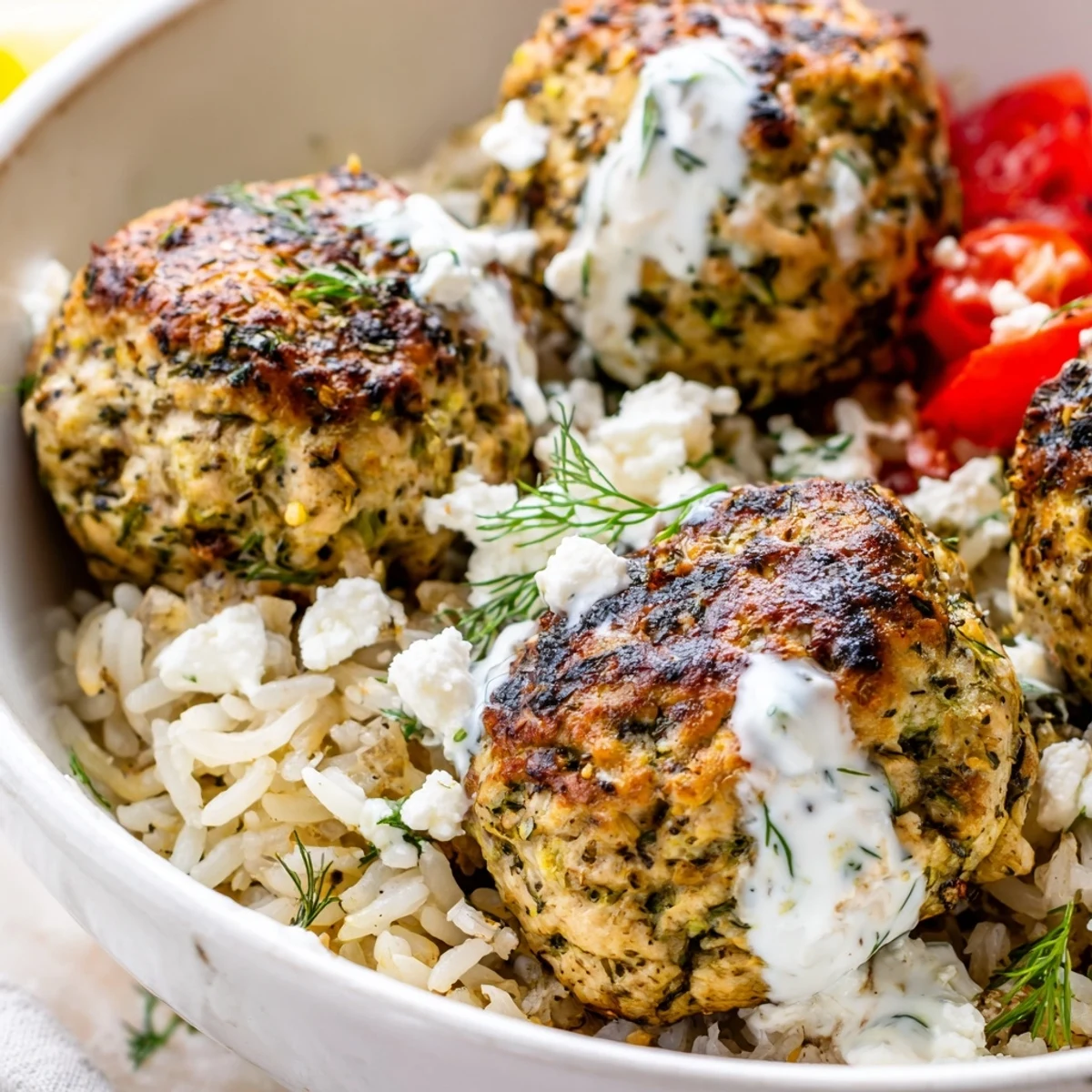
 Juicy ground turkey meatballs seasoned with fragrant za'atar spice, pan-fried until golden and cooked through. Served over a bed of fluffy herbed basmati rice with fresh parsley and dill.
Each bowl is topped with halved cherry tomatoes, diced cucumber, thinly sliced red onion, Kalamata olives, and crumbled feta cheese. A cool, tangy yogurt sauce infused with lemon, garlic, and fresh herbs ties everything together.
This Mediterranean-inspired dish comes together in just 45 minutes and feeds four. It's high in protein, packed with fresh flavors, and easily adaptable for gluten-free or dairy-free diets.
My kitchen smelled like a Lebanese hillside the evening I threw zaatar into a bowl of ground turkey out of sheer desperation, having completely run out of every spice I normally rely on for meatballs. That one reckless shake from a jar my neighbor had gifted months earlier changed the way I think about weeknight cooking forever. The earthy, herbal aroma that filled the apartment made my roommate stop mid conversation and ask what on earth I was making. Forty five minutes later we were scraping our bowls clean, barely speaking between bites.
I brought these bowls to a potluck where three people pulled me aside to ask for the recipe, and one friend now makes them every single Sunday for her weekly meal prep. There is something about the combination of warm spiced meat, cool crisp vegetables, and that tangy yogurt sauce that makes people genuinely happy to be eating at your table.
Ingredients
- Ground turkey (500 g): Lean but not too lean works best here, around 90 percent, because a little fat keeps the meatballs juicy through the searing process.
- Zaatar seasoning (2 tbsp): This is the soul of the dish, so try to find a good quality blend with visible sesame seeds and sumac rather than a dusty faded version.
- Garlic, minced (2 cloves for meatballs, 1 grated for sauce): Fresh garlic matters here, and grating the clove for the yogurt sauce gives it a silky distribution you cannot achieve with chopping alone.
- Small onion, grated (1): Grating the onion adds moisture and gentle sweetness without chunks that would break apart the meatball structure.
- Large egg (1): Acts as the binder that holds everything together with a tender hand.
- Fresh parsley, chopped (1/4 cup for meatballs, 1/4 cup for rice): Divide it as directed because each portion serves a different purpose in building freshness throughout the bowl.
- Breadcrumbs (1/3 cup): These soak up the onion juices and keep the meatballs light rather than dense.
- Salt and black pepper (1 tsp and 1/2 tsp): Seasoning generously at this stage means you will not need to overcompensate later.
- Olive oil (2 tbsp for frying, plus 1 tbsp each for rice and sauce): A good fruity olive oil ties every component together with its grassy warmth.
- Long grain rice such as basmati (1 cup): Basmati cooks into separate fluffy grains that soak up flavors without turning gummy.
- Water or chicken broth (2 cups): Broth adds a savory depth to the rice, but water works beautifully if you are keeping things simple.
- Fresh dill or mint, chopped (2 tbsp for rice, 1 tbsp for sauce): Either herb works, though dill leans Scandinavian cool and mint pushes the whole bowl toward the eastern Mediterranean.
- Cherry tomatoes, halved (1 cup): Their natural acidity cuts through the richness of the meatballs and yogurt.
- Cucumber, diced (1): English cucumbers are ideal because you avoid the watery seed cavity.
- Red onion, thinly sliced (1/2): A sharp contrast that brings bite and beautiful purple color to the finished bowl.
- Kalamata olives, pitted and sliced (1/3 cup): Their briny intensity is worth the extra effort of slicing.
- Feta cheese, crumbled (50 g, optional): Optional in name only, because that salty creamy crumble pulls every flavor together.
- Lemon wedges: A final squeeze over the whole bowl just before eating brightens everything dramatically.
- Greek yogurt (1 cup): Full fat yogurt makes a sauce worth eating on its own with a spoon.
- Lemon juice (1 tbsp for sauce): Balance and brightness in equal measure.
Instructions
- Rinse and toast the rice:
- Wash the basmati under cold running water until it runs completely clear, then toast it in a tablespoon of olive oil for about a minute until the grains smell faintly nutty and each one is lightly coated. This small step prevents mushiness and gives the rice a subtle depth that plain boiled rice never achieves.
- Cook the herbed rice:
- Pour in the water or broth with half a teaspoon of salt, bring it to a rolling boil, then drop the heat to low, clamp on the lid, and let it steam undisturbed for 12 to 15 minutes. Remove it from the heat, fluff gently with a fork, and fold in the chopped parsley and dill or mint while the rice is still warm so the herbs release their fragrance.
- mix and shape the meatballs:
- In a large bowl, combine the ground turkey, zaatar, minced garlic, grated onion, egg, parsley, breadcrumbs, salt, and pepper, mixing with your hands just until everything is evenly distributed without squishing the life out of the meat. Shape the mixture into 16 to 20 walnut sized balls, rolling them gently between your palms and setting them on a plate or sheet pan.
- Sear the meatballs:
- Heat two tablespoons of olive oil in a large skillet over medium heat and fry the meatballs in batches so they have room to brown properly, turning them every couple of minutes until all sides are deeply golden and the internal temperature reaches 74 degrees Celsius. Transfer each batch to a clean plate and tent loosely with foil to keep them warm while you finish the rest.
- Whisk the yogurt sauce:
- In a small bowl, stir together the Greek yogurt, olive oil, lemon juice, grated garlic, chopped herb, salt, and pepper until completely smooth, then taste and adjust the seasoning because the garlic intensity will mellow as it sits.
- Build each bowl:
- Scoop a generous portion of warm herbed rice into each of four bowls, arrange the meatballs on top, and scatter the cherry tomatoes, cucumber, red onion, olives, and crumbled feta around them in colorful clusters. Finish with a generous drizzle of yogurt sauce and hand everyone a lemon wedge to squeeze over the top right before eating.
 Pin It
 One Tuesday night my partner walked in late from work, dropped their bag by the door, and sat down to one of these bowls without saying a word. Halfway through they looked up and said quietly that this was the kind of food that makes a house feel like home.
Making It Your Own
Ground chicken or lamb swap in seamlessly for the turkey, and each brings its own personality: chicken stays mild and lets the zaatar shine, while lamb adds a richness that turns the whole bowl into something closer to holiday fare. For a gluten free version, pulse rolled oats or cooked quinoa in a food processor until they resemble coarse crumbs and use them in place of breadcrumbs. A handful of baby spinach or chopped romaine tucked underneath the rice adds crunch and turns this into an even more substantial meal.
What to Serve Alongside
Warm pita bread torn into rough pieces belongs on the table with this, both for scooping up yogurt sauce and for catching every last grain of rice. A glass of Sauvignon Blanc or a chilled dry rose makes the herbs sing and the olives taste even more briny and wonderful. In colder months I have served this with a simple roasted carrot soup on the side, and the combination felt like the kind of meal you plan a whole evening around.
Storage and Reheating Wisdom
Keep the components separate in the refrigerator and the meatballs will stay tender for up to three days, while a fully assembled bowl tends to get soggy by the second day. The yogurt sauce thickens as it chills, so stir in a tiny splash of water or lemon juice when you pull it from the fridge to bring back its drizzling consistency. Reheat the meatballs gently in a covered skillet with a tablespoon of water so they steam back to warmth without drying out. Cooked rice freezes surprisingly well in airtight containers for up to a month, making this recipe an excellent candidate for batch cooking.
- Always let the meatballs rest for five minutes after cooking so the juices redistribute rather than running out when you cut into them.
- Assemble the bowls right before serving to keep the vegetables crisp and the rice warm.
- Remember that zaatar potency varies wildly between brands, so taste yours on your fingertip before deciding whether to use the full amount.
 Pin It
 Share these bowls with someone who appreciates how a simple spice blend can turn an ordinary weeknight into something worth remembering. The recipe is already waiting to become part of your own kitchen story.
Common Questions
- → Can I use a different ground meat instead of turkey?
-
Yes, ground chicken or lamb work well as substitutes. Chicken will produce a similarly lean meatball, while lamb adds a richer, more robust flavor that pairs beautifully with za'atar.
- → What exactly is za'atar seasoning?
-
Za'atar is a Middle Eastern spice blend typically made from dried thyme, sumac, sesame seeds, and salt. It has an earthy, tangy, and slightly nutty flavor profile. You can find it in most grocery stores or specialty spice shops.
- → How do I keep the turkey meatballs from drying out?
-
Use a gentle hand when mixing the meatball mixture — overworking the meat can make them tough. The grated onion and egg help retain moisture. Also, avoid overcooking; pull them from the skillet once they reach an internal temperature of 74°C (165°F).
- → Can I make the yogurt sauce ahead of time?
-
Absolutely. The yogurt sauce can be prepared up to 3 days in advance and stored in an airtight container in the refrigerator. The garlic flavor will intensify over time, so you may want to use slightly less if making it far ahead.
- → Is this dish gluten-free?
-
The meatballs contain breadcrumbs, but you can easily make the entire dish gluten-free by substituting gluten-free breadcrumbs or an equal amount of cooked quinoa in the meatball mixture. Check all other product labels as well.
- → What can I substitute for feta cheese?
-
Crumbled goat cheese works as a tangy alternative. For a dairy-free option, omit the cheese entirely or use a plant-based feta-style crumble. A sprinkle of za'atar and a squeeze of lemon can add the salty, bright notes you'd otherwise get from feta.
