
 Pin It
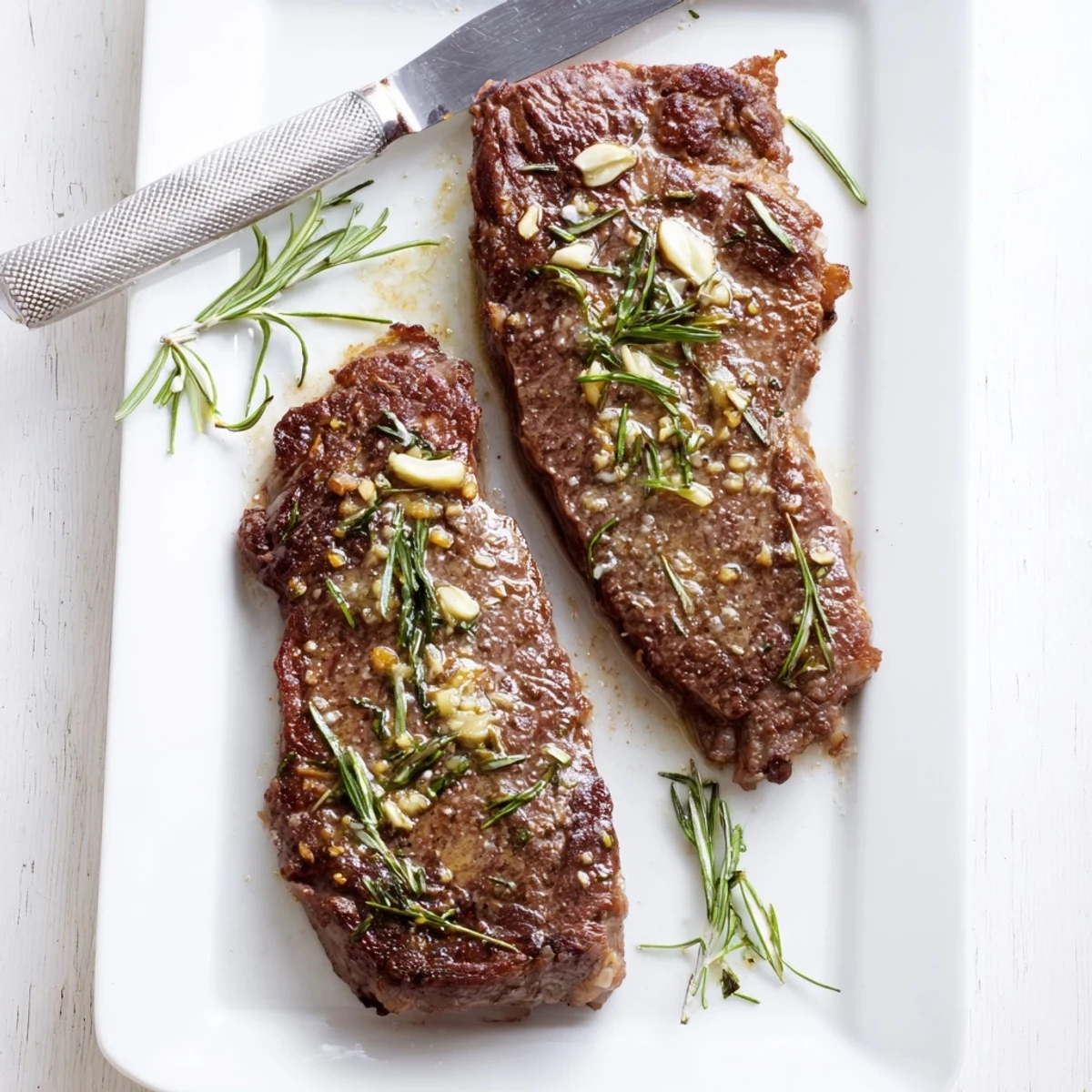
 Elevate your dinner with this classic pan-seared steak technique. The ribeye develops a rich brown crust in a hot skillet, then gets basted continuously with melted butter infused with minced garlic and fresh rosemary. This basting method ensures the steak stays incredibly juicy while absorbing all those aromatic flavors.
The process takes just 25 minutes from start to finish—perfect for weeknight dinners yet impressive enough for entertaining. Let your steaks come to room temperature before seasoning generously and searing in a cast iron skillet. The key is maintaining high heat initially for that perfect crust, then reducing to medium while basting with the flavored butter.
The sizzle of steak hitting a screaming hot cast iron pan is one of those sounds that makes everyone in the house suddenly appear in the kitchen doorway, pretending they just happened to walk by. My neighbor Dave once followed the smell over from his garage three houses down, holding a bottle of wine and looking almost apologetic about his obvious timing. Garlic butter basting was a trick I picked up from a line cook at a steakhouse who told me the secret wasnt the cut, but how much love you spooned over it while it cooked.
I made this for my anniversary dinner during a year when going out felt too complicated, and my partner looked at me across the candlelit kitchen table like I had been holding out on them for years.
Ingredients
- 2 ribeye steaks (about 1 inch thick, 250g each): Ribeye has the marbling that keeps everything juicy and forgiving, even if you slightly overshoot your target doneness.
- 3 tablespoons unsalted butter: Unsalted lets you control the seasoning, and you need enough to create a proper pool for basting without it burning off too fast.
- 1 tablespoon olive oil: This raises the smoke point so you get a hard sear before the butter even enters the picture.
- 4 garlic cloves, finely minced: Fresh is nonnegotiable here, and mincing it fine releases more of the oils into the butter as it foams.
- 2 sprigs fresh rosemary (or thyme): The woody stems hold up to high heat and perfume the butter in a way dried herbs simply cannot manage.
- Salt and freshly ground black pepper: Generous seasoning on both sides creates the foundation for that beautiful brown crust.
Instructions
- Let the steaks breathe:
- Pull the steaks from the fridge about twenty minutes before cooking and pat them completely dry with paper towels, because moisture is the enemy of a good sear.
- Season with conviction:
- Sprinkle salt and pepper generously on both sides, pressing it in gently with your hands so it adheres rather than falling off in the pan.
- Get the pan ripping hot:
- Heat olive oil in a heavy cast iron skillet over high heat until you see the first wisps of smoke, which tells you the pan is ready to reward you with a serious crust.
- Sear without fidgeting:
- Lay the steaks in and do not touch them for two to three minutes per side, letting the maillard reaction do its work without you interfering.
- Build the butter bath:
- Drop the heat to medium, add the butter, garlic, and rosemary, and let the butter melt into a golden foaming pool that smells impossibly good.
- Baste like you mean it:
- Tilt the pan slightly and use a large spoon to scoop the bubbling garlic butter over the steaks repeatedly for two to three minutes, spooning the flavored fat over every surface until a thermometer reads 130 degrees fahrenheit for medium rare.
- Rest before slicing:
- Transfer the steaks to a warm plate and let them sit undisturbed for five full minutes so the juices redistribute instead of spilling out onto the cutting board.
 Pin It
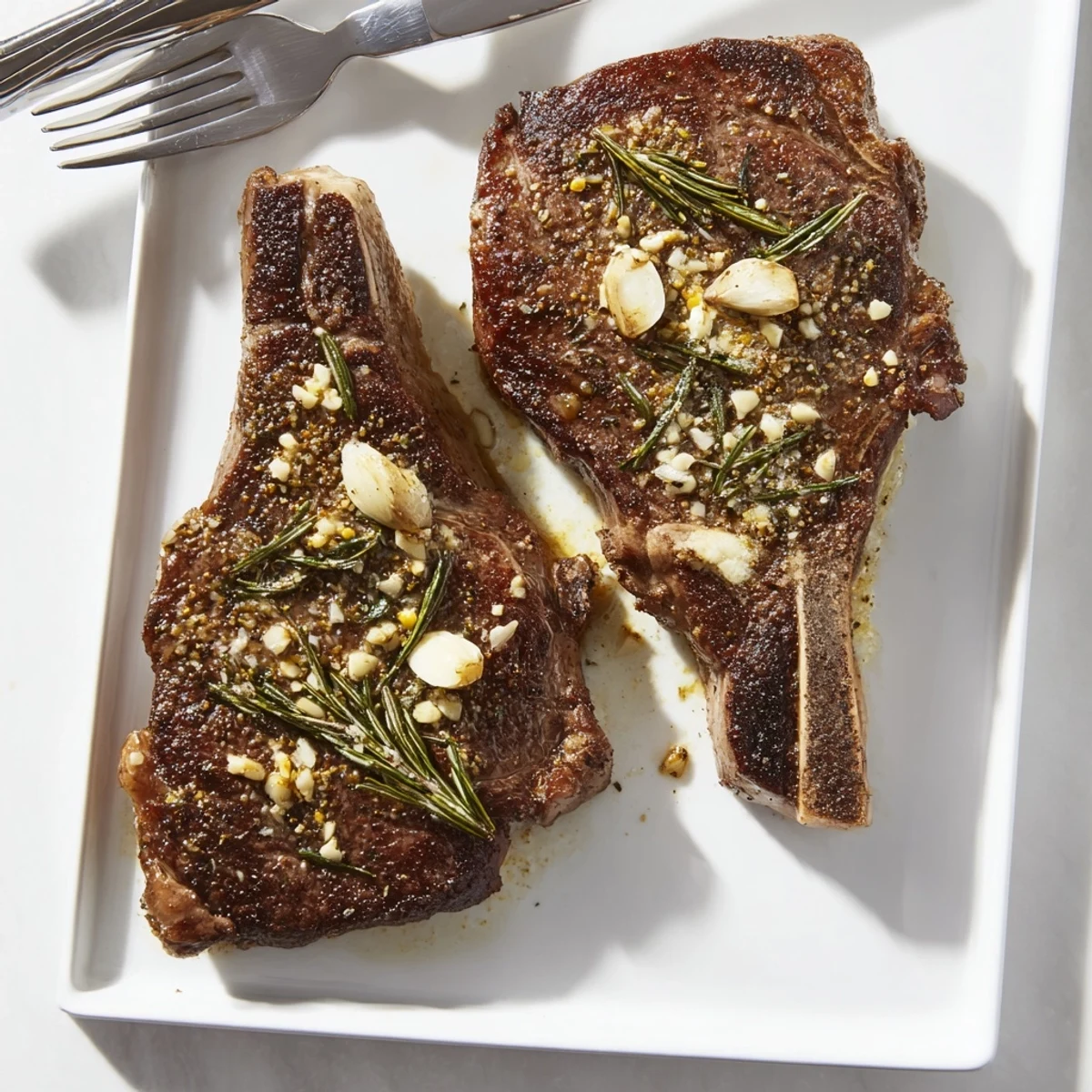
 Slicing into that first steak and watching the pink center open up while garlic butter still gleams on the surface is the kind of kitchen moment that makes you feel genuinely accomplished.
What to Serve Alongside
Roasted potatoes with rosemary are the obvious move, but a crisp green salad with a sharp vinaigrette cuts through the richness in a way that makes the whole plate sing together.
Wine Pairing Thoughts
A bold Cabernet Sauvignon or Malbec stands up to the garlic butter beautifully, and tannins help cleanse the palate between buttery, savory bites of ribeye.
A Few Last Kitchen Notes
Cast iron is the gold standard here because it holds and distributes heat in a way that gives you an even, aggressive sear across the entire surface of the steak. A meat thermometer removes all the guesswork and is honestly worth the small investment if you cook steak even occasionally.
- A splash of lemon juice at the very end brightens everything without tasting acidic.
- Finishing flaky sea salt on top of the sliced steak adds texture and a little burst of salinity.
- Always check butter labels if dairy allergies are a concern, as some contain unexpected traces of other allergens.
 Pin It
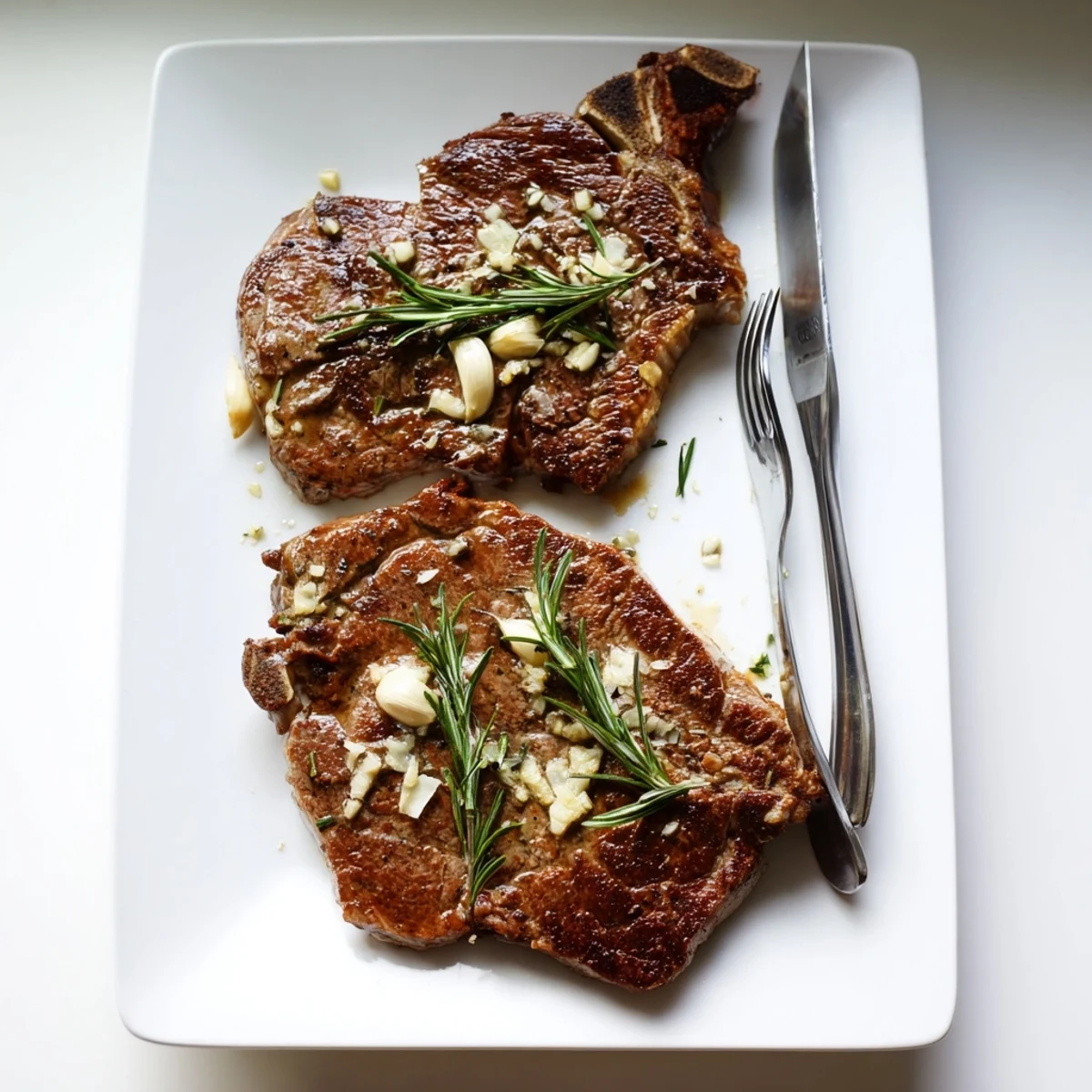
 Once you master this technique, you will find yourself making it on weeknights, for guests, and honestly any time you need a dinner that feels like a celebration without requiring one.
Common Questions
- → What cut of steak works best for garlic butter preparation?
-
Ribeye is ideal due to its marbling and rich flavor, but other cuts like New York strip, filet mignon, or sirloin also work beautifully with this basting technique.
- → How do I know when the steak is done?
-
Use a meat thermometer for accuracy—130°F (54°C) for medium-rare, 135°F (57°C) for medium. Alternatively, the touch test works: medium-rare feels like the fleshy part of your palm when thumb and index finger touch.
- → Why rest the steak after cooking?
-
Resting allows juices to redistribute throughout the meat. Cutting immediately releases flavorful juices onto the plate, while a 5-minute rest ensures every bite remains tender and moist.
- → Can I use dried herbs instead of fresh rosemary?
-
Fresh rosemary provides superior aroma and flavor, but dried herbs work in a pinch. Use about one-third the amount if substituting dried for fresh to avoid overwhelming the delicate garlic butter.
- → What's the purpose of basting with butter?
-
Basting creates continuous flavor infusion while helping the steak cook evenly. The butter carries garlic and herb flavors deep into the meat's surface while keeping it exceptionally moist.
- → Can I make this dairy-free?
-
Substitute the butter with olive oil or avocado oil for basting. While you'll lose the creamy butter flavor, the garlic and herbs still infuse beautifully into the steak's seared crust.
