
 Pin It
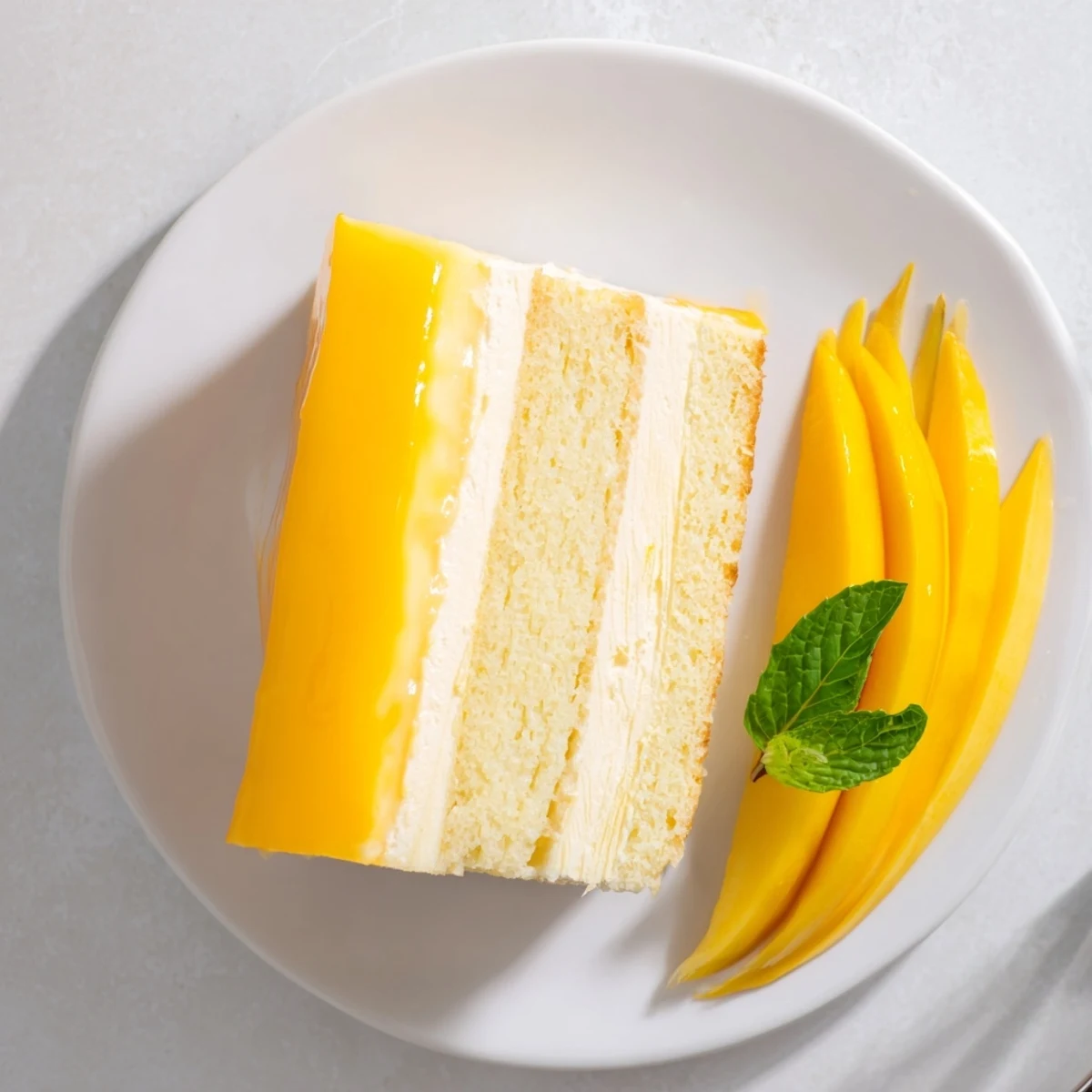
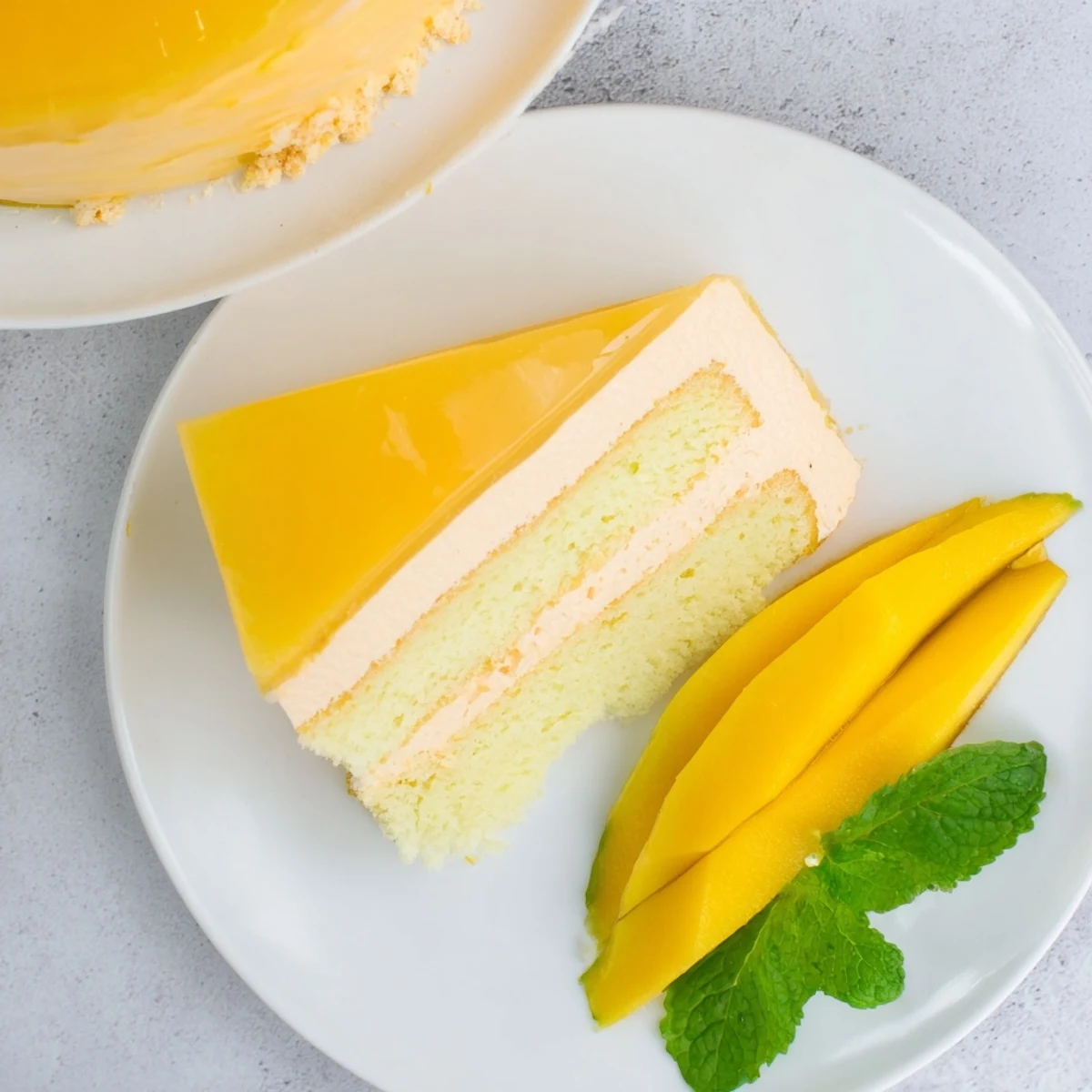
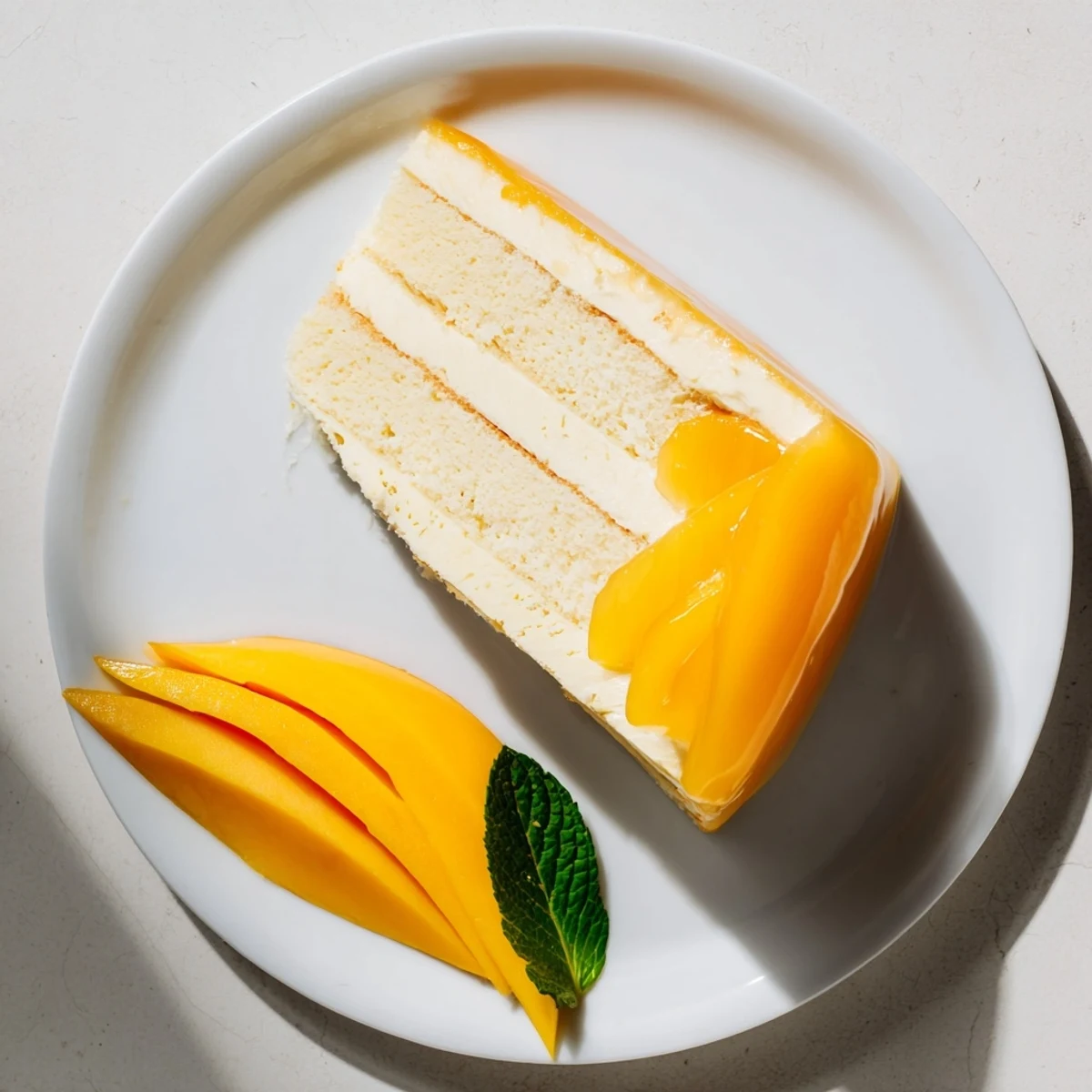
 This elegant mango mousse cake features three delightful layers: a tender vanilla sponge base, fluffy mango mousse made with fresh ripe mangoes and whipped cream, and a glossy mango glaze that adds beautiful shine and extra fruit flavor. The mousse achieves its airy texture through whipped heavy cream folded into mango puree sweetened with sugar and brightened with lemon juice. A perfect make-ahead dessert for summer gatherings, this cake requires chilling time to set properly but rewards with restaurant-quality presentation and tropical flavor. The combination of creamy mousse, delicate sponge, and fruit-forward glaze creates an impressive dessert that balances sweetness with natural mango tang.
Last July, my sister's wedding anniversary landed on the hottest day of the year. We debated everything from ice cream to fruit tarts, but something about mango mousse cake just clicked—cool, elegant, and impossibly creamy without being heavy.
I made three practice rounds before the anniversary dinner. The first time my gelatin seized, the second time I overwhipped the cream, but by the third attempt, I learned that gentle folding and room-temperature ingredients are the secret to that silky consistency.
Ingredients
- 3 large eggs: Room temperature eggs whip up higher and incorporate air better, creating a lighter sponge base that won't collapse under the mousse weight
- 90 g granulated sugar: Divided use, half for sweetening the sponge and half for the mousse layers
- 90 g all-purpose flour: Sift it twice to avoid lumps and ensure a tender crumb
- 1/2 tsp vanilla extract: Pure extract makes a noticeable difference in the sponge's fragrance
- Pinch of salt: Enhances the mango's natural sweetness without tasting salty
- 400 g ripe mango flesh: About 2 large mangoes, pureed until silky smooth—frozen works in a pinch if thawed and drained well
- 60 g granulated sugar: Adjust slightly depending on mango sweetness
- 2 tbsp lemon juice: Brightens the mango flavor and helps balance sweetness
- 1 tbsp unflavored gelatin powder: Essential for setting the mousse properly without making it rubbery
- 300 ml heavy cream: Cold cream whips to stable peaks that fold beautifully into the mango mixture
- 150 g mango puree: For the mirror glaze that makes this cake show-stopping
- 1 tbsp lemon juice: Cuts through the glaze's sweetness
- 1 tbsp granulated sugar: Helps create that glossy finish
- 1.5 tsp unflavored gelatin powder: The right amount for a glaze that sets but still shimmers
- Fresh mango slices and mint leaves: Optional but makes serving feel extra special
Instructions
- Bake the Foundation:
- Preheat your oven to 180°C (350°F) and line a 23 cm (9-inch) springform pan with parchment paper. Whip eggs and sugar until they're pale and tripled in volume—this takes about 5 minutes and is crucial for a light sponge. Gently fold in the sifted flour, salt, and vanilla just until combined, then pour into your prepared pan and bake for 12-15 minutes until a toothpick comes out clean. Let it cool completely right in the pan.
- Prepare the Mousse Magic:
- Sprinkle your gelatin over 3 tbsp cold water and let it bloom for 5 minutes while you blend the mango puree, sugar, and lemon juice until smooth. Gently heat the bloomed gelatin until dissolved, then stir it into the mango mixture. Whip your cold cream to soft peaks and fold it into the mango base with a rubber spatula, using gentle motions to keep all that air you just whipped in.
- Layer and Chill:
- Pour the mousse over your cooled sponge base, smoothing the top with an offset spatula. Refrigerate for at least 2 hours until completely set—this patience step pays off in clean slices later.
- Create the Glossy Glaze:
- Bloom the glaze gelatin in 2 tbsp cold water, then heat until dissolved. Mix mango puree, lemon juice, and sugar before stirring in the gelatin. Let this cool to room temperature, then pour it over your set mousse layer in one confident motion.
- Final Chill and Serve:
- Refrigerate for 2 more hours until the glaze is firm and set. Run a warm knife around the pan edge, release the springform, and decorate with fresh mango slices and mint if you're feeling fancy.
 Pin It
 That anniversary dinner became one of those meals where people kept asking about dessert before they'd even finished their mains. My sister's husband confessed he'd never liked mango anything until that night.
Mastering the Sponge Base
The trick to a sponge that supports all that creamy mousse is proper whipping and gentle folding. Overmixing once flour hits the eggs deflates the air bubbles you worked so hard to incorporate. I've learned to stop folding the moment I see the last streak of flour disappear.
Getting That Mirror Glaze Right
A perfect glaze should reflect light like glass. If yours looks dull, the glaze was probably too cold when poured, or the gelatin wasn't fully dissolved. A quick reheat and strain through a fine mesh usually saves the situation.
Making It Ahead
This cake actually improves after 24 hours in the refrigerator as the flavors meld together and the texture becomes even more luxurious. Just keep it well-covered to prevent absorbing fridge odors.
- Wrap the springform pan tightly with plastic wrap once the mousse layer is set
- Add the glaze the day of serving for the freshest appearance
- Let the cake sit at room temperature for 10 minutes before slicing
 Pin It
 There's something deeply satisfying about serving a dessert that looks this elegant and knowing it came from your own kitchen. Summer's too short not to eat mango mousse cake.
Common Questions
- → Can I use frozen mango instead of fresh?
-
Yes, high-quality frozen mango chunks work perfectly. Thaw completely and drain excess liquid before pureeing to maintain proper consistency in both mousse and glaze layers.
- → How long does this mango mousse cake need to chill?
-
The mousse layer requires at least 2 hours to set, and the glaze needs an additional 2 hours. For best results, chill overnight to ensure all layers are firm and slice cleanly.
- → Can I make this cake gluten-free?
-
Absolutely. Simply substitute the all-purpose flour in the sponge base with a high-quality gluten-free flour blend. The texture remains excellent and nobody will notice the difference.
- → How should I store leftovers?
-
Keep refrigerated in an airtight container or cover the springform pan with plastic wrap. The cake stays fresh for 3-4 days. The texture may soften slightly but remains delicious.
- → Can I substitute gelatin sheets for powder?
-
Yes, use 3 gelatin sheets for the mousse and 1.5 sheets for the glaze. Bloom sheets in cold water for 5-10 minutes, then gently heat until dissolved before incorporating into the mixtures.
- → What wine pairs well with this dessert?
-
Moscato d'Asti or sparkling wine complement the tropical sweetness beautifully. The light effervescence and subtle sweetness balance the creamy mousse and bright mango flavors.
