
 Pin It
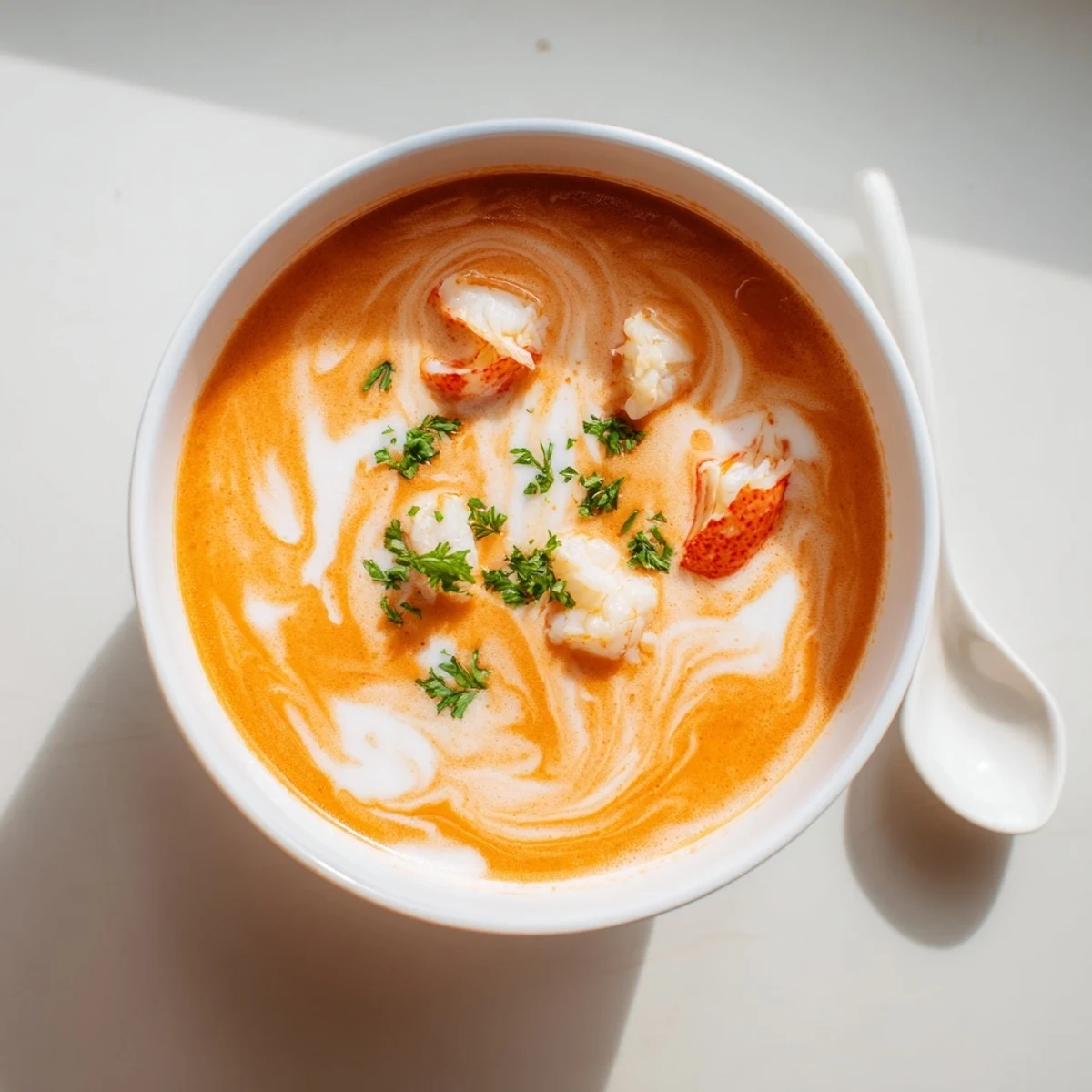
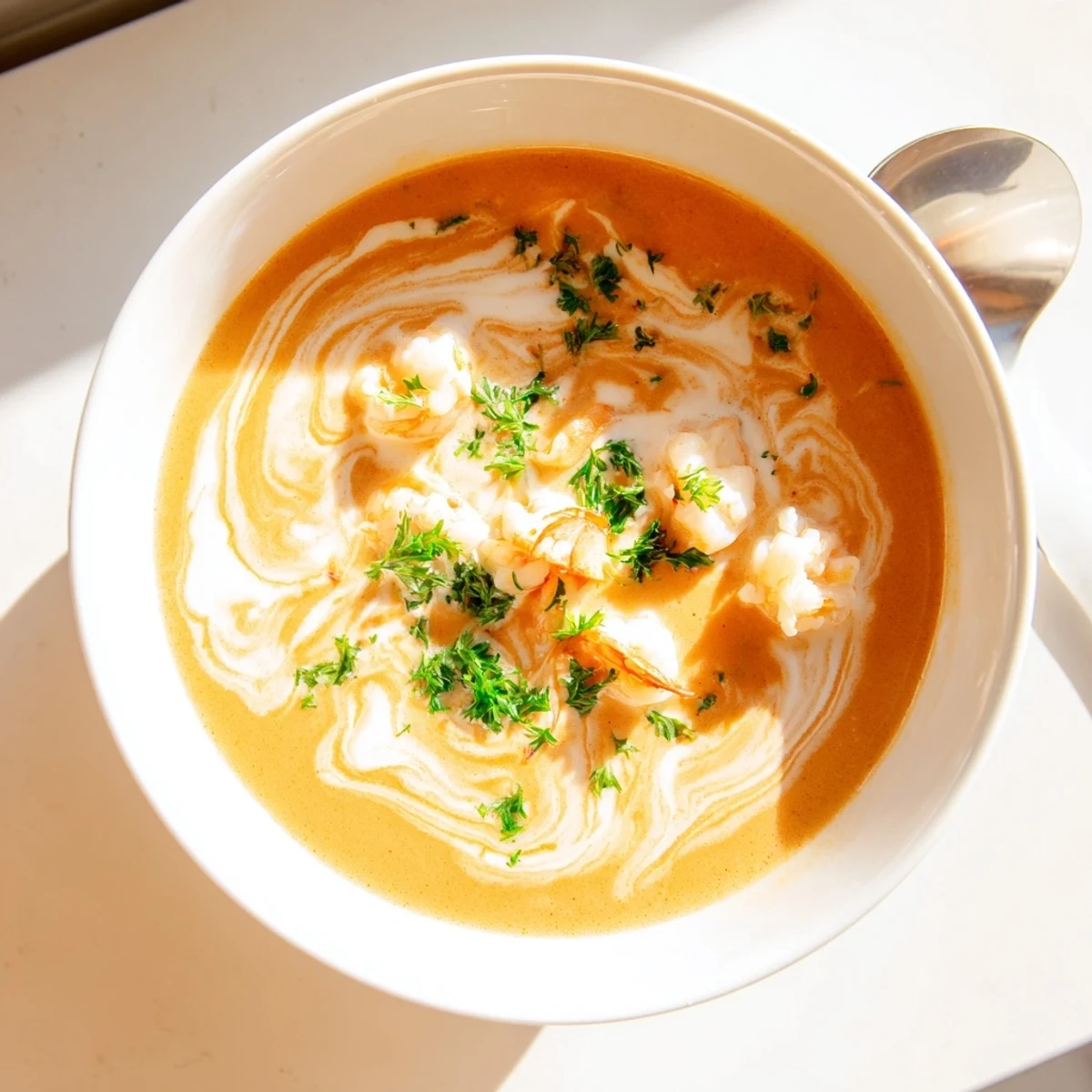
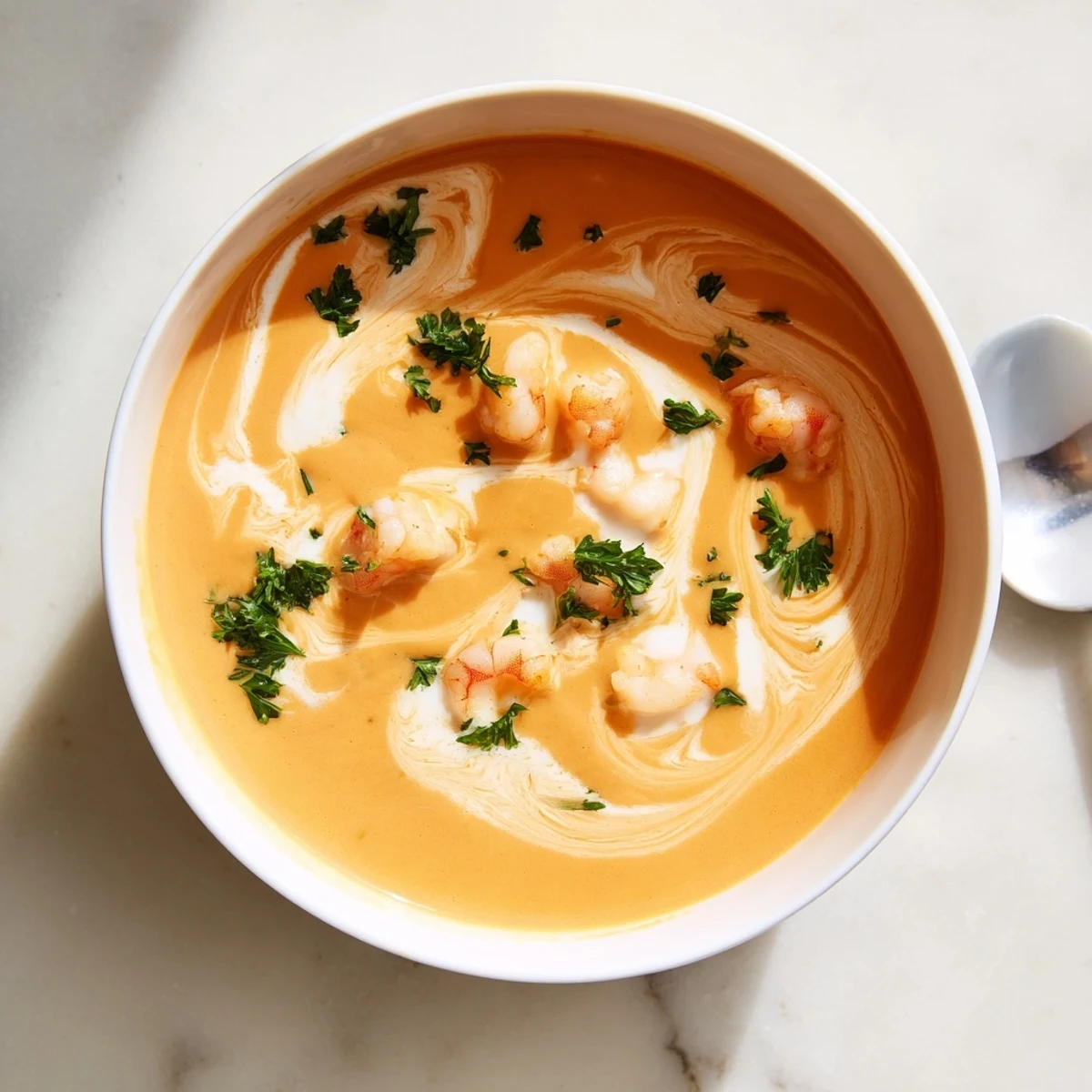
 This luxurious French bisque delivers an incredibly smooth, velvety texture that coats the palate with sweet prawn and lobster essence. The key lies in extracting maximum flavor from the shells through slow simmering, then enriching the strained broth with heavy cream and a touch of brandy. The result is an elegant, deeply flavorful soup perfect for special occasions or dinner parties. Serve garnished with fresh parsley and pair alongside crusty bread or a crisp white wine like Chardonnay.
The first time I attempted a proper French bisque, I stood over my stove for nearly three hours, convinced I was doing something wrong because the house smelled overwhelmingly of shellfish. My roommate wandered into the kitchen, nose wrinkled, asking if something was burning. That rich, almost aggressive aroma is actually exactly what you want—the shells releasing all their sweet ocean essence into the fat. Now when that smell fills my kitchen, I know we are in for something extraordinary.
I made this for my fathers birthday last winter, watching him dip his spoon into that coral colored bowl with the sort of reverence usually reserved for religious artifacts. He is a man who generally believes food is fuel, not experience, but he went silent after the first taste, eyes closed, letting out a small appreciative noise. Later he admitted it was the best thing I had ever cooked him, which is saying something considering I have been feeding him for thirty years.
Ingredients
- 200 g raw prawns with shells reserved: The shells are where all the flavor lives, so please do not discard them or you will miss the entire point
- 1 small lobster about 400 g cooked: Using cooked meat means it stays tender in the final soup, but those shells still go into the stock pot
- 1 medium onion chopped: Sweet onions work beautifully here, adding depth without sharpness
- 1 medium carrot chopped: Provides natural sweetness that balances the briny shellfish notes
- 1 celery stalk chopped: Essential aromatic backbone even if you are not a celery fan in general
- 2 cloves garlic minced: Adds aromatic warmth without overpowering delicate seafood flavors
- 2 tbsp tomato paste: Creates that gorgeous sunset hue and adds umami depth
- 2 tbsp fresh parsley chopped: Bright freshness to cut through all that richness
- 1 bay leaf: Classic French aromatic that adds subtle herbal complexity
- 1 sprig fresh thyme: Earthy notes that pair perfectly with shellfish
- 150 ml dry white wine: Acid cuts the cream and enhances sweetness of the seafood
- 1 L fish or seafood stock: Homemade is ideal but a good quality store bought works perfectly fine
- 150 ml heavy cream: Do not substitute here—cream provides the luxurious velvety texture
- 2 tbsp brandy or cognac: The secret ingredient that makes it taste like it came from a restaurant kitchen
- 2 tbsp olive oil: For sautéing shells and building your flavor base
- 1 tbsp unsalted butter: Adds richness and helps extract flavor from the shells
- Salt and freshly ground black pepper: Season generously but taste first as seafood can be naturally salty
- Pinch cayenne pepper optional: Just enough warmth to wake up the palate without adding actual heat
Instructions
- Build your flavor foundation:
- Heat olive oil and butter in a large pot over medium heat until the butter foams slightly, then add your prawn and lobster shells. Sauté them for 5 to 7 minutes, stirring occasionally, until they turn a deep coral red and the kitchen fills with that intense seafood aroma—this is where all the magic begins.
- Add aromatic vegetables:
- Toss in onion, carrot, celery, and garlic, cooking for another 5 minutes until the vegetables soften and become fragrant. Stir occasionally to prevent anything from browning too quickly.
- Develop color and depth:
- Stir in tomato paste, bay leaf, and thyme, cooking for about 1 minute until the tomato paste darkens slightly and becomes very fragrant. This step removes the raw metallic taste of canned tomato paste.
- Deglaze the pot:
- Pour in brandy and white wine, using your spoon to scrape up any browned bits stuck to the bottom of the pot. Let it simmer for 2 minutes until most of the alcohol has evaporated.
- Simmer the stock:
- Add seafood stock and bring everything to a boil, then reduce heat and simmer uncovered for 25 to 30 minutes. The liquid should reduce slightly and become deeply flavored.
- Strain carefully:
- Pour the mixture through a fine mesh sieve into a clean pot, pressing firmly on the solids with the back of a spoon to extract every drop of flavorful liquid. Discard the shells and vegetables—they have given everything they have to offer.
- Cook the seafood:
- Return strained broth to medium-low heat and add prawn and lobster meat. Simmer gently for just 4 to 5 minutes until the seafood is barely cooked through.
- Add cream and finish:
- Stir in heavy cream and chopped parsley, seasoning with salt, pepper, and cayenne to taste. Heat through without boiling—boiling can cause the cream to separate.
- Optional smooth texture:
- For an ultra silky bisque, use an immersion blender to briefly puree about half the soup, incorporating some prawn pieces for texture. Serve hot, garnished with additional parsley.
 Pin It
 Last Valentine's Day, I served this in small espresso cups as a starter, watching my husband close his eyes after the first sip. He set the cup down with exaggerated care and asked if I had been hiding culinary training all these years. The fact that it came together in little over an hour remains our kitchen secret.
Making It Your Own
While this classic French preparation is gorgeous as written, you can absolutely swap crayfish or crab for the lobster depending on what looks fresh at your market. The shellfish stock becomes a canvas for whatever sweet seafood you have available, and the technique remains exactly the same.
The Roasting Secret
For an even deeper, more concentrated flavor, spread your shells on a baking sheet and roast them at 200°C for about 10 minutes before starting the soup. This step caramelizes the natural sugars in the shells and intensifies that characteristic bisque flavor.
Perfect Wine Pairings
The richness of this soup calls for something crisp and acidic to cut through the cream. A chilled Chardonnay with good acidity works beautifully, or try a Sancerre for something with mineral notes that echo the seafood. The wine should be cold enough to create a lovely contrast with the hot soup.
- Avoid oaky wines that will compete with the delicate shellfish flavors
- Serve wine well chilled for the best temperature contrast
- Consider the same wine you used in the recipe for a seamless pairing
 Pin It
 There is something profoundly satisfying about turning ingredients others might discard into something this extraordinary. That first spoonful, rich and velvety and impossibly fragrant, feels like a quiet victory.
Common Questions
- → What makes a bisque different from regular soup?
-
A bisque is a smooth, creamy French soup traditionally made with shellfish. The key difference lies in the technique: shells are first sautéed to release their flavors, then simmered to create a rich stock before being strained out. The finished soup is typically enriched with cream and blended to an exceptionally velvety consistency.
- → Can I prepare this ahead of time?
-
Absolutely. In fact, bisque often tastes better the next day as flavors have more time to meld. Prepare up to the point of adding cream and seafood meat, then refrigerate. When ready to serve, gently reheat and finish with cream and fresh prawn and lobster meat. Avoid boiling once cream has been added to prevent separation.
- → How do I achieve the smoothest texture?
-
After straining the broth, use an immersion blender to thoroughly purée the mixture before adding seafood and cream. For an even silkier result, press the solids through the sieve vigorously to extract all flavorful liquids. Some chefs also rice the vegetables through the sieve for extra body and thickness.
- → What wine pairs best with this bisque?
-
A crisp, acidic white wine cuts through the richness beautifully. Chardonnay, Sancerre, or a dry Sauvignon Blanc are classic French choices. The wine's acidity and citrus notes balance the creamy texture while complementing the sweet shellfish flavors. Serve well-chilled in white wine glasses.
- → Can I use frozen seafood?
-
Frozen prawns work quite well, though fresh lobster will always yield superior flavor. If using frozen seafood, thaw completely and pat dry before cooking. For the shells, ask your fishmonger for extra prawn shells or lobster carcasses—they often provide these at minimal cost and they're essential for building that deep, aromatic stock.
