
 Pin It
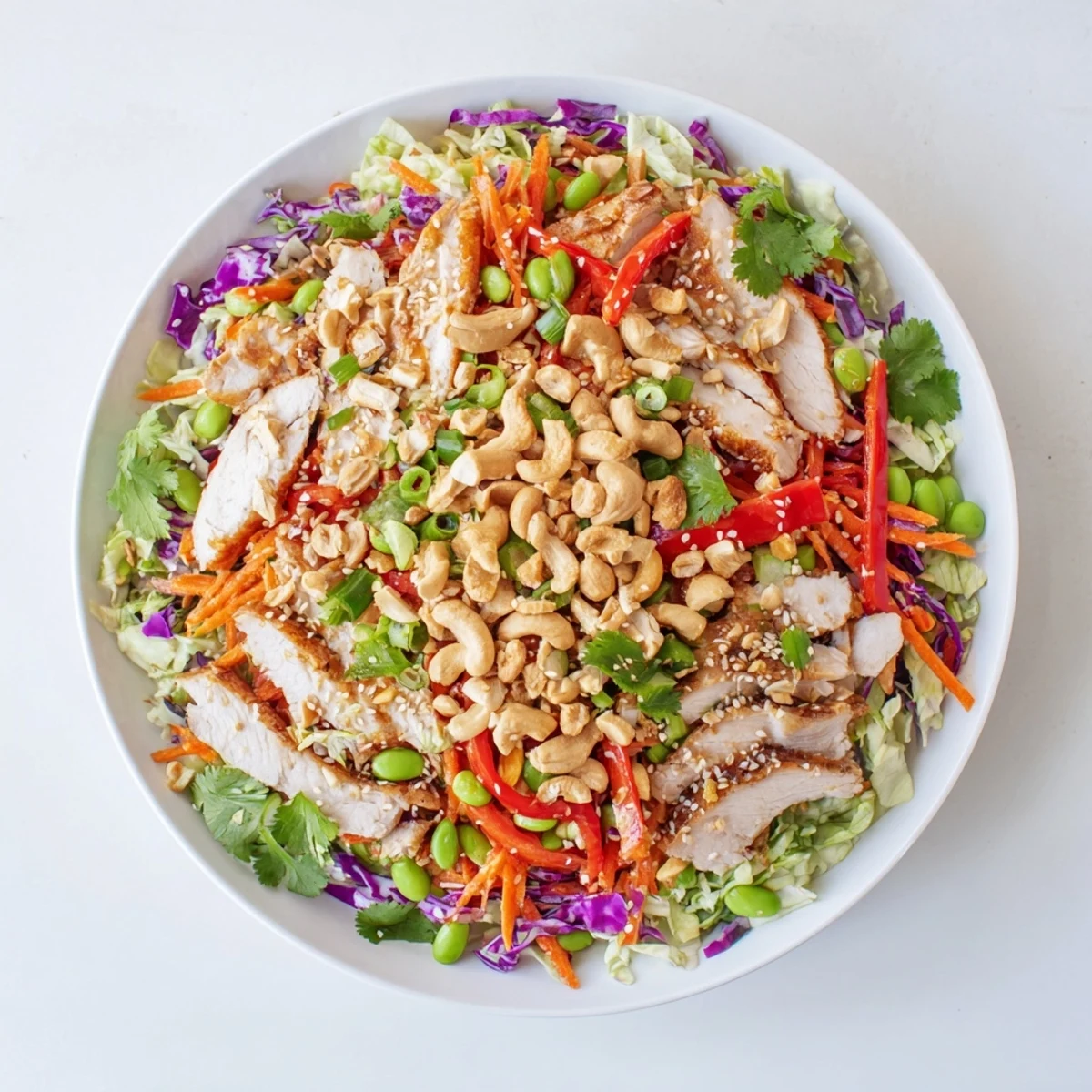
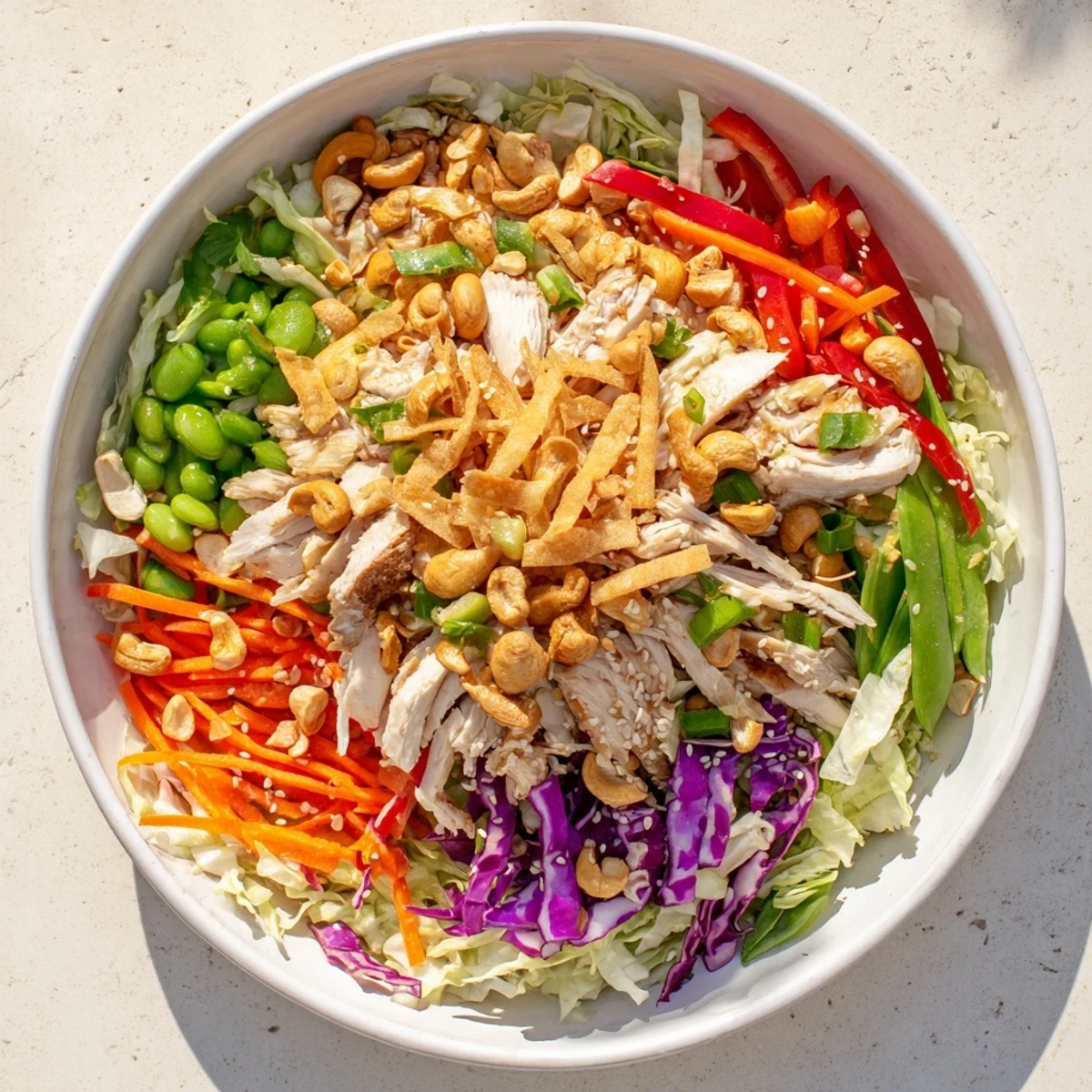
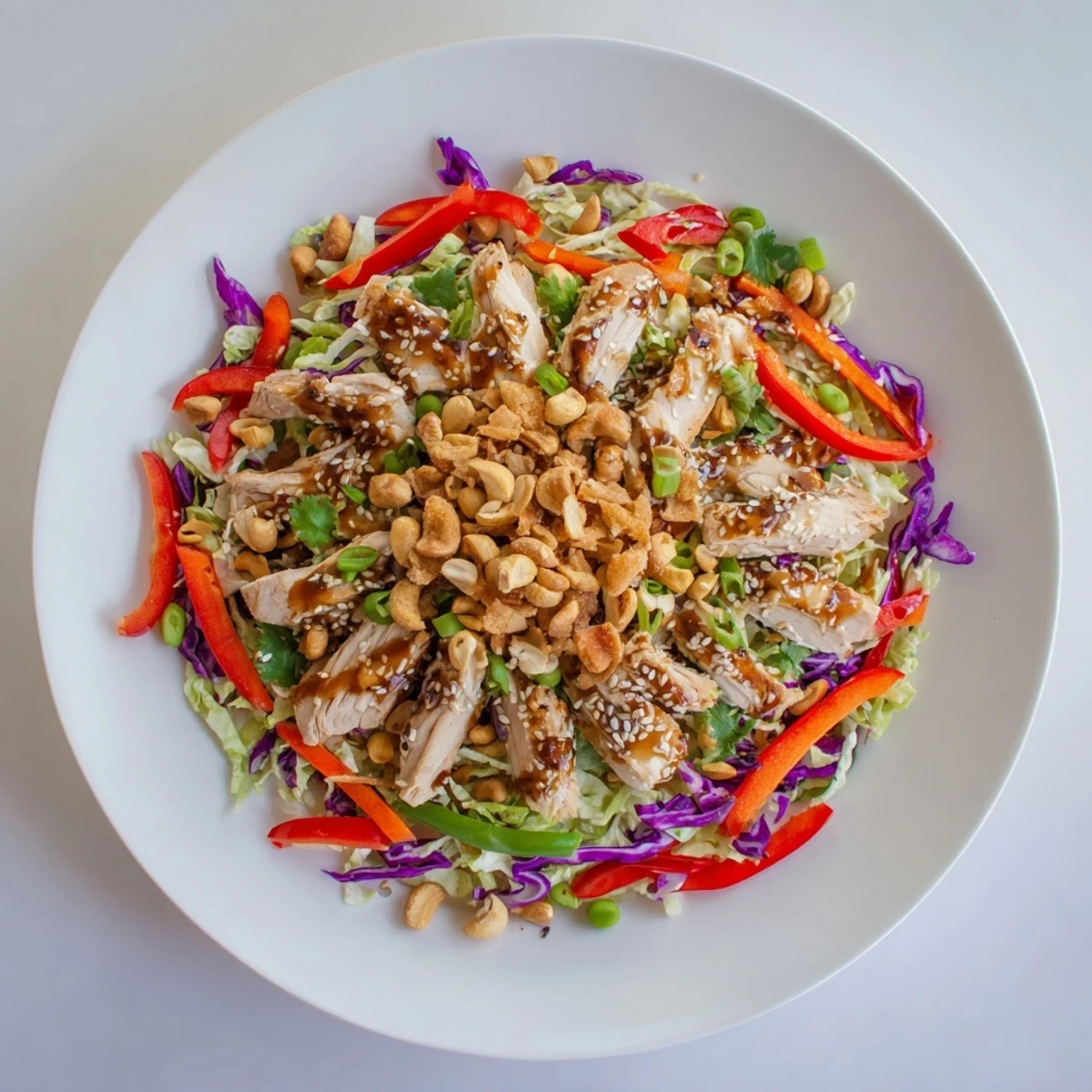
 This Chicken Cashew Crunch Salad brings together tender pan-seared chicken, a colorful mix of Napa and purple cabbage, julienned carrots, snap peas, and red bell pepper for incredible texture in every bite.
Roasted cashews and crispy wonton strips add an irresistible crunch, while the sesame-soy dressing ties everything together with a perfect balance of tangy, savory, and slightly sweet flavors.
Ready in just 35 minutes, it makes an ideal weeknight dinner or meal-prep lunch for four. Dairy-free and easily adaptable for vegetarian diets by swapping chicken for tofu.
The sound of cashews hitting a hot pan is one of those small kitchen pleasures that makes you stop and listen, like rain on a window. This salad came together one Tuesday when the fridge was bare except for a half head of cabbage and some leftover chicken. I toasted the cashews almost to the point of no return, and that slightly charred edge turned out to be the best mistake of the week. Now it is a regular in our dinner rotation, crunchy and bright when everything else feels heavy.
My neighbor Karen stopped by unannounced one evening and I panicked because I had nothing proper to offer. I threw this salad together in twenty minutes and she stood in the kitchen eating it straight from the mixing bowl, chopsticks in hand, telling me it was better than the place downtown. She now texts me every few weeks asking for the dressing ratios.
Ingredients
- Boneless skinless chicken breasts (2): Two decent sized pieces are all you need, and honestly rotisserie chicken works beautifully if you are short on time.
- Olive oil (1 tablespoon): Just enough to get a good sear on the chicken and keep it from sticking.
- Salt and black pepper: Season the chicken generously before cooking because the dressing will not do that job for you.
- Napa cabbage (2 cups shredded): The tender, slightly sweet base that wilts just enough to soak up dressing without going limp.
- Purple cabbage (1 cup shredded): Brings color and an extra layer of crunch that holds up remarkably well overnight.
- Large carrot (1, julienned): Thin matchsticks distribute sweetness throughout every bite rather than clustering in one spot.
- Red bell pepper (1, thinly sliced): Adds a pop of sweetness and a satisfying snap that contrasts the softer cabbage.
- Green onions (3, sliced): A mild allium finish that does not overpower the delicate sesame notes.
- Snap peas (1 cup, sliced on the diagonal): Cutting them on the bias exposes more surface area and looks far more intentional than chopping straight across.
- Fresh cilantro leaves (1/2 cup): Stirs in a fresh, almost citrusy brightness that ties the whole dish together.
- Roasted cashew nuts (3/4 cup, roughly chopped): The star of the crunch show, and toasting them an extra minute in a dry pan takes them from good to unforgettable.
- Crispy wonton strips (1 cup): These disappear fast so add them at the absolute last second if you want any texture left.
- Sesame seeds (2 tablespoons, optional): A garnish that also adds a subtle nutty flavor, especially if you toast them briefly.
- Rice vinegar (1/4 cup): The acidic backbone of the dressing, mild enough to let the other flavors shine.
- Low sodium soy sauce (2 tablespoons): Provides salt and umami without overwhelming the dressing with sodium.
- Toasted sesame oil (1 tablespoon): A little goes a long way and delivers that unmistakable Asian inspired aroma.
- Honey or maple syrup (1 tablespoon): Balances the acidity and heat, and maple syrup keeps it fully vegan if that matters to you.
- Vegetable oil (2 tablespoons): Carries the dressing flavors and adds body so it clings to every leaf.
- Fresh ginger (1 teaspoon, grated): Microplane it directly into the dressing so the juices melt right in.
- Garlic (1 teaspoon, minced): Fresh only here, the jar stuff tastes flat and this recipe deserves better.
- Sriracha or chili garlic sauce (1 teaspoon, optional): Skip it for a gentle dressing or double it if you like it fiery.
Instructions
- Season and cook the chicken:
- Pat the chicken dry, rub with olive oil, salt, and pepper, then sear in a hot skillet for 6 to 7 minutes per side until golden and cooked through. Let it rest for a full 5 minutes before slicing so the juices redistribute instead of running out onto your board.
- Build the salad base:
- Toss both cabbages, the julienned carrot, bell pepper, green onions, snap peas, and cilantro into a large bowl and give it a good mix with your hands. This is the part where the colors hit you and you realize dinner is going to be beautiful.
- Whisk the dressing:
- Combine rice vinegar, soy sauce, sesame oil, honey, vegetable oil, grated ginger, garlic, and sriracha in a small bowl and whisk until it looks creamy and unified. Taste it on a cabbage leaf and adjust the salt or heat before committing.
- Bring it all together:
- Add the sliced chicken to the vegetables and drizzle the dressing over everything, tossing gently with tongs until every strand is coated. Stop tossing the moment it looks evenly dressed or you will bruise the delicate greens.
- Add the crunch:
- Scatter the chopped cashews, wonton strips, and sesame seeds over the top right before you serve. Toss lightly at the table so everyone gets that perfect first bite with maximum crunch still intact.
 Pin It
 There was a Sunday when I made a double batch expecting leftovers for lunch the next day. My teenage son walked through the kitchen, took one bite, then sat down with the entire bowl and a fork. I stood there watching him eat what was supposed to be four servings and felt oddly proud instead of annoyed.
Swaps That Actually Work
Peanuts or almonds can stand in for cashews without any complaint from anyone at the table, though I find almonds benefit from an extra minute of toasting. Thinly baked tofu strips pressed dry and seared in a hot pan make a genuinely satisfying vegetarian version that does not feel like a compromise. Rotisserie chicken shaved off the bone is my weeknight shortcut and nobody has ever noticed the difference.
Keeping It Crunchy
The real trick is storing every component separately if you plan to make this ahead. Keep the dressed salad in one container, the nuts and wontons in a bag, and assemble only when you are standing in front of the plate. Even just 30 minutes of lead time is enough for the cabbage to soften slightly and absorb the dressing, which is actually a nice texture shift from the raw crunch.
When to Serve It
This salad shows up at our house most often in late summer when the garden is overflowing with snap peas and the last thing anyone wants is a hot kitchen. It is casual enough for a weeknight dinner but pretty enough that I have served it at a baby shower without apologizing. The colors do all the plating work for you, especially on a wide shallow bowl.
- Pair it with a cold noodle soup for a light lunch spread.
- Doubling the dressing and keeping a jar in the fridge saves you ten minutes next time.
- Always taste the dressing before pouring because ginger potency varies wildly.
 Pin It
 Some recipes you follow once and forget, but this one has a way of becoming a staple before you realize it. Keep the dressing in a jar and the crunch in a bag, and dinner is never more than ten minutes away.
Common Questions
- → Can I use rotisserie chicken instead of cooking raw chicken?
-
Yes, rotisserie chicken is a great time-saving option. Simply shred or slice about 2 cups of cooked chicken and add it directly to the salad. This cuts your total preparation time down to roughly 15 minutes.
- → How do I keep the salad from getting soggy?
-
Add the dressing, cashews, and wonton strips right before serving. If meal-prepping, store the dressing separately in a small container and keep the crunchy toppings in their own bag or container. Combine everything only when you are ready to eat.
- → What can I substitute for cashews?
-
Peanuts or sliced almonds work well as alternatives. For a nut-free version, try toasted sunflower seeds or pumpkin seeds. Each option brings its own flavor and texture, so choose based on your preference and dietary needs.
- → Is this salad gluten-free?
-
The standard version contains wheat in the wonton strips and regular soy sauce. To make it gluten-free, use tamari or gluten-free soy sauce and either omit the wonton strips or use certified gluten-free ones. Always check ingredient labels to be certain.
- → How long does leftover salad last in the fridge?
-
Once dressed, the salad is best eaten the same day as the vegetables will soften. If stored undressed, the vegetable mixture keeps well for up to 2 days in an airtight container. Keep the chicken separate and reheat gently before assembling.
- → Can I make the dressing ahead of time?
-
Absolutely. The sesame-soy dressing can be prepared up to 5 days in advance and stored in a jar in the refrigerator. Give it a good shake or whisk before using, as the ingredients may separate while sitting.
