
 Pin It
 Zabaglione (zabaione) represents one of Italy's most cherished desserts—a remarkably simple yet luxurious custard requiring only three ingredients. The magic happens through gentle, constant whisking over simmering water, transforming egg yolks, sugar, and Marsala wine into a silky, frothy delight that triples in volume.
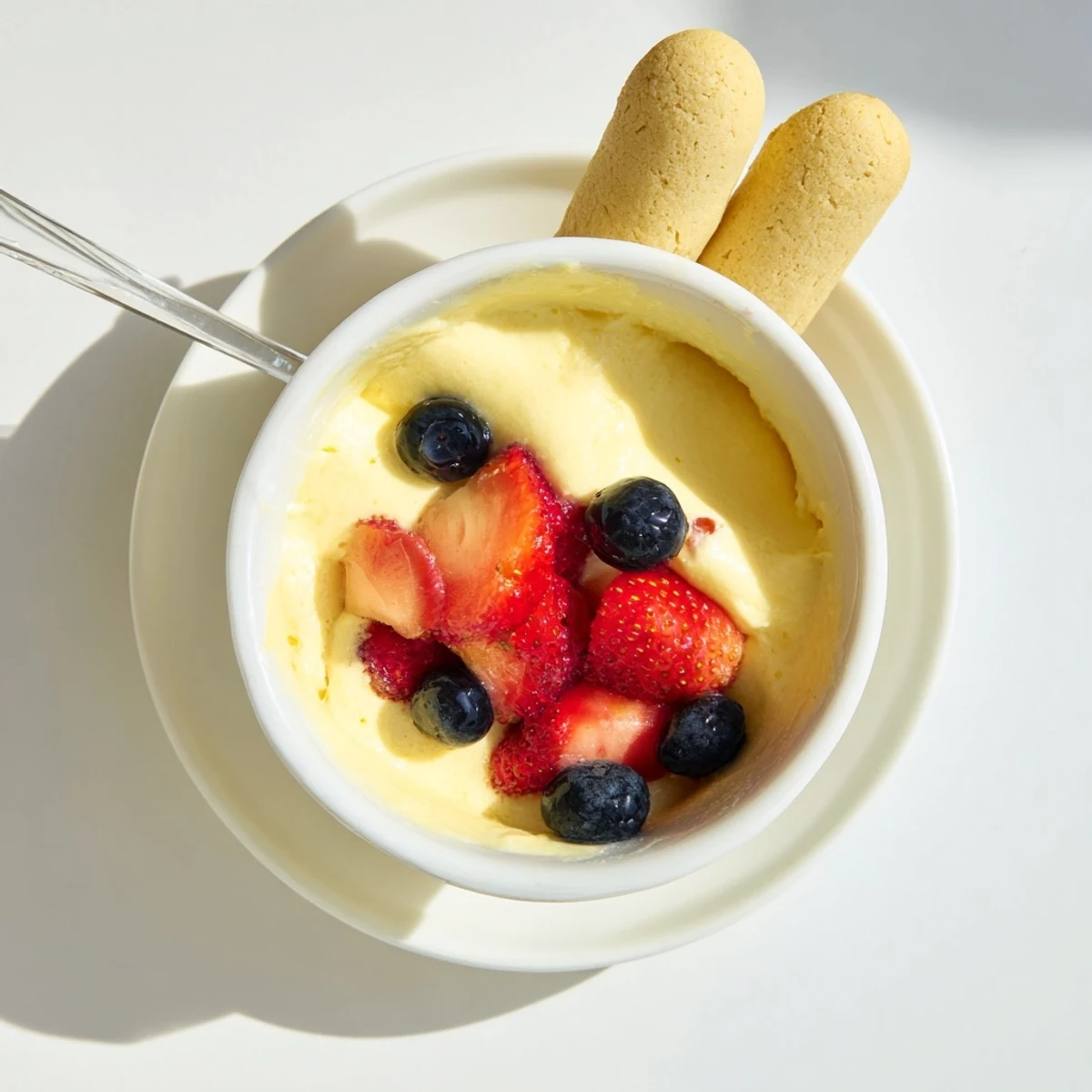
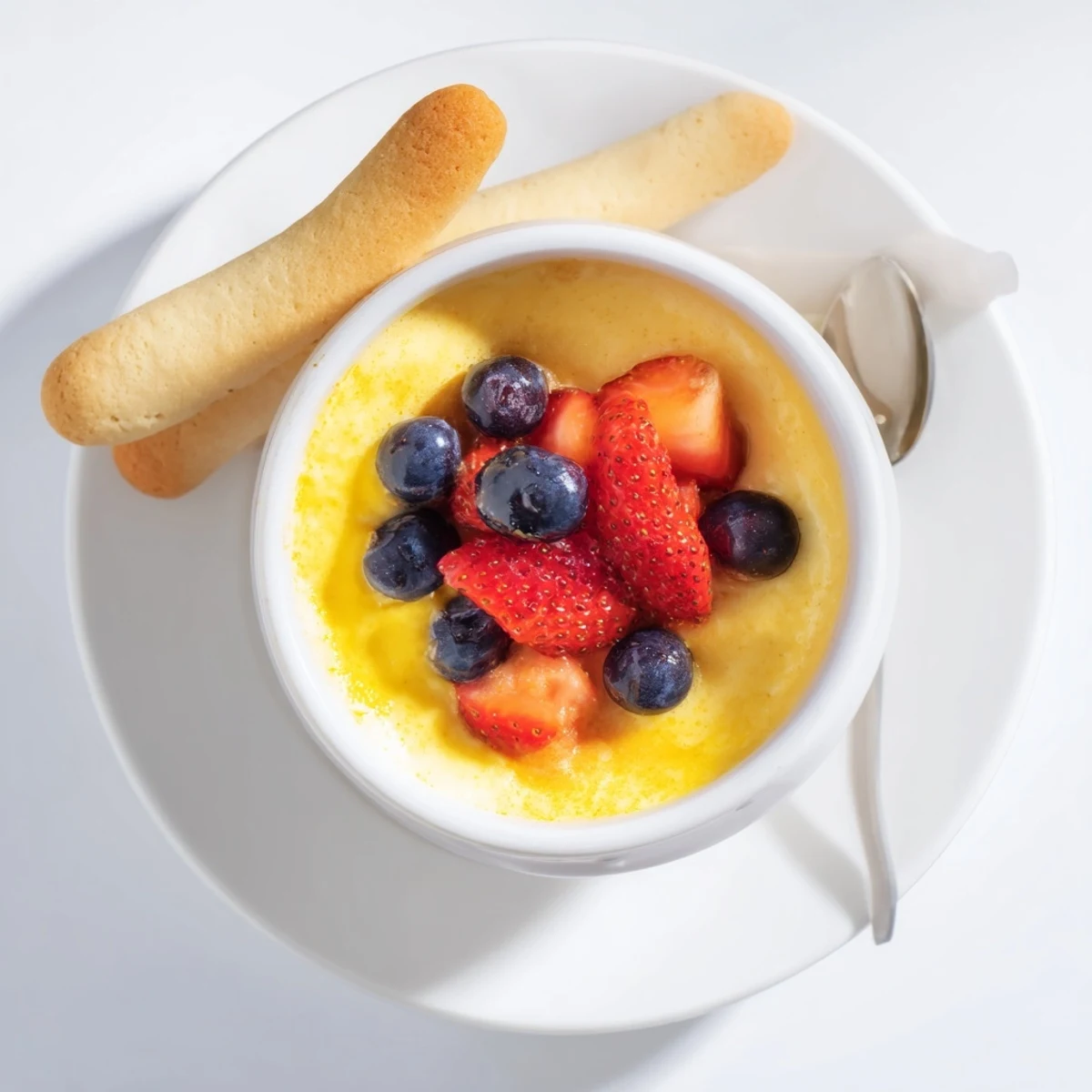
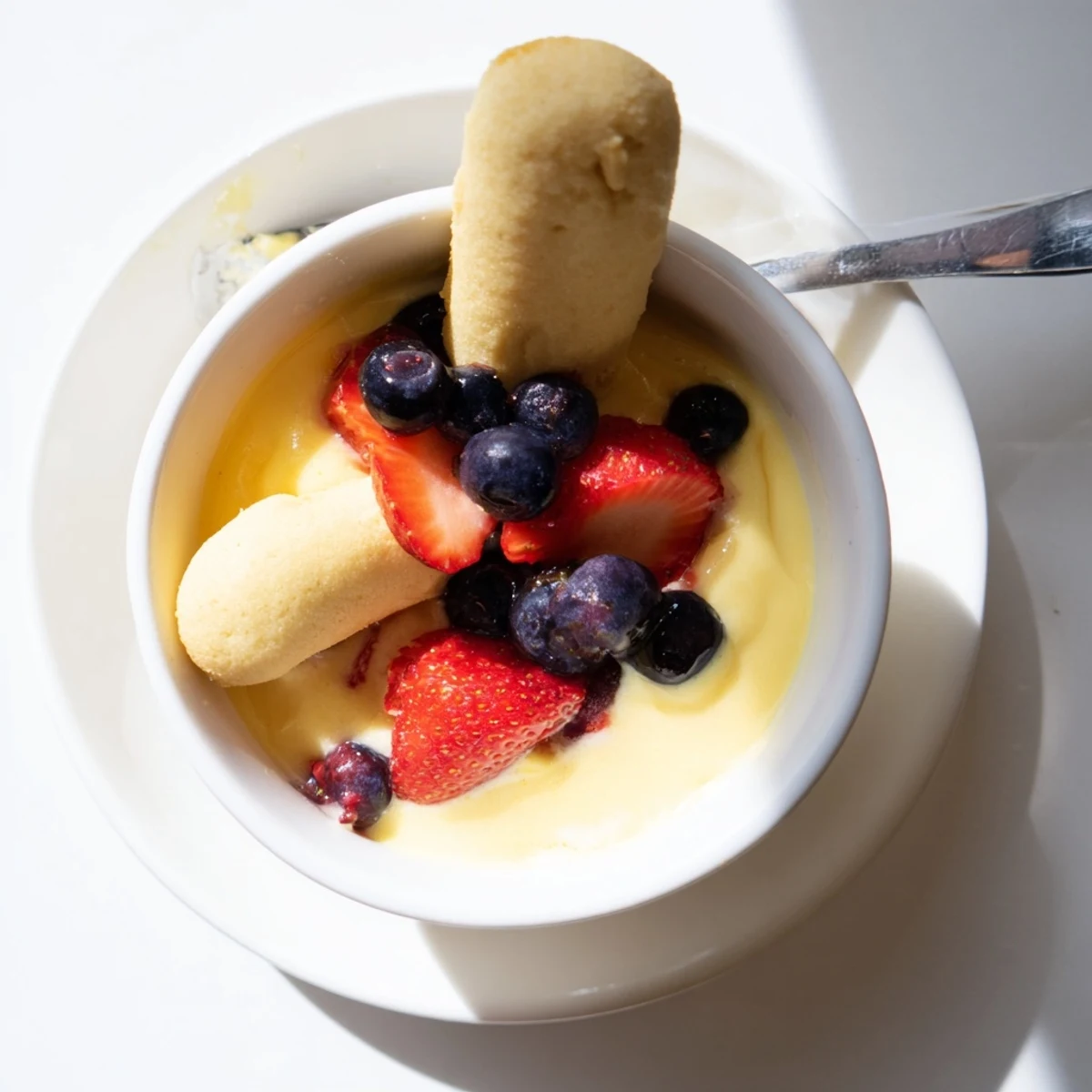
This traditional Italian sweet balances richness with delicate wine notes. Serve immediately in elegant glasses while still warm, perhaps accompanied by fresh berries or crisp ladyfingers. The technique rewards patience, delivering restaurant-quality sophistication perfect for dinner parties or intimate gatherings.
The first time I watched an Italian nonna make zabaglione in her tiny kitchen in Sicily, I was mesmerized by how something so simple could taste so extraordinary. She worked the whisk with such rhythm and confidence, transforming three humble ingredients into this cloud-like custard that hovered between dessert and magic. The kitchen filled with this warm, wine-kissed aroma that made everyone lean in closer. That moment taught me that sometimes the most elegant things in life require just the right touch and patience.
Last winter, during a particularly brutal cold snap, I made batch after batch for friends who gathered around my stove. We stood there watching the mixture transform, taking turns whisking and laughing when someone's arm inevitably tired. Something about that shared effort made each spoonful taste even better, like we had all created something beautiful together in the warmth of my kitchen while snow piled up outside.
Ingredients
- 6 large egg yolks: Room temperature yolks whisk up faster and hold air better, creating that signature fluffy texture
- 1/2 cup (100 g) granulated sugar: I learned the hard way that superfine sugar incorporates more smoothly, but regular works if you whisk thoroughly
- 1/2 cup (120 ml) Marsala wine: This fortified wine is the soul of zabaglione, though dry sherry makes a respectable substitute in a pinch
- Fresh berries: The tart fruit cuts through the richness like a bright note in a symphony
- Ladyfingers or biscotti: Something crisp to dunk into the warm custard turns this into an interactive experience
Instructions
- Set up your water bath:
- Fill a medium saucepan with about 2 inches of water and bring it to a gentle simmer, not a rolling boil that might splatter
- Whisk the base:
- In a large heatproof bowl, whisk those yolks and sugar together until the mixture turns pale and slightly thickened, about 2 minutes of steady work
- Begin the magic:
- Place your bowl over the simmering water, making sure the bottom stays above the water line like a gentle, indirect hug
- Add the Marsala:
- Pour in the wine gradually while whisking without pause, letting the alcohol cook off and leave behind this fragrant, floral backbone
- Watch it transform:
- Keep whisking for 8 to 10 minutes until the mixture triples in volume and forms those gorgeous thick ribbons that hold their shape briefly before disappearing back into themselves
- Serve immediately:
- This dessert waits for no one, so portion it into warmed glasses right away while it still holds that remarkable cloud-like texture
 Pin It
 My father-in-law, who claims to not have much of a sweet tooth, once ate three servings in one sitting after I made zabaglione for Sunday dinner. He kept murmuring between spoonfuls about how his grandmother used to make something like this for special occasions, how the taste transported him back to her kitchen in ways he had not felt in decades. That connection between food and memory hit me differently that night, reminding me why we bother with recipes at all.
The Art of Whisking
Your wrist will probably protest before the zabaglione is done, and that is completely normal. I have learned to switch hands halfway through or take tiny breaks while still moving the whisk, because building those muscles takes time and practice. The rhythm matters more than raw speed, a steady figure-eight motion that keeps everything moving and incorporating air consistently.
Serving Temperature Secrets
While traditional zabaglione is served warm, letting it cool slightly in the bowl for just a minute creates this incredible texture that is both airy and substantial. Too hot and it feels almost watery, too cool and it loses that magical something that makes it special. Timing, like so much in cooking, becomes everything with this particular dessert.
Wine Variations
Beyond Marsala, I have experimented with Vin Santo for an even deeper, more complex flavor profile that sings with almond biscotti. Prosecco creates a lighter, brighter version perfect for summer evenings when you want something less weighty but still indulgent. Each wine brings its own personality to the custard, making this recipe infinitely adaptable to whatever you have on hand or whatever mood you are trying to create.
- Orange juice creates a lovely non-alcoholic version with a bright, citrusy forward taste
- A splash of vanilla extract added at the end rounds out the flavors beautifully
- Grated lemon or orange zest transforms the entire character into something fresh and new
 Pin It
 There is something profoundly satisfying about serving zabaglione, watching people close their eyes with that first spoonful of warm, fragrant custard. It reminds me that the best recipes are not just about feeding people but about creating moments they will remember long after the dishes are washed.
Common Questions
- → What makes Zabaglione different from other custards?
-
Zabaglione distinguishes itself through its preparation method—whisking egg yolks, sugar, and Marsala wine over gentle heat creates a frothy, aerated texture unlike any other custard. The absence of cream or milk emphasizes the pure flavors of eggs and wine.
- → Can I prepare Zabaglione ahead of time?
-
Zabaglione shines when served warm, immediately after preparation. While you can chill it, the texture changes significantly—the lovely frothy foam deflates somewhat. For best results, whisk just before serving, though the process itself takes only 10 minutes.
- → What wine substitutes work best?
-
Marsala wine delivers traditional flavor, but dry sherry makes an excellent alternative with similar depth. For non-alcoholic versions, fresh orange juice provides pleasant acidity and sweetness, though the flavor profile shifts from complex wine notes to bright citrus.
- → Why must I whisk constantly?
-
Continuous whisking prevents the egg yolks from scrambling and incorporates essential air into the mixture. This constant motion creates the signature light, frothy texture and ensures even heating. The result transforms from dense liquid to voluminous, silky ribbons.
- → What should I serve with Zabaglione?
-
Fresh berries offer beautiful contrast—their tartness and juice balance the rich, sweet custard perfectly. Ladyfingers or biscotti provide delightful crunch for dipping. A sprinkle of grated lemon zest adds brightness, while a dusting of cocoa powder creates visual appeal.
- → Is this dessert suitable for special diets?
-
Naturally gluten-free and vegetarian, Zabaglione accommodates many dietary needs. The Marsala version contains alcohol, though the orange juice substitution eliminates this concern. Those with egg allergies should avoid this preparation, as eggs form its foundation.
