
 Pin It
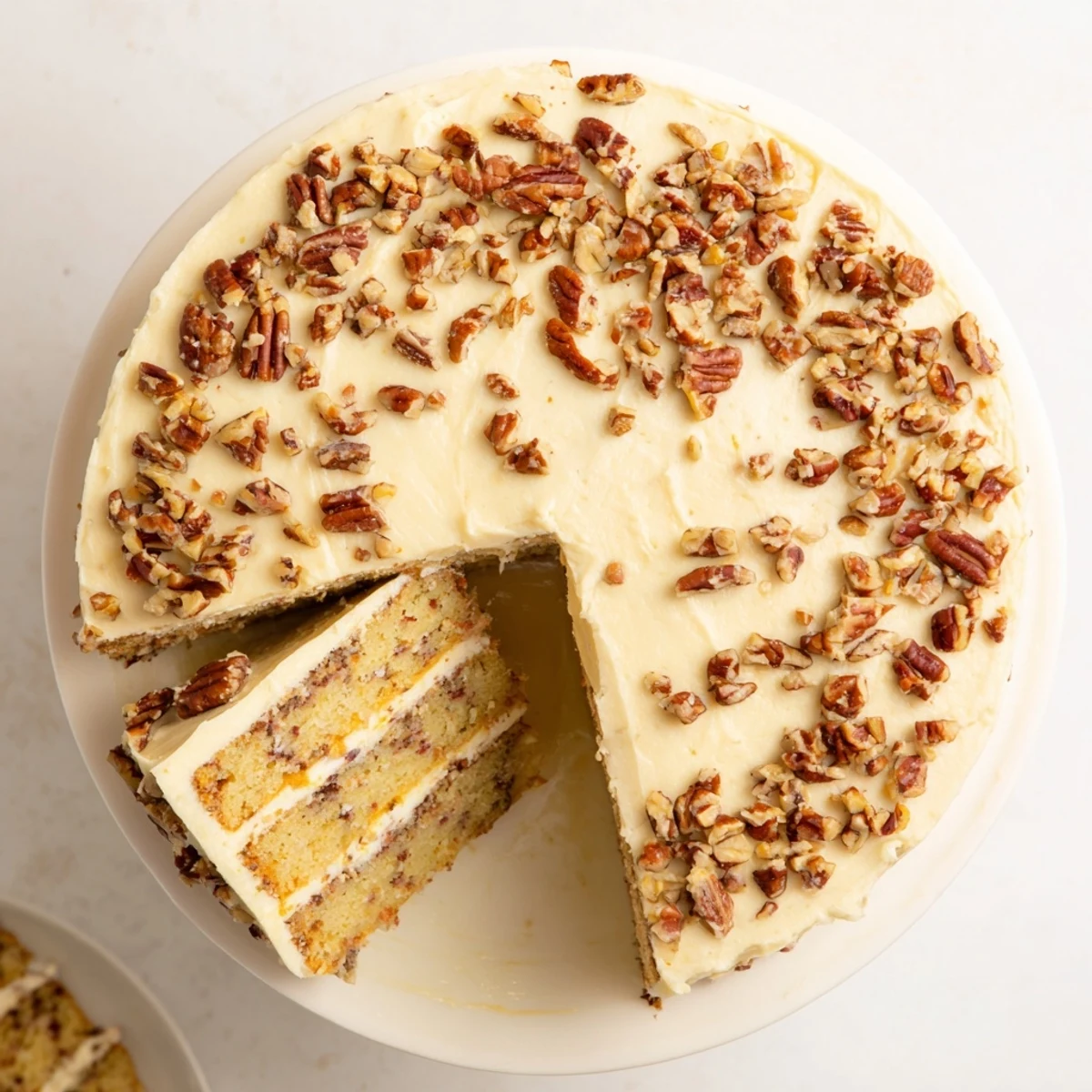
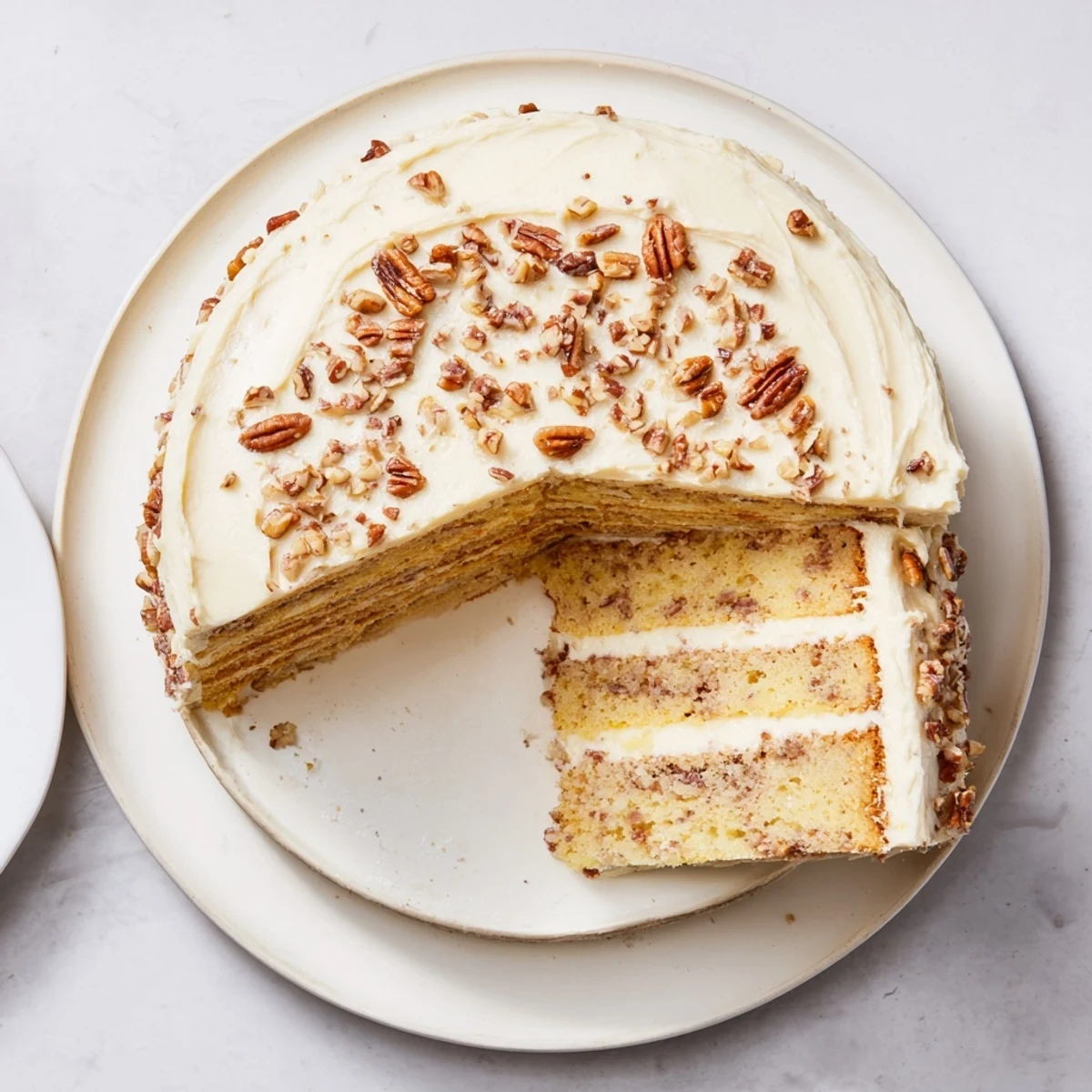
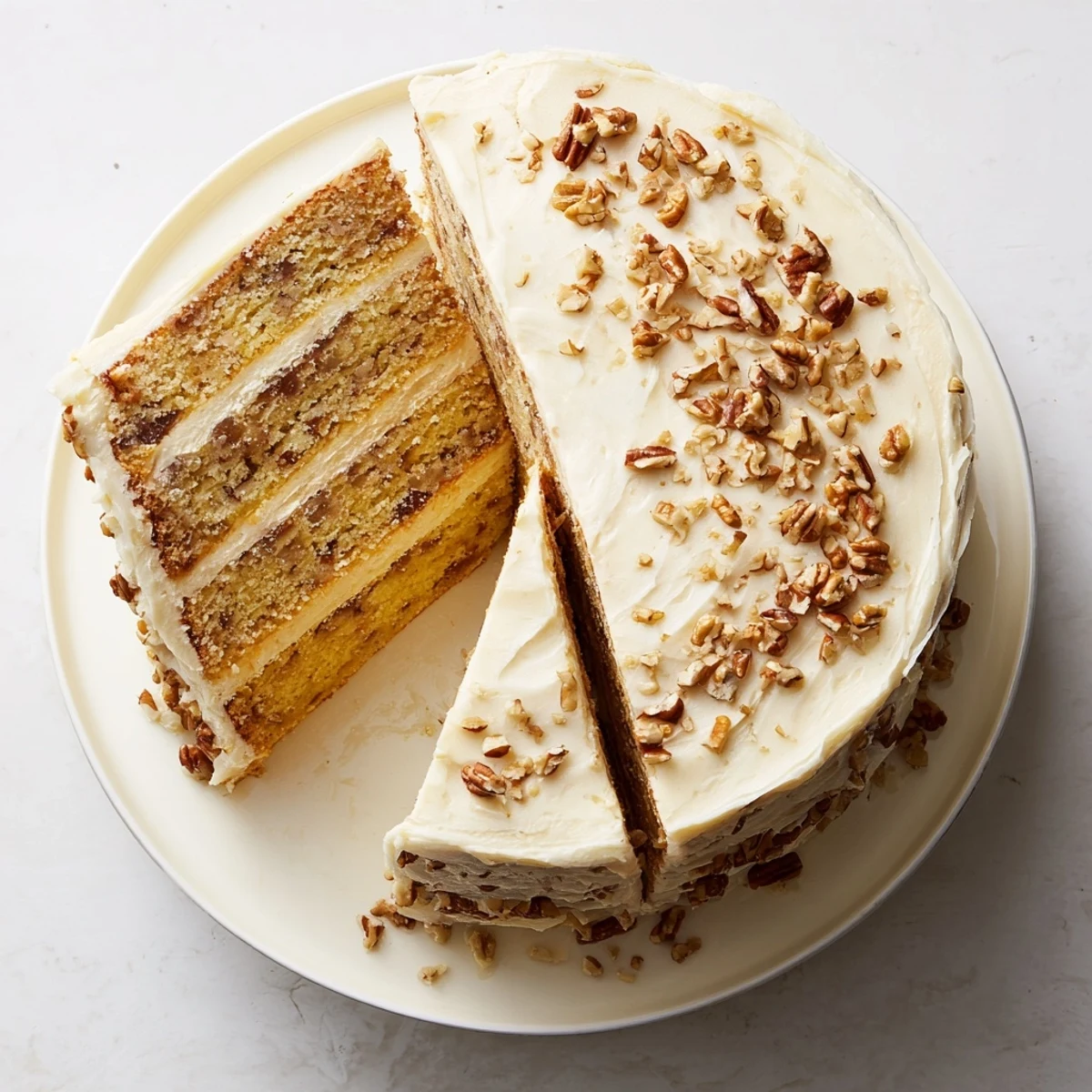
 This indulgent dessert combines a tender, moist crumb with crunchy toasted pecans throughout. The three-layer cake is frosted with a creamy butter pecan buttercream that's flecked with finely chopped nuts. Each bite delivers the perfect balance of sweetness and nutty, buttery flavor.
The buttermilk keeps the cake incredibly moist while the toasted pecans add delightful texture and depth. The frosting is silky smooth with just enough cream to make it spreadable yet substantial enough to hold its shape.
The first time I made this butter pecan cake, my entire apartment smelled like a warm bakery. I toasted too many pecans on purpose because I kept snacking on them while the cake layers baked. That evening, my neighbor knocked on my door just to ask what I was making, and I ended up sending her home with a slice.
I made this cake for my dads birthday last year instead of his usual apple pie. The look on his face when he took that first bite told me everything. Now he requests it for every single family gathering, even in July when nobody really feels like turning on the oven.
Ingredients
- Pecan halves: Toasting them in butter first deepens their flavor and gives them that irresistible golden color
- Unsalted butter: Three whole cups go into this cake between the layers, frosting, and toasting, so use the good stuff
- Buttermilk: This reacts with the baking soda for extra lift and creates the most tender crumb imaginable
- Room temperature eggs: Cold eggs can cause butter to seize up, so let them sit out while you gather everything else
- Powdered sugar: Sifting it first prevents those annoying lumps in your perfectly smooth buttercream
Instructions
- Toast the pecans:
- Melt butter in a skillet over medium heat, add chopped pecans, and stir constantly until fragrant and golden brown. Let them cool completely before using or theyll melt into your batter.
- Preheat and prep:
- Heat your oven to 350°F and generously grease three 8-inch round pans with butter and dust with flour. This cake is worth the extra pan prep to ensure nothing sticks.
- Whisk the dry ingredients:
- Combine flour, baking powder, baking soda, and salt in a medium bowl. Set this aside while you work on the wet ingredients.
- Cream the butter and sugar:
- Beat butter and sugar for a full 3 minutes until its pale and fluffy. This step creates air pockets that make the cake light instead of dense.
- Add the eggs and vanilla:
- Beat in eggs one at a time, really letting each one incorporate before adding the next. Stir in the vanilla extract and watch the batter become beautifully creamy.
- Combine wet and dry:
- Add flour mixture in three batches, alternating with buttermilk and starting and ending with the flour. Mix only until just combined to avoid tough cake.
- Fold in the pecans:
- Gently fold in most of your toasted pecans, saving about half a cup for the frosting. Treat this batter gently now that the flour has been added.
- Bake the layers:
- Divide batter evenly among your prepared pans and smooth the tops. Bake for 25 to 30 minutes until a toothpick comes out clean, then cool in pans for 10 minutes before turning out.
- Make the frosting:
- Beat butter until creamy, then gradually add sifted powdered sugar until smooth. Mix in vanilla and cream until fluffy, then fold in those reserved toasted pecans.
- Assemble everything:
- Place one cake layer on your serving plate and spread with frosting. Repeat with remaining layers, then frost the sides and top. Add extra pecan halves on top if you want it to look extra inviting.
 Pin It
 Last Thanksgiving, I made this cake instead of pumpkin pie and there wasnt a crumb left. My aunt asked for the recipe before she even finished her first slice, and now three other family members make it for their own celebrations. That to me is the highest compliment a recipe can get.
Making It Ahead
You can toast the pecans up to three days ahead and store them in an airtight container. The cake layers freeze beautifully wrapped tightly in plastic and foil, then thawed in the refrigerator overnight before frosting.
Serving Suggestions
This cake tastes even better on the second day after the flavors have had time to meld. Serve it slightly chilled if you want the frosting to feel more like a creamy candy, or at room temperature for the ultimate soft experience.
Storage and Keeping
Keep the cake covered at room temperature for up to three days, though it rarely lasts that long in my house. The refrigerator can make the cake slightly firm, but let it sit out for 30 minutes before serving for the best texture.
- Place a slice of bread in the container if the cake starts to feel dry
- Avoid storing near strong odors since cake absorbs smells easily
- Freeze frosted slices on a parchment lined tray before transferring to bags
 Pin It
 I hope this cake finds its way into your celebration rotation and creates the same warm, happy moments its brought to my kitchen. Theres something so special about a recipe that makes people pause and really savor every bite.
Common Questions
- → Can I make this cake in advance?
-
Yes, you can bake the layers up to 2 days ahead. Wrap them tightly in plastic wrap and store at room temperature. Frost the same day you plan to serve for the freshest texture.
- → How should I store leftovers?
-
Keep the frosted cake in an airtight container or under a cake dome at room temperature for up to 3 days. For longer storage, refrigerate for up to a week, though the texture may become slightly denser.
- → Can I use salted butter instead?
-
You can substitute salted butter, but reduce the added salt in the dry ingredients by half. The flavor will still be delicious, though slightly different from the original balance.
- → What if I don't have buttermilk?
-
Make a quick substitute by adding 1 tablespoon of white vinegar or lemon juice to 1 cup of regular milk. Let it sit for 5-10 minutes until slightly thickened before using.
- → Can I make this into cupcakes?
-
Absolutely. Fill cupcake liners two-thirds full and bake at 350°F for 18-22 minutes. The recipe yields about 24-30 cupcakes depending on size. Frost using the same buttercream.
- → How do I know when the cake is done?
-
Insert a wooden toothpick into the center of each layer. If it comes out clean or with just a few moist crumbs, the cake is ready. The tops should also spring back when lightly touched.
