
 Pin It
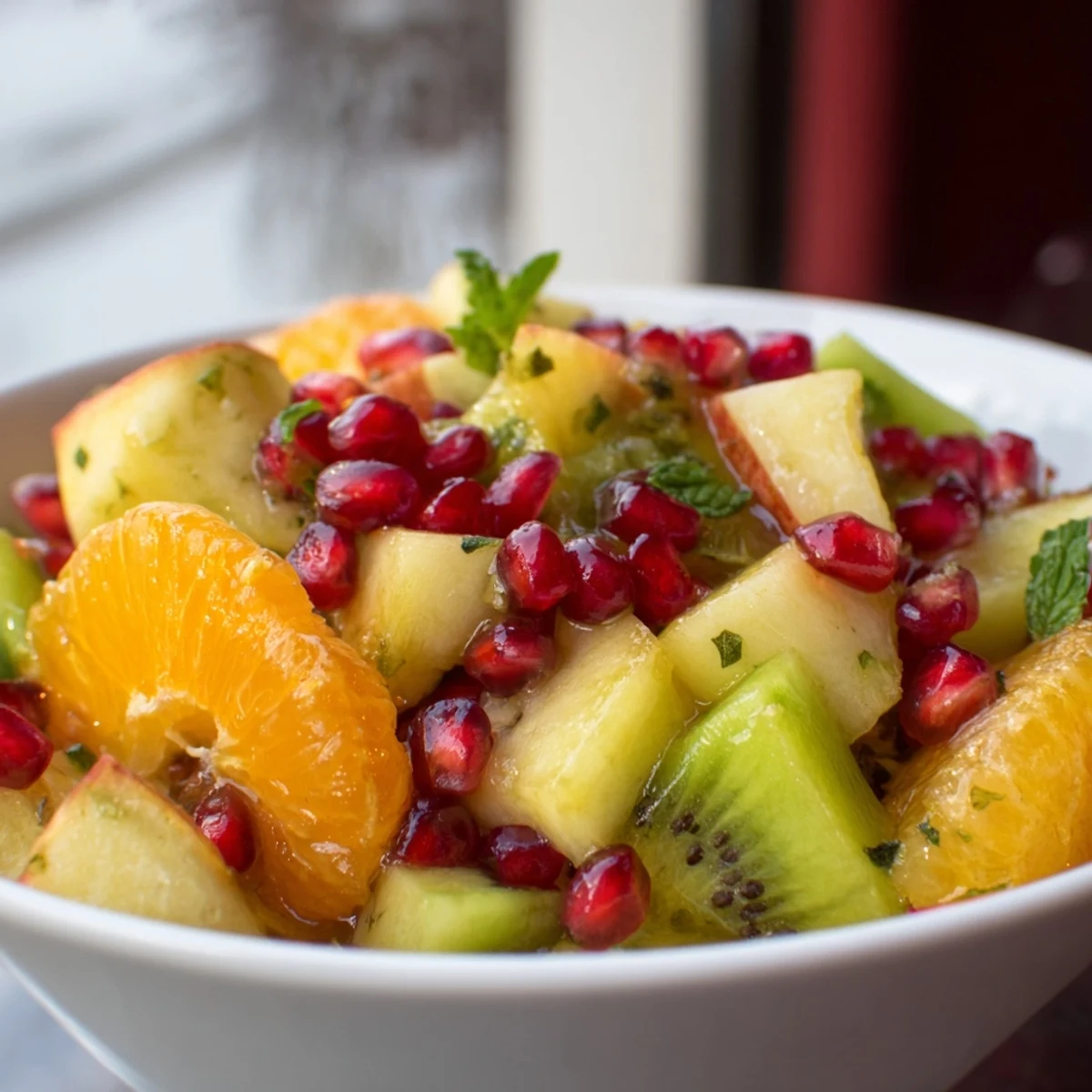
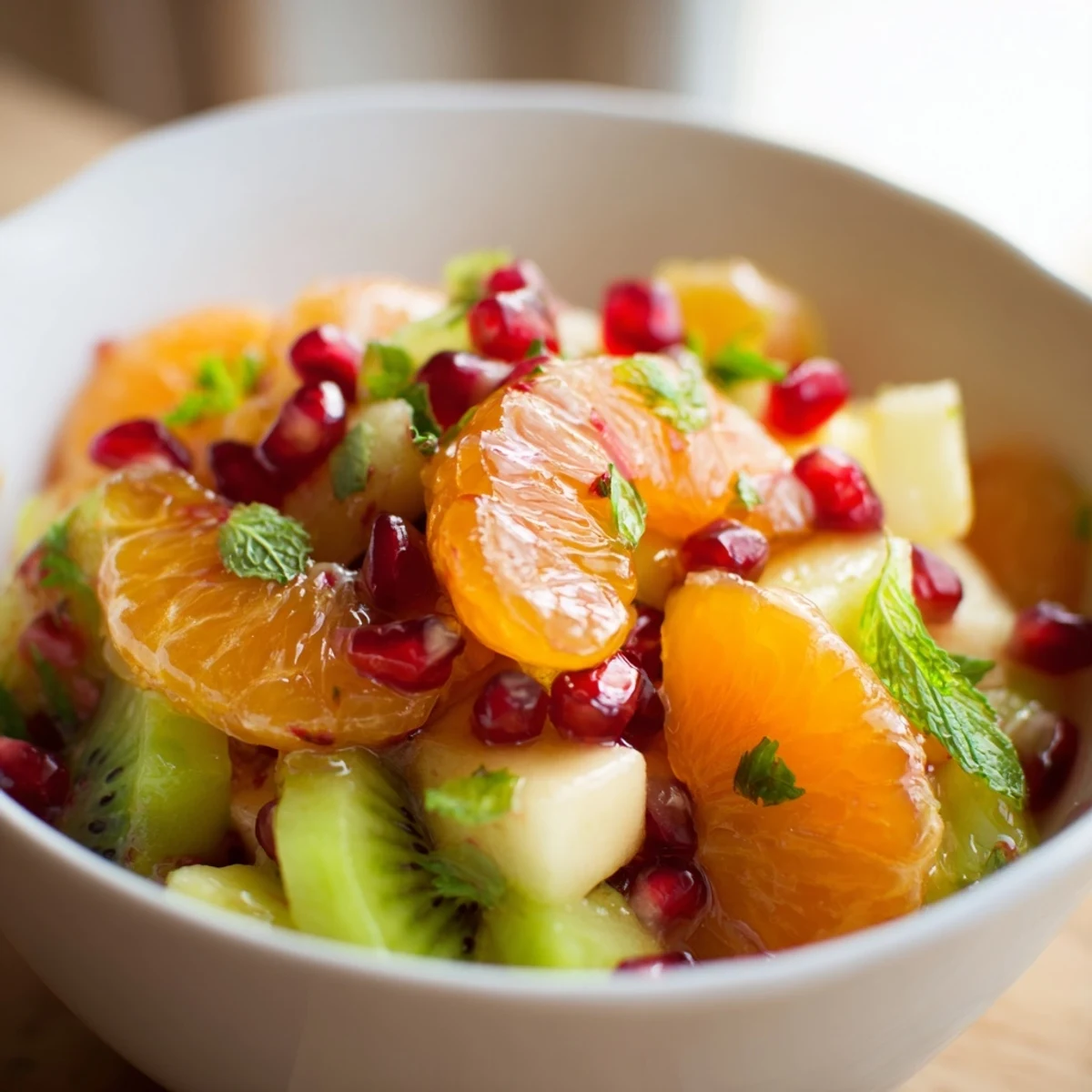
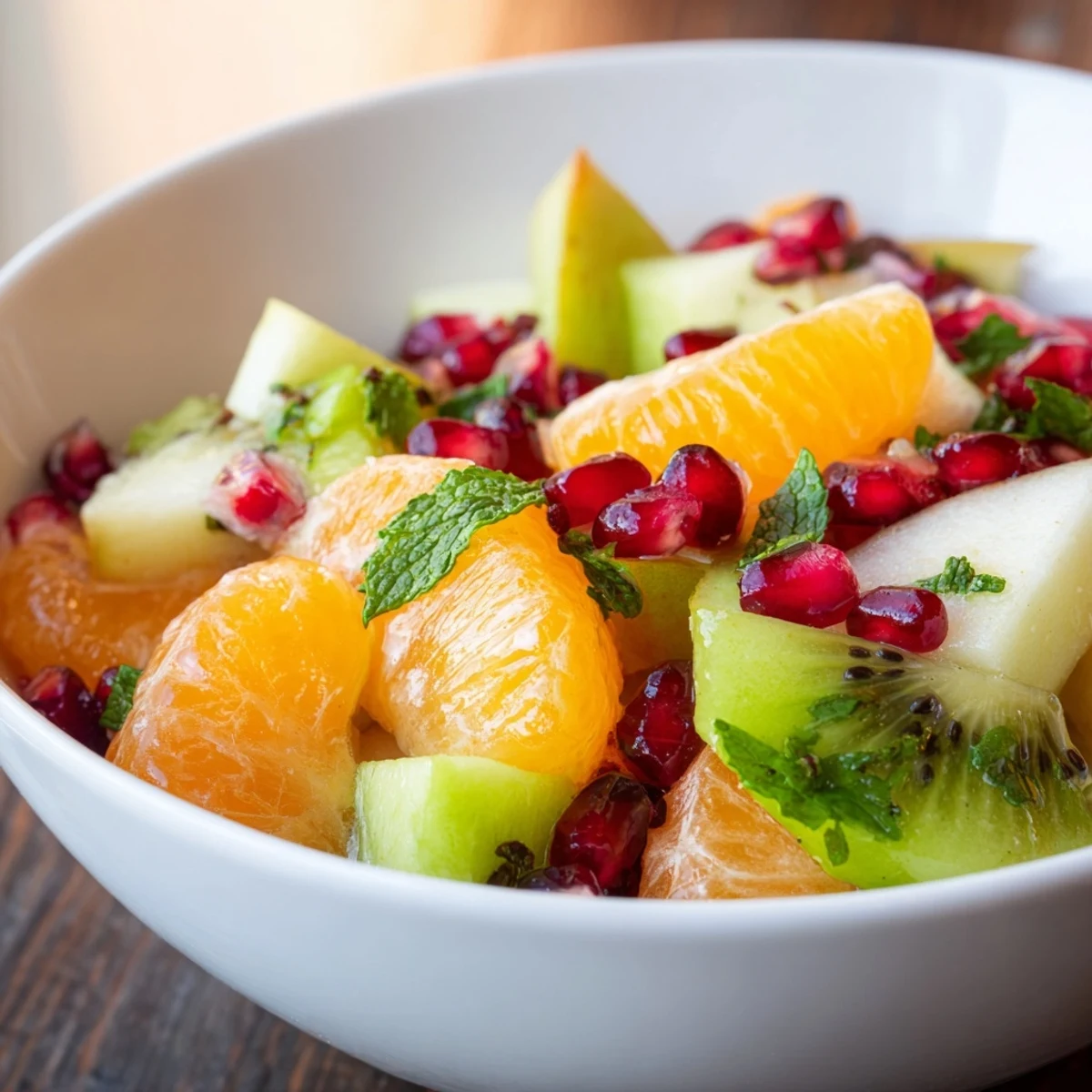
 This vibrant winter fruit salad combines juicy pomegranate seeds, oranges, kiwis, apple, pear, and grapes. Tossed with a zesty dressing of fresh lime juice, honey, and lime zest, it bursts with bright seasonal flavors. Finished with chopped mint, this no-cook salad is easy to prepare and perfect for a light, nutritious dish. Optional nuts can add crunch, while variations include blood orange or persimmon segments. Serve chilled or fresh for a refreshing treat.
I made this salad on a gray December afternoon when my kitchen felt too quiet and I needed something bright to look at. The pomegranate was sitting on my counter, heavy and jewel-like, practically begging to be opened, and somehow that one fruit spiraled into gathering every winter thing I could find—oranges, kiwis, pears. The colors alone made me smile before I even tasted it.
I served this to a friend who'd been under the weather, and watching her face light up when she tasted it felt important somehow—like food actually mattered in that moment. She went back for seconds before I'd even sat down, and that's when I realized this wasn't just a salad; it was the kind of thing that reminds you why you bother cooking at all.
Ingredients
- Pomegranate: One large one gives you jeweled seeds that taste like tart sweetness and add bursts of flavor to every bite. Cutting one is a little messy but oddly satisfying—hold it over a bowl of water to keep the juice from staining everything.
- Oranges: Choose ones that feel heavy for their size, which means they're juicier and sweeter. Segmenting them takes a minute but makes the salad feel intentional.
- Kiwis: Their tartness balances the sweeter fruits and their bright green color matters more than you'd think. Peel them thickly or you'll get fuzzy bits in your teeth.
- Apple and pear: Dice these just before tossing so they don't oxidize and turn brown. The combination gives you a tender sweetness without being heavy.
- Red grapes: Optional, but they add a pop of color and a soft, juicy texture that bridges the other flavors.
- Lime juice and zest: Fresh lime is non-negotiable here—it brightens everything and keeps the whole salad from tasting like just sweetness.
- Honey or maple syrup: A touch of warmth that deepens the citrus without overwhelming it. Maple syrup makes it feel more autumnal if that's your mood.
- Fresh mint: Don't skip this. The mint is what transforms fruit into a complete thought.
Instructions
- Prep your fruit mindfully:
- Take your time here—listen to the sound of the knife hitting the board, feel the juice run over your hands, notice which fruits smell the sweetest. This step is half the pleasure. Have everything ready in bowls before you start combining.
- Combine in a large bowl:
- Pile all the fruit together and take a moment to look at it. The colors should feel like something you'd want to eat.
- Make your dressing:
- In a small bowl, whisk the lime juice, honey, and zest until the honey dissolves completely. Taste it before you pour it on—you want it to taste bright and a little sweet, nothing subtle.
- Dress and toss with care:
- Pour the dressing over and fold everything gently so you don't crush the softer fruits. You're looking for each piece to glisten, not for the fruit to be drowning.
- Serve with fresh mint:
- Transfer to whatever you're serving it in and sprinkle the chopped mint across the top right before people eat. The mint should be the last thing you do.
 Pin It
 There's something grounding about eating fresh fruit in winter, when everything outside is bare and the sun sets before dinner. This salad became my small rebellion against heavy foods and dark mornings.
Why Winter Fruit Works
Winter gets a bad reputation for its produce, but that's only true if you're expecting strawberries. Pomegranates, citrus, pears, and apples are at their peak right now—they're crisp and flavorful and somehow taste more alive because they're what's actually in season. There's a reason these fruits pair together so naturally; they're designed to be eaten together at this time of year.
How to Prepare Each Fruit Without the Frustration
Pomegranates seem intimidating until you realize there's a trick: score the skin and soak it in water while you work, then the seeds practically float out. Oranges segment easiest if you cut off both ends first, then cut away the pith in vertical strips—it takes practice but saves your hands from sticky citrus juice. Kiwis are easiest to peel with a vegetable peeler if they're ripe enough, and apples and pears should go into the bowl as soon as you cut them so they stay pale and crisp.
Make It Your Own
This salad has a backbone, but everything else is flexible depending on what you find and what you're craving. Blood oranges, persimmons, pomelo, tangerines—any of these swap in beautifully and make the salad feel different each time. Some days I add pistachios for crunch or a pinch of chili powder to surprise people. The mint matters, but basil works in a gentler way if that's what you have.
- Try a handful of chopped pistachios or toasted walnuts for texture and earthiness.
- A tiny pinch of chili powder or cayenne against the fruit is subtle magic.
- Add a splash of sparkling water if it seems too thick or sweet.
 Pin It
 This salad became my answer to the question of what to bring when someone needs something kind but not heavy. It's proof that simple ingredients, a little attention, and the confidence to taste as you go turns fruit into something that feels like care.
Common Questions
- → How do I prepare the pomegranate for this salad?
-
Carefully remove the seeds by breaking the pomegranate apart and gently prying out the arils to avoid bitterness from the white pith.
- → Can I substitute the honey in the dressing?
-
Yes, maple syrup or agave syrup can be used as alternatives for a similar sweetness and to keep it vegan-friendly.
- → What is the best way to serve this fruit salad?
-
Serve it immediately for freshest taste, or chill for up to two hours to enhance flavors without losing texture.
- → Can I add nuts for extra crunch?
-
Sprinkling chopped pistachios or walnuts adds a pleasant crunch, but be mindful of allergen considerations.
- → Are there any suggested fruit variations?
-
Adding blood orange or persimmon segments can provide unique color and flavor variations to the salad.
