
 Pin It
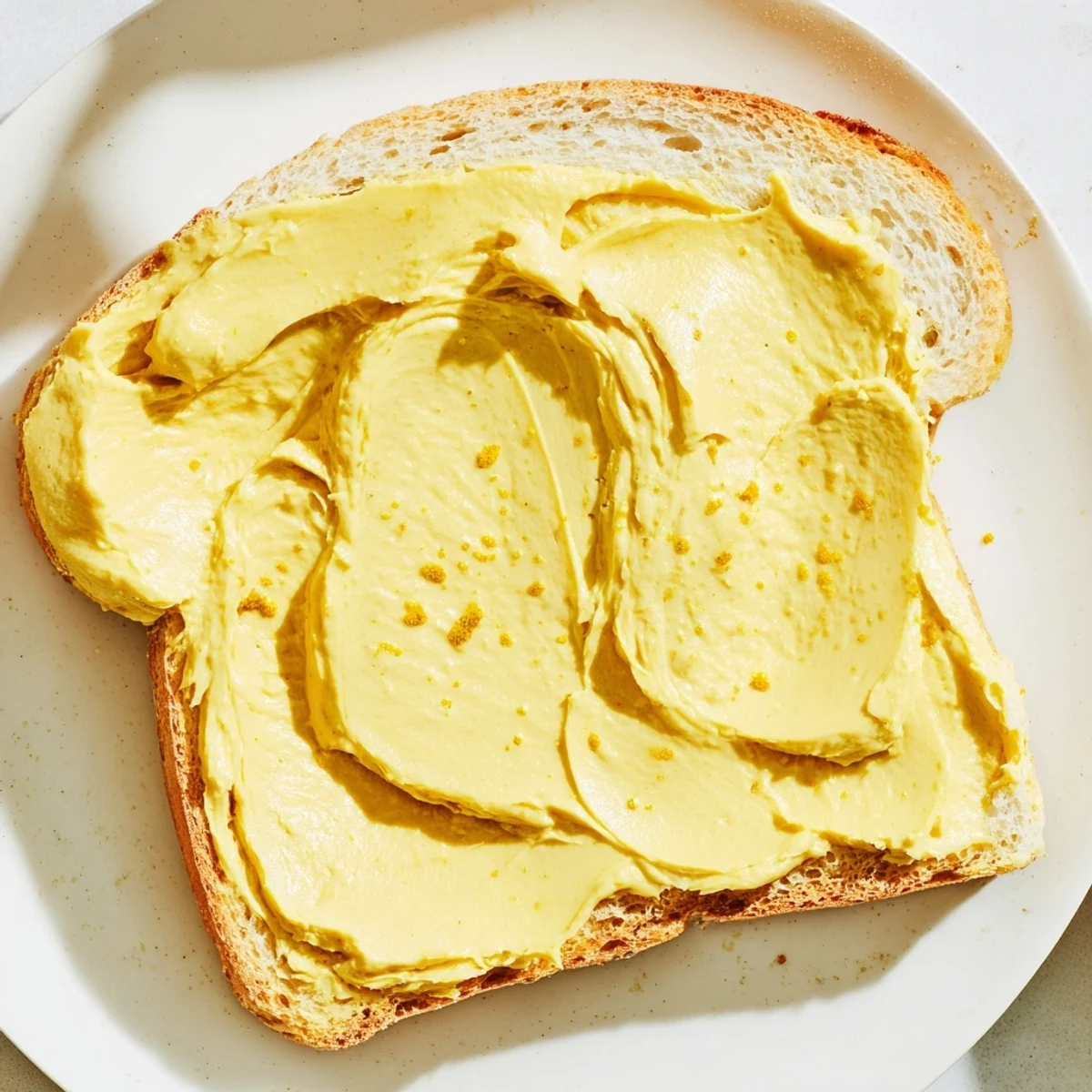
 Craft your own luxurious plant-based spread using coconut oil, neutral oil, and plant milk. This dairy-free alternative delivers the same creamy texture and rich flavor as traditional butter, making it ideal for spreading on warm toast, incorporating into baked goods, or enhancing your favorite dishes.
The secret lies in perfectly balancing refined coconut oil with a lighter neutral oil, then emulsifying with soy milk and lecithin for that signature smooth consistency. Optional nutritional yeast adds buttery depth while turmeric provides a natural golden hue.
Ready in just 10 minutes, this homemade version stays fresh for two weeks and softens beautifully at room temperature. Customize with herbs or spices for flavored variations.
My daughter's preschool teacher called me in a panic last year—her newly dairy-free son was miserable without butter on his morning toast. I'd been experimenting with plant-based alternatives for months, but nothing quite nailed that creamy satisfaction. That afternoon, I blended coconut oil with a splash of vinegar and salt, crossing my fingers. When she texted me that evening saying he'd eaten three slices, I knew I had something worth sharing.
Last summer, my brother visited from overseas and slathered this on his toast for three days straight before finally asking what kind of European butter I'd discovered. His jaw dropped when I showed him the blender and a jar of coconut oil. Now he makes batch after batch for his roommates, claiming it's the best thing he learned on his trip home.
Ingredients
- Refined coconut oil: This creates the firm texture without adding coconut flavor—unrefined works if you want that tropical taste
- Neutral oil: Sunflower or grapeseed keeps the butter soft and spreadable straight from the fridge
- Unsweetened soy milk: The proteins help emulsify everything, though oat or almond milk work beautifully too
- Apple cider vinegar: Just a tiny hint mimics the subtle tang of cultured dairy butter
- Sunflower lecithin: This is the magic ingredient that keeps your butter creamy instead of separating into layers
Instructions
- Melt and cool your coconut oil:
- Gently heat it until just liquid, then let it sit for about five minutes so it's not piping hot
- Combine everything in your blender:
- Throw in both oils, milk, vinegar, salt, nutritional yeast, turmeric if you're using it, and that crucial lecithin
- Blend until silky smooth:
- Run your blender on high for a full minute or two until the mixture looks glossy and completely unified
- Pour and chill:
- Scrape everything into a clean container and pop it in the fridge for at least two hours to set
 Pin It
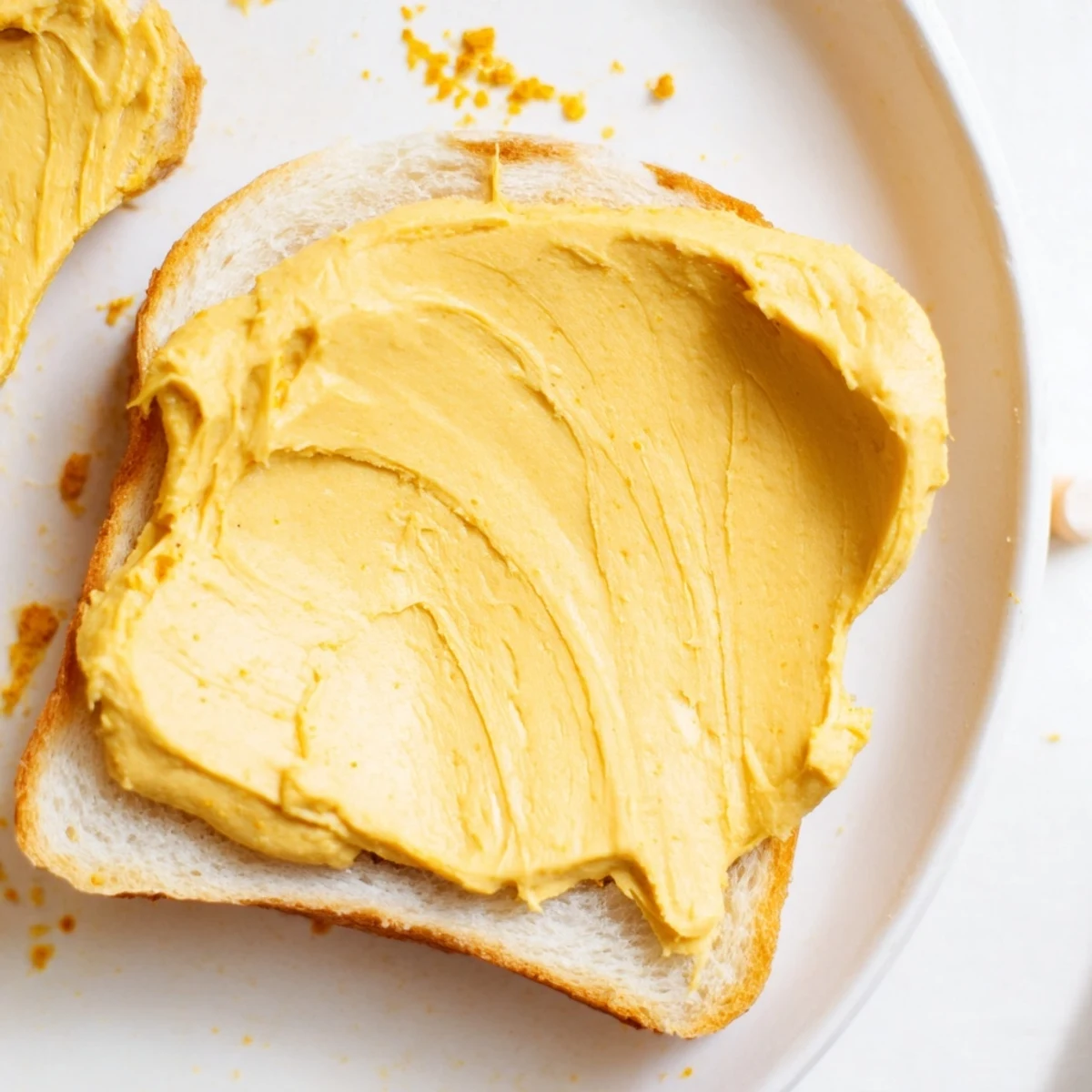
 My friend Sarah started keeping a small ramekin of this on her dining table during dinner parties, and guests kept asking where she found such high-quality European butter. She finally told them she made it herself, and now half her dinner circle has started making their own batches. There's something satisfying about watching someone's eyes light up when they realize homemade butter is that simple.
Customizing Your Butter
My oldest daughter loves when I add a crushed garlic clove and some dried herbs for savory bread, while the younger one prefers maple syrup mixed in for pancake butter. Once you have the base down, the variations are endless—just blend your extras right in with everything else.
Baking With Plant-Based Butter
I've substituted this for dairy butter in cookies, pie crusts, and cakes with fantastic results. The key is keeping it cold when baking—pop your measured butter in the freezer for fifteen minutes before cutting it into flour. You'll get the same flaky, tender texture you expect from traditional recipes.
Storage And Troubleshooting
This keeps beautifully in the refrigerator for two weeks, though it rarely lasts that long in my house. If you're planning to bake with it, consider freezing portions in an ice cube tray—that way you always have the exact amount you need without measuring.
- Label your container with the date so you can track freshness
- If your coconut oil is solid and hard to measure, warm the jar slightly first
- Double the batch and freeze half—you'll thank yourself later
 Pin It
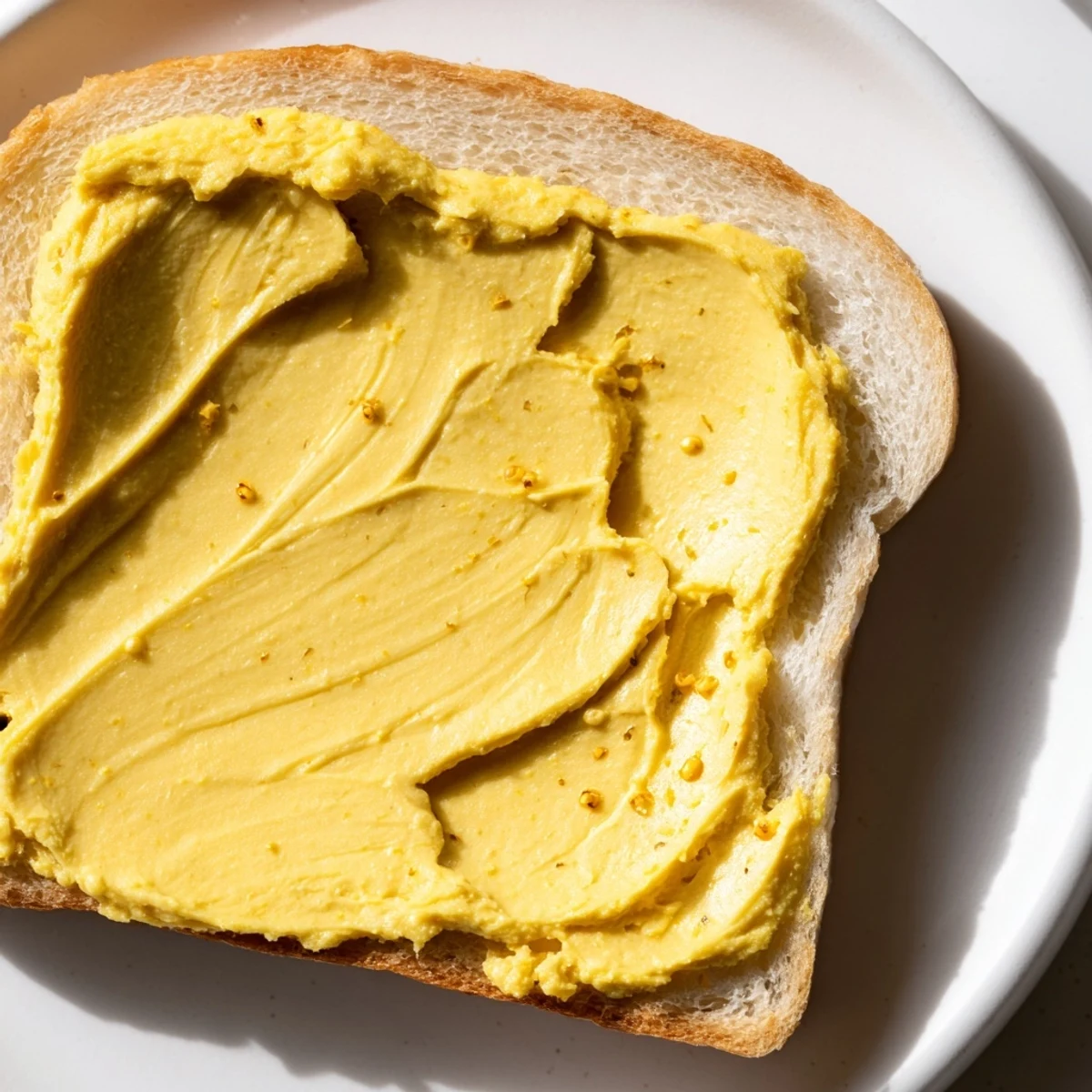
 There's something incredibly empowering about making your own butter, dairy or not. Every time I see that creamy spread on my family's breakfast plates, I remember that worried mom and her happy son—and how something so simple made such a difference.
Common Questions
- → What oils work best for this?
-
Refined coconut oil provides structure while neutral oils like sunflower, grapeseed, or canola ensure smooth spreadability. The combination prevents the coconut flavor from coming through while maintaining the perfect texture.
- → How long does it stay fresh?
-
Store in an airtight container in the refrigerator for up to two weeks. Allow to soften at room temperature for 5-10 minutes before spreading for the best consistency.
- → Can I make this without soy?
-
Absolutely. Substitute soy milk with oat or almond milk, and use sunflower lecithin instead of soy lecithin. The result remains equally creamy and spreadable.
- → Why is lecithin necessary?
-
Lecithin acts as an emulsifier, binding the oils and plant milk together to create a smooth, unified texture. Without it, the ingredients may separate during storage.
- → Can I use this for baking?
-
Yes, this works as a 1:1 substitute in most baking recipes. The coconut oil provides structure similar to dairy butter, making it suitable for cookies, cakes, and pastries.
- → How can I add different flavors?
-
Mix in garlic powder and herbs for savory spreads, add maple syrup and cinnamon for sweet variations, or incorporate smoked paprika for a smoky dimension. Add these after blending.
