
 Pin It
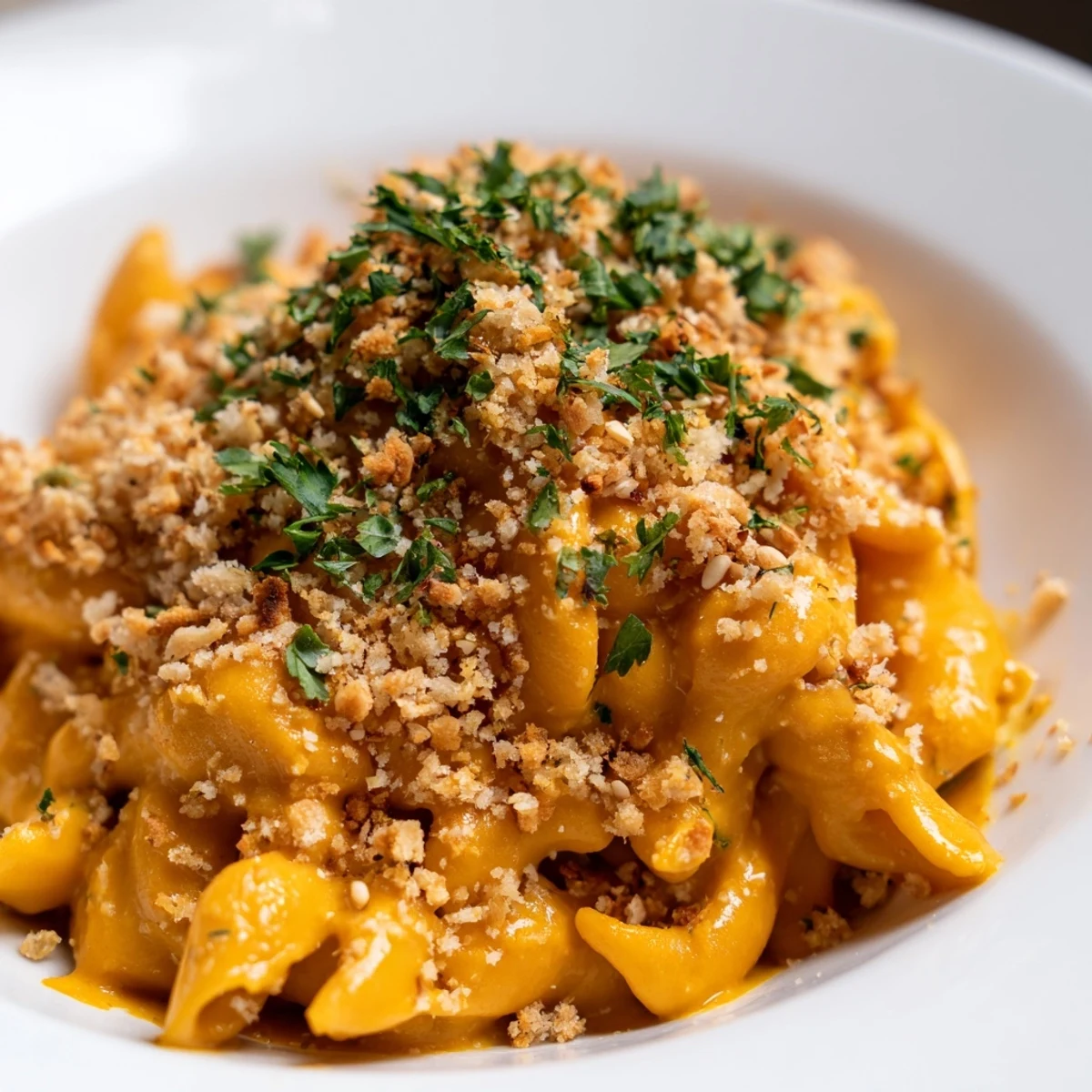
 This dish blends roasted butternut squash with a smooth, dairy-free cheese sauce that coats warm pasta beautifully. The sauce is enriched with nutritional yeast, turmeric for color, and smoky paprika for depth. Roasting the squash and aromatics caramelizes their natural sweetness, enhancing the creamy texture. Optional panko topping adds a crisp finish. Ideal for a quick yet nourishing meal that balances comfort and wholesome ingredients.
There's something about a rainy Tuesday night that makes you crave the kind of comfort food that doesn't require apologies. I stumbled onto this butternut squash mac and cheese while trying to prove to myself that vegan cooking could be just as indulgent as the creamy, buttery version I grew up with. One blender whir later, I realized I'd cracked something—a sauce so smooth and golden it didn't need dairy to taste like home.
I made this for my sister during one of her skeptical phases about plant-based eating, and watching her take that first bite—the moment her fork paused mid-chew—told me everything. She asked for the recipe before she'd even finished her plate, and I knew it wasn't because I was a good cook, but because the dish itself does the talking.
Ingredients
- Elbow macaroni (350 g): Small shapes trap the sauce better than large ones; don't skip the al dente instruction or you'll end up with mush after mixing.
- Butternut squash (1 medium, about 900 g): The roasting step is non-negotiable—it caramelizes the natural sugars and gives the sauce depth that raw squash never could.
- Yellow onion and garlic: These roast alongside the squash and become sweet, mellow versions of themselves, melting seamlessly into the sauce.
- Plant-based milk (120 ml): Oat milk creates the creamiest result; avoid thin varieties like rice milk.
- Nutritional yeast (60 ml): This is your umami anchor and the reason the sauce tastes savory rather than just sweet.
- Olive oil (3 tbsp total): Good olive oil makes a difference in the final taste, so don't reach for the cheapest bottle.
- Lemon juice and Dijon mustard: These cut through the richness and keep the sauce from tasting flat or one-note.
- Smoked paprika and turmeric: Paprika adds smokiness; turmeric (optional but recommended) gives a subtle golden hue and earthy note.
- Salt and pepper: Taste as you go—the roasted vegetables contribute their own seasoning, so be careful not to oversalt at the end.
Instructions
- Prep and roast:
- Cube your butternut squash (a vegetable peeler works faster than a knife), chop your onion into rough chunks, and arrange everything on a parchment-lined tray with a drizzle of oil and a pinch of salt. The squash should be fork-tender and slightly caramelized after 25 minutes—that's when the magic happens.
- Cook the pasta:
- While your vegetables are in the oven, bring a pot of salted water to a rolling boil and cook your pasta to al dente, about a minute or two before the package says. You want a tiny bit of bite left because it'll soften slightly when you mix it with the hot sauce.
- Blend the sauce:
- Dump the hot roasted squash, onion, and garlic into a blender along with the plant milk, nutritional yeast, olive oil, lemon juice, mustard, and spices. Blend until it's completely smooth and creamy, stopping to scrape down the sides if needed. Taste it and add more salt if it needs it.
- Combine and warm:
- Pour the sauce over the drained pasta in the pot and stir gently but thoroughly, making sure every piece gets coated. Heat on low for 2–3 minutes, stirring occasionally, just until it's warmed through without any scrambling or separation.
- Optional topping:
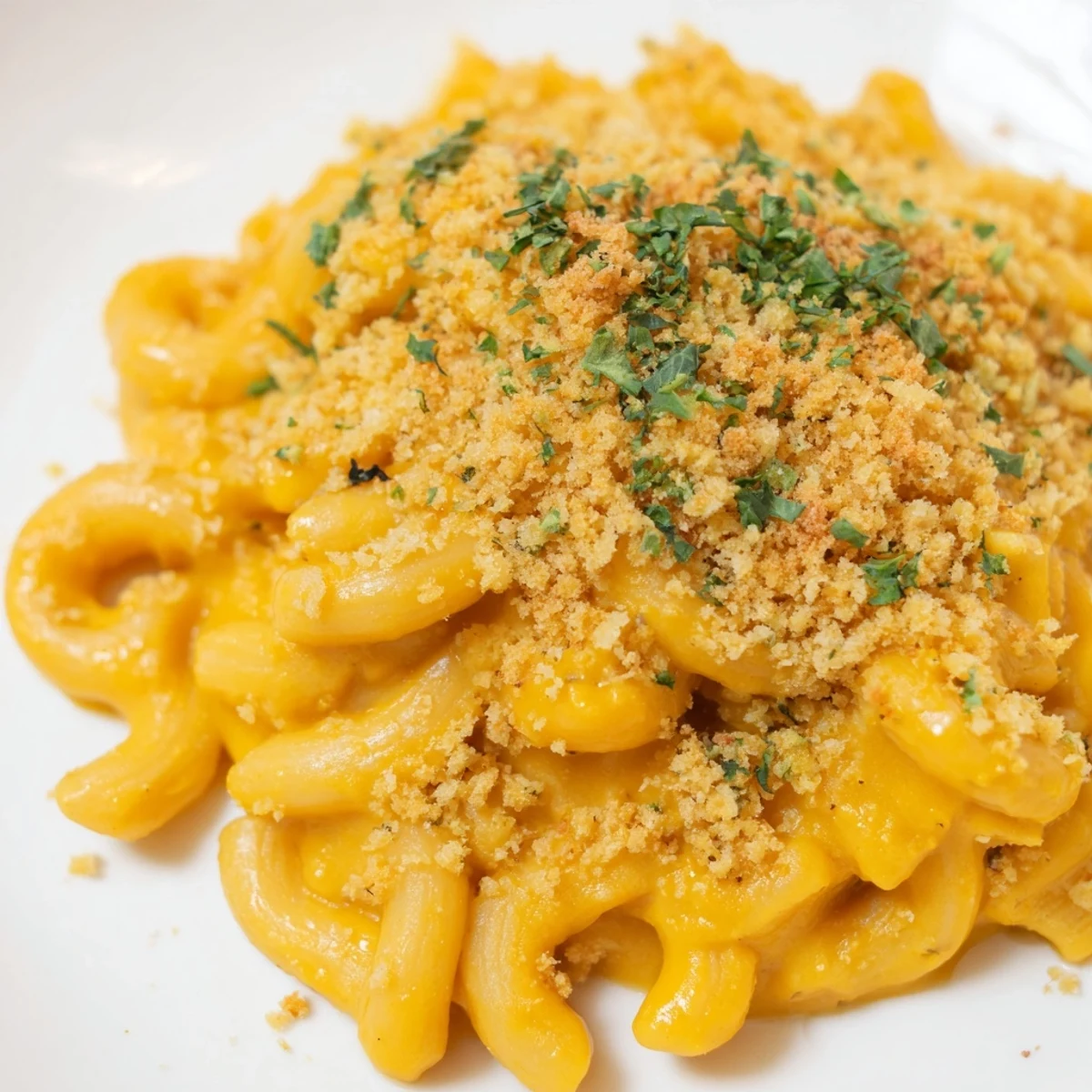
- If you want crunch, toss panko breadcrumbs with a tablespoon of olive oil and spread them over the pasta in an ovenproof dish, then broil for 2–3 minutes until golden brown. Watch carefully so they don't burn.
 Pin It
 I think the moment I knew this recipe was a keeper was when my roommate, who'd never eaten anything vegan before, served it to his parents without telling them what it was. They complimented the cheese sauce twice before he mentioned there was no dairy in sight.
Making It Your Own
This sauce is a canvas. Once you've made it once and understand how it works, you can start playing. I've stirred in sautéed mushrooms, added a handful of spinach at the end, and even mixed in some pan-fried chickpeas when I needed extra protein. The roasted butternut squash base is sturdy enough to hold up to additions without losing its identity.
Storage and Leftovers
Mac and cheese is one of those dishes that's almost better the next day, once everything has melded together and the flavors have deepened. Store it in an airtight container for up to four days—just add a splash of plant milk and reheat gently on the stovetop or in a low oven so it doesn't dry out.
Scaling and Serving
This recipe happily doubles or halves depending on how many people you're feeding. I've made single servings in a small pot for quiet nights at home, and I've tripled it for dinner parties where people came for the salad but stayed for the mac and cheese. It's also excellent as a side dish at potlucks—just reheat it in a slow cooker set to low.
- Pair it with a crisp green salad and a dry white wine, or serve it alongside roasted broccoli for extra vegetables.
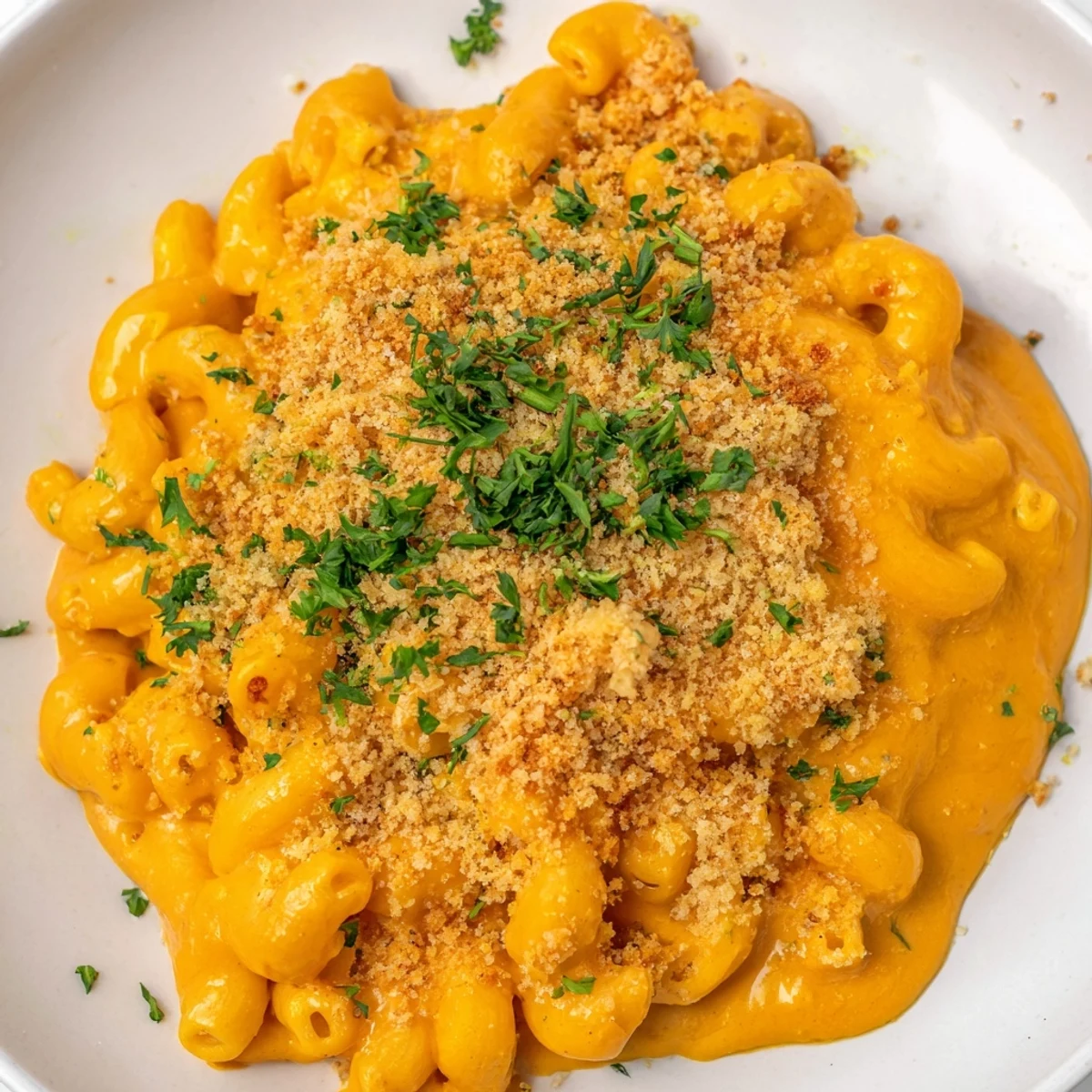
- If you're feeling fancy, top each bowl with a small handful of fresh parsley or a crack of red pepper flakes right before serving.
- Leftovers warm up beautifully in the oven at 175°C for about 15 minutes covered with foil, or on the stovetop over low heat with a little extra plant milk.
 Pin It
 Comfort food doesn't need to be complicated or apologetic. This dish is a reminder that the best meals are the ones that make people happy, and that sometimes the most unexpected ingredients create something unforgettable.
Common Questions
- → How do I roast the butternut squash properly?
-
Peel and cube the squash, then toss with olive oil, salt, and pepper. Roast at 200°C (400°F) for 25 minutes until tender and slightly caramelized.
- → Can I substitute the pasta used in this dish?
-
Yes, elbow macaroni or small pasta shells work well. Gluten-free pasta can be used for dietary needs.
- → What gives the sauce its cheesy flavor without dairy?
-
Nutritional yeast provides a savory, cheesy taste, combined with lemon juice and Dijon mustard to enhance flavor depth.
- → Is the smoked paprika essential for the sauce?
-
While optional, smoked paprika adds a subtle smoky note that complements the sweetness of the squash and richness of the sauce.
- → How can I add texture to the dish?
-
Sprinkling panko breadcrumbs mixed with olive oil on top and broiling briefly creates a crispy, golden crust.
- → Are there easy ways to increase protein content?
-
You can stir in cooked green peas or sautéed plant-based sausage for extra protein and added flavor.
