
 Pin It
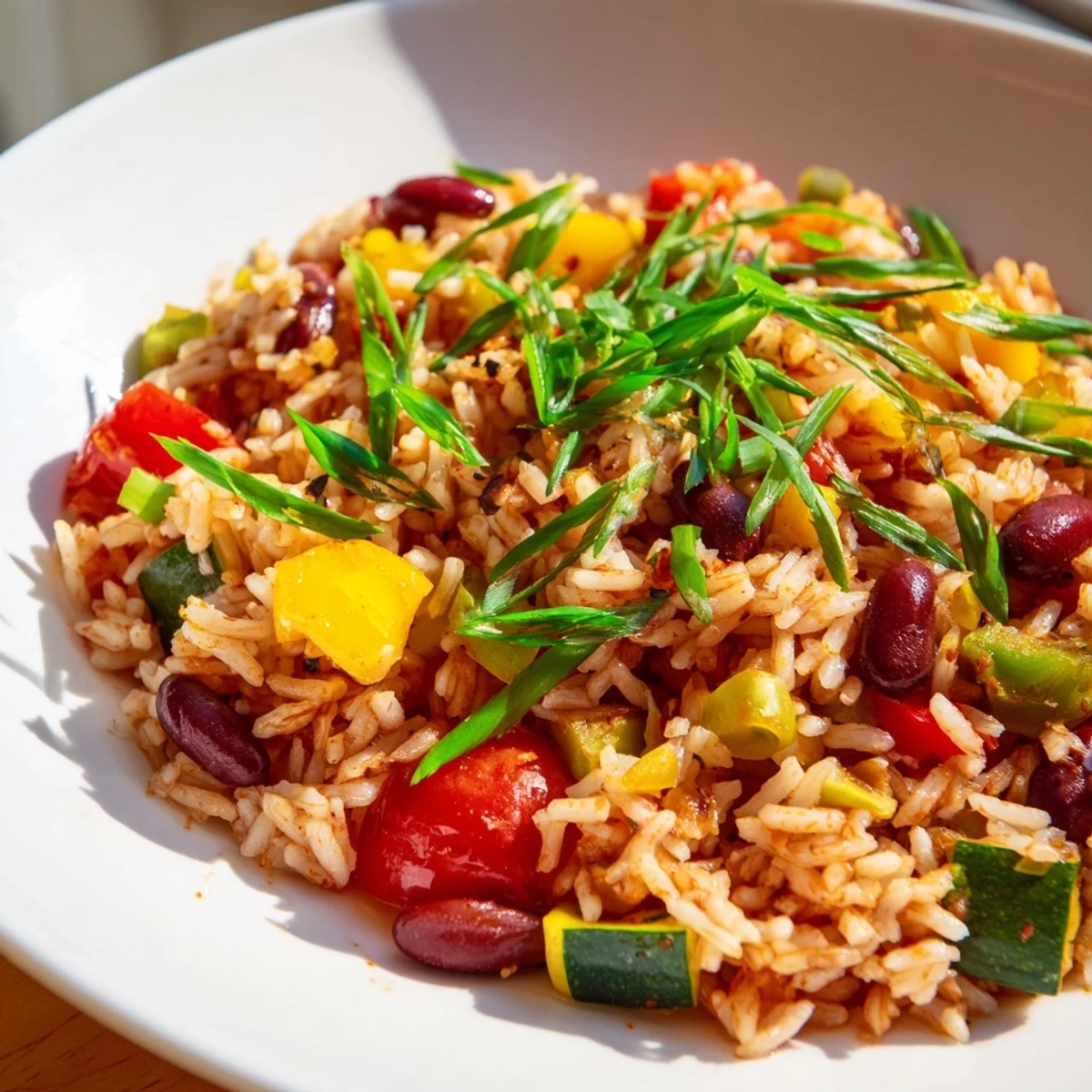
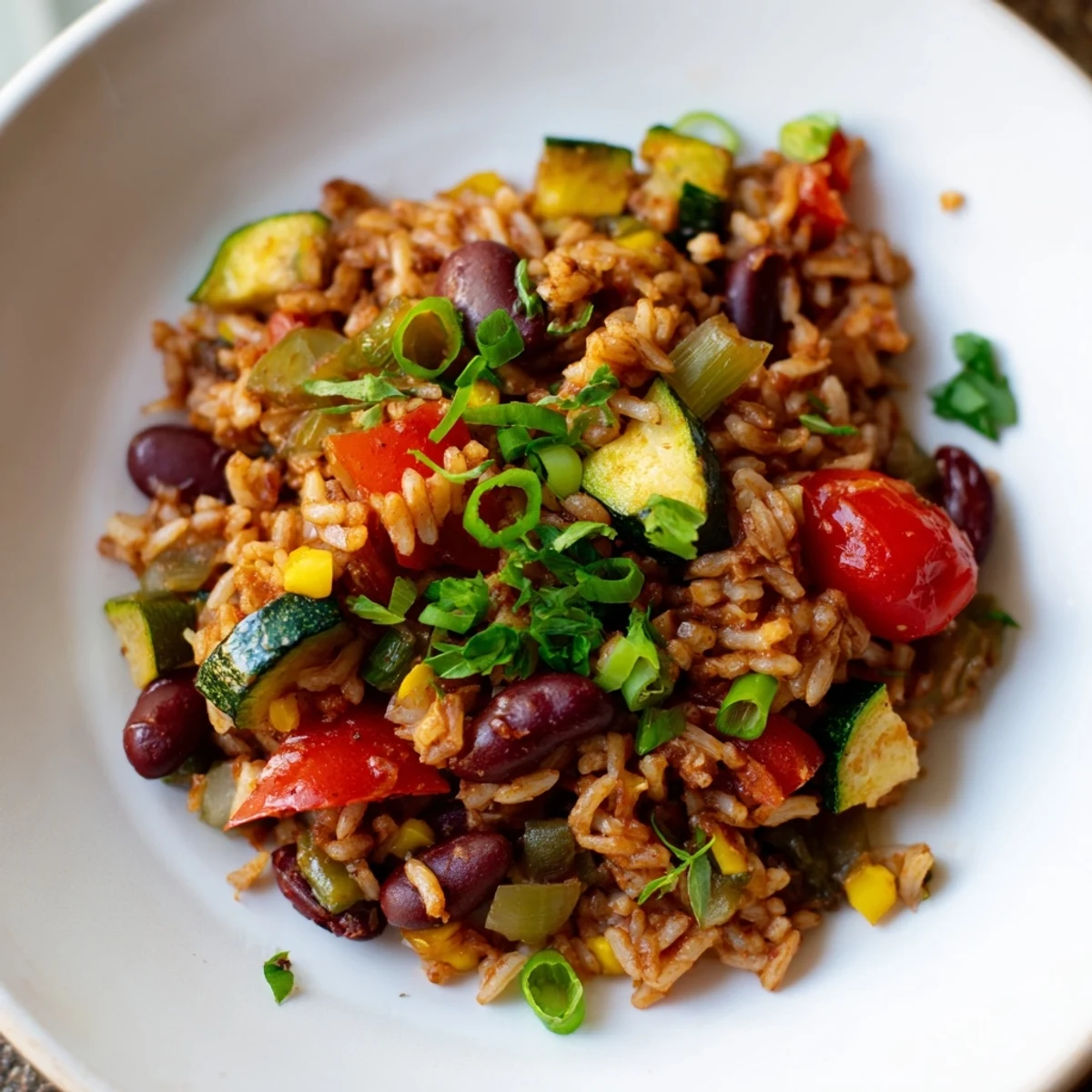
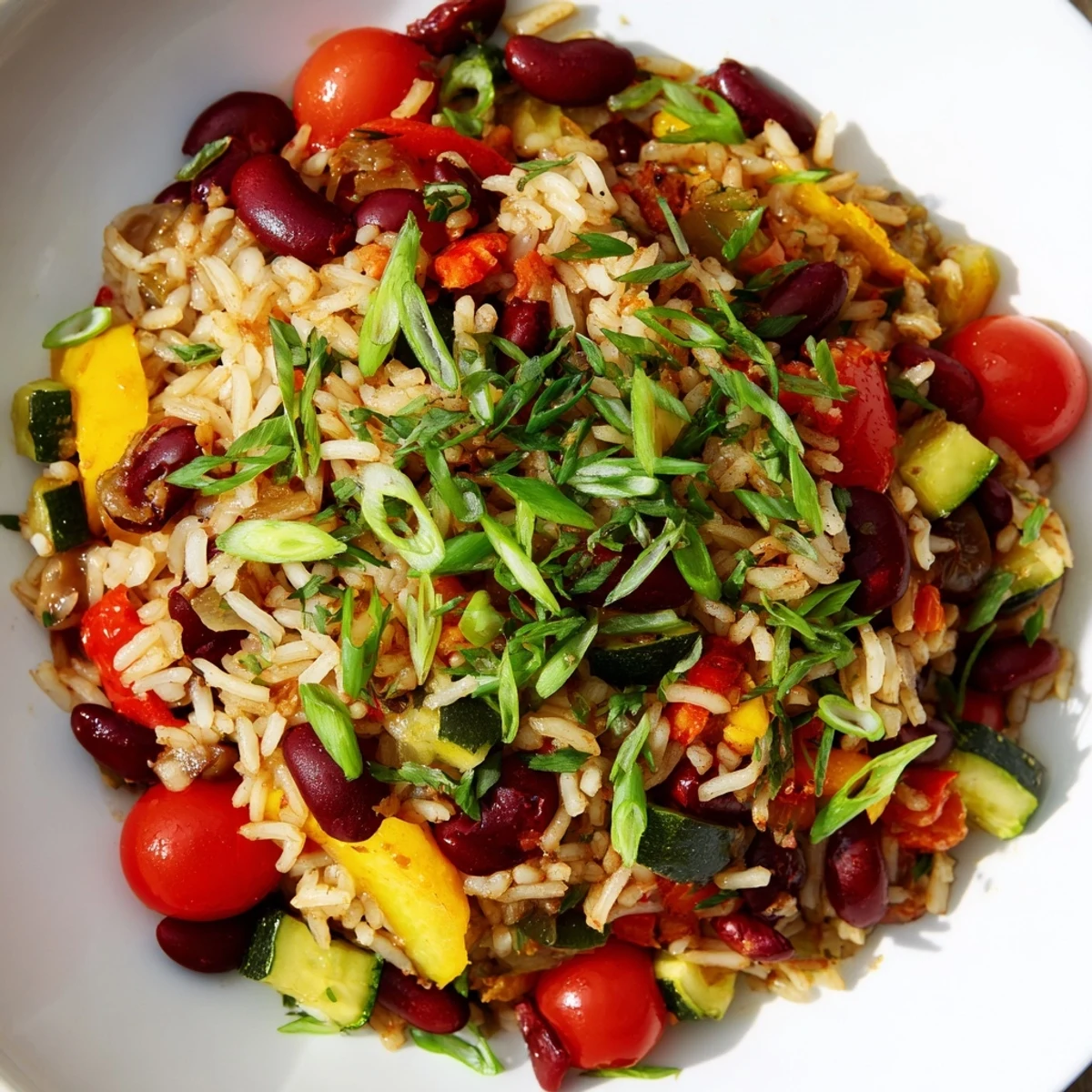
 This vibrant Mardi Gras jambalaya features a delightful medley of sautéed vegetables like bell peppers, celery, and zucchini, combined with hearty kidney and black beans. Seasoned with Cajun spices, smoked paprika, thyme, and oregano, it delivers a perfect balance of warmth and zest. Cooked with long-grain rice and vegetable broth, the dish simmers to a tender, flavorful finish, garnished with fresh green onions, parsley, and a squeeze of lemon for brightness. Ideal for festive occasions and satisfying plant-based dining.
The first time I made jambalaya, my tiny apartment smelled like a French Quarter kitchen for days. I hadnt intended to cook anything festive, but a winter storm kept me inside with a mismatched collection of vegetables and two cans of beans. That accidental creation became the blueprint for this Mardi Gras inspired dish that somehow manages to taste even better than it smells.
Last Fat Tuesday, I doubled this recipe for neighbors who had never tried Creole cooking. Watching them go back for third servings while debating whether cayenne or hot sauce deserved the honor was better than any parade I have ever attended. Now they ask for it every year, and I have learned to always make extra.
Ingredients
- 1 tablespoon olive oil: The foundation that carries all those spices through every vegetable
- 1 large yellow onion, diced: Sweet and essential, this builds the aromatic base
- 1 red bell pepper and 1 green bell pepper, diced: The holy trinity of Creole cooking needs both for color and subtle flavor differences
- 2 celery stalks, diced: Adds that crucial savory backbone people cannot quite identify
- 3 garlic cloves, minced: Fresh is non negotiable here, it blooms beautifully in the hot oil
- 1 medium zucchini, diced: Absorbs spices like a sponge and adds tender texture
- 1 cup cherry tomatoes, halved: They burst during cooking creating little pockets of brightness
- 1 (15 ounce) can red kidney beans and 1 (15 ounce) can black beans, drained and rinsed: The hearty protein that makes this satisfying without meat
- 1 1/2 cups long grain white rice, rinsed: Rinsing removes excess starch for perfectly separate grains
- 3 cups vegetable broth: Low sodium lets you control the salt level
- 1 tablespoon Cajun seasoning: The soul of the dish, invest in a quality blend
- 1 teaspoon smoked paprika: Adds that deep almost meaty richness
- 1/2 teaspoon dried thyme and 1/2 teaspoon dried oregano: Earthy herbs that round out the heat
- 1/4 teaspoon cayenne pepper: Optional, but I always add it for that authentic Creole kick
- Salt and black pepper: Taste as you go, the beans add their own subtle saltiness
- 2 green onions, sliced and 2 tablespoons fresh parsley, chopped: Fresh garnish that cuts through the richness
- Lemon wedges: A squeeze at the end wakes up every single spice
Instructions
- Build your flavor foundation:
- Heat olive oil in a large heavy bottomed pot or Dutch oven over medium heat. Add onion, bell peppers, and celery, sautéing for 5 to 6 minutes until softened and fragrant. Stir in garlic and cook for just 1 minute until it becomes aromatic, being careful not to burn it.
- Add the vegetables and toast the spices:
- Mix in zucchini and cherry tomatoes, cooking for another 3 to 4 minutes until tomatoes start to release their juices. Sprinkle in Cajun seasoning, smoked paprika, thyme, oregano, cayenne, salt, and pepper, stirring well to coat every vegetable in that gorgeous spice blend.
- Toast the rice and simmer:
- Add rice to the pot, stirring for 1 minute to toast slightly and help the grains stay separate. Pour in vegetable broth, kidney beans, and black beans, stirring to combine everything. Bring to a boil, then reduce heat to low, cover, and simmer for 20 minutes until rice is tender and liquid is absorbed.
- Rest and finish:
- Remove from heat and let stand, covered, for 5 minutes. This crucial step lets the rice finish cooking evenly. Fluff with a fork, taste and adjust seasonings, then garnish with green onions, parsley, and lemon wedges for squeezing over each portion.
 Pin It
 My vegetarian friend cried when she tasted this, not because it was sad, but because she never thought she would enjoy jambalaya again after giving up meat. Something about the way smoked paprika and beans mimic that deep satisfying richness made her feel at home in her own kitchen again.
Making It Your Own
I have learned that the best jambalaya adapts to whatever the season brings. Summer versions get extra corn and fresh herbs, while winter batches welcome butternut squash and kale. The spice framework stays consistent, but the vegetables can shift with your farmers market haul.
Serving Suggestions
This rice dish stands alone proudly, but a simple green salad with sharp vinaigrette cuts through the richness beautifully. Cornbread or crusty bread helps scoop up every last spice flecked bite. For parties, set out hot sauce options and let guests customize their heat level.
Storage And Reheating
The flavors meld beautifully overnight, making this ideal for meal prep. Store in airtight containers for up to five days in the refrigerator or freeze for up to three months. Reheat with a splash of water or broth to refresh the texture.
- Sprinkle fresh parsley before reheating to revive the bright flavors
- A squeeze of fresh lemon transforms leftovers into something special again
- Reheat gently to prevent the rice from becoming mushy
 Pin It
 Whether you are celebrating Mardi Gras or just Tuesday, this jambalaya brings the party to your table every single time.
Common Questions
- → What vegetables are used in this dish?
-
This dish includes yellow onion, red and green bell peppers, celery, garlic, zucchini, and cherry tomatoes.
- → Can I substitute the rice type in this dish?
-
Yes, brown rice can be used, but you’ll need to increase the broth volume and cooking time accordingly.
- → What spices give this dish its flavor?
-
The flavor comes from Cajun seasoning, smoked paprika, dried thyme, oregano, and a touch of cayenne pepper.
- → Is this meal suitable for vegan diets?
-
Yes, it is completely plant-based and free from animal products, fitting vegan and vegetarian diets.
- → How can I add extra heat if desired?
-
Adding cayenne pepper, hot sauce, or a few dashes of liquid smoke can boost the spiciness.
