
 Pin It
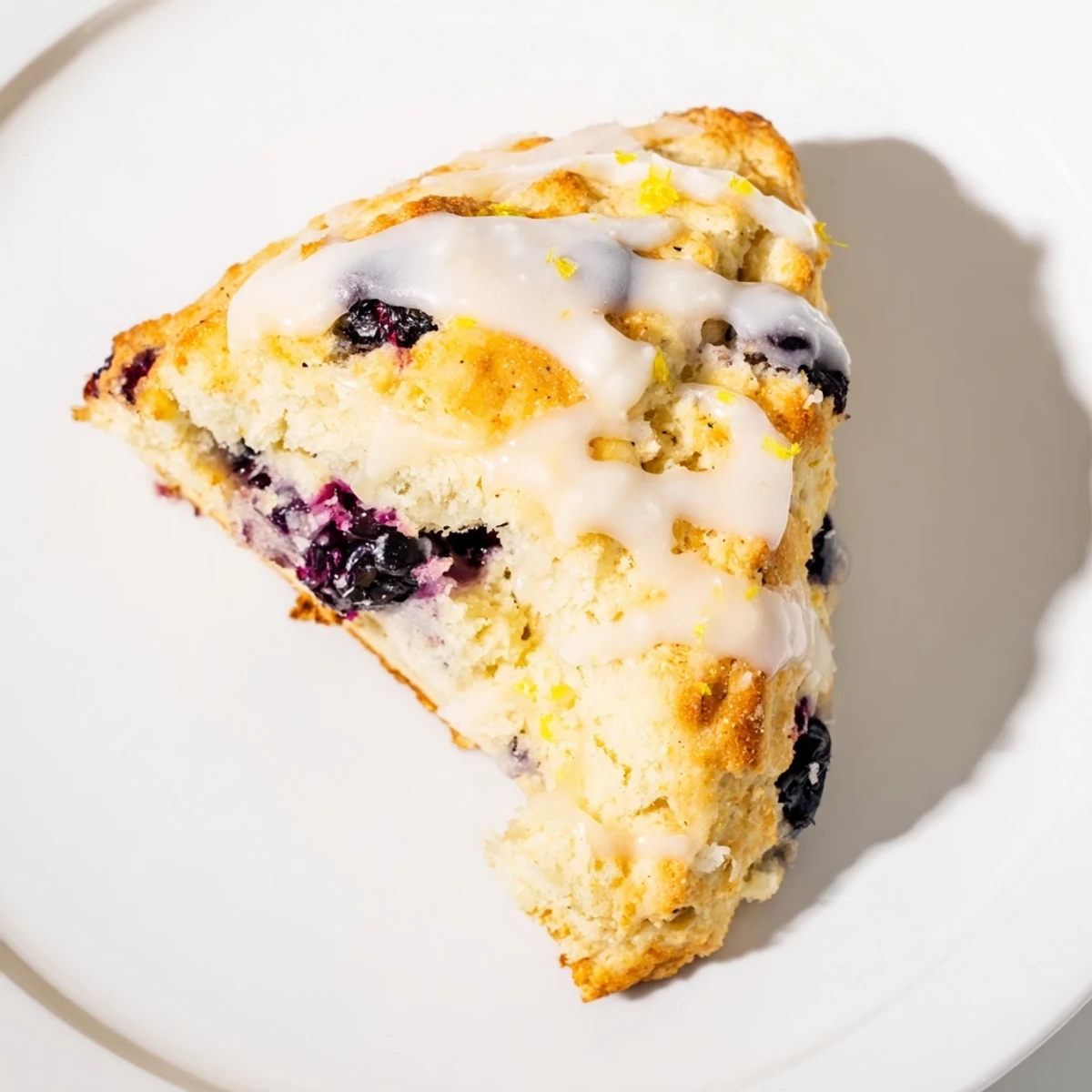
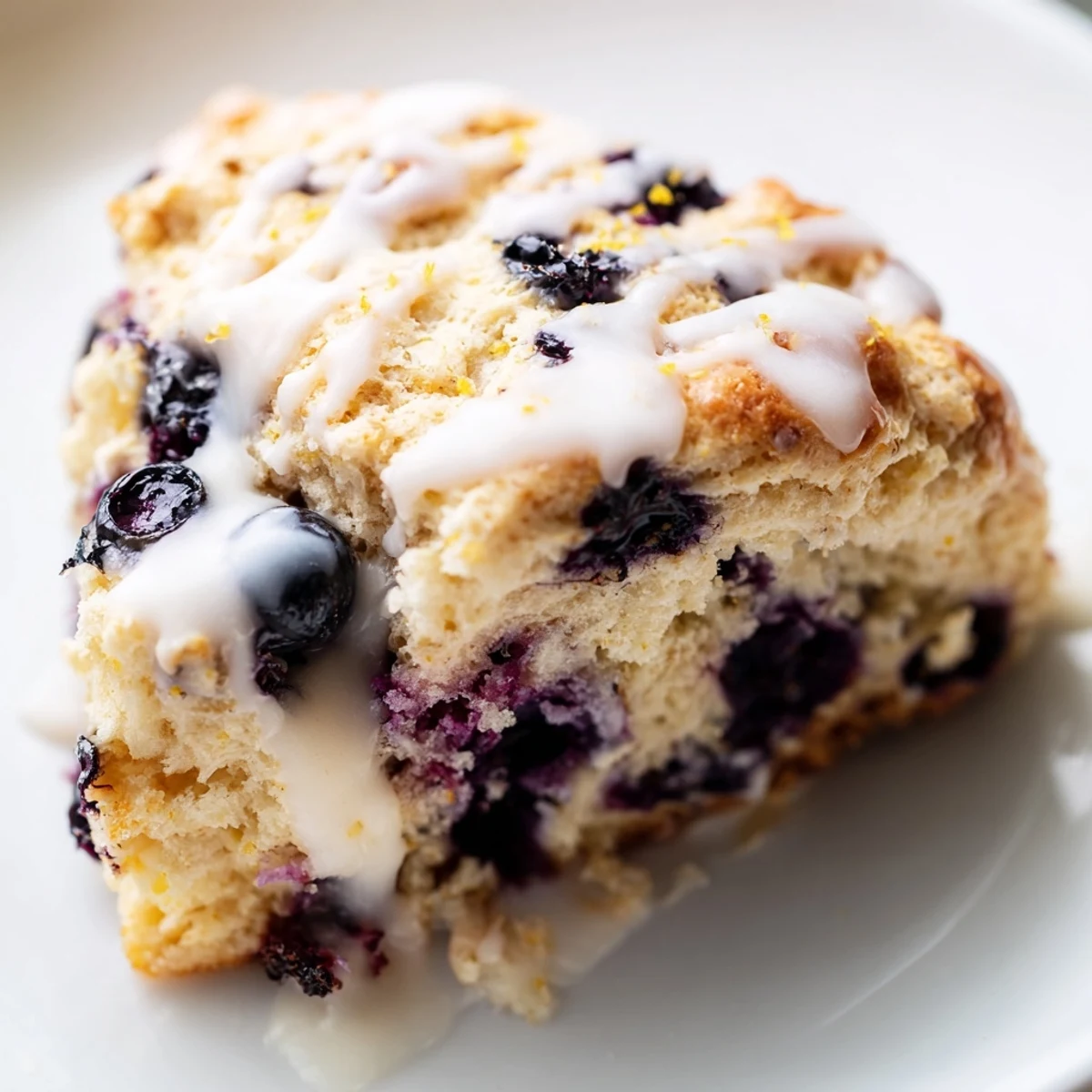
 These lemon blueberry scones offer a tender, flaky texture infused with fresh lemon zest and juicy blueberries. Cold butter is cut into flour to create delicate crumbs, while a vanilla-scented glaze adds a sweet finish. Ideal for breakfast or afternoon tea, they bake quickly at 400°F until golden. Serve fresh or enjoy with tea or sparkling wine.
Using frozen blueberries prevents color bleed, and adding poppy seeds can add a subtle crunch. The scones are rich yet balanced by the bright citrus and smooth vanilla glaze, perfect for sharing or a cozy treat.
There's something about the smell of lemon zest hitting warm butter that stops me mid-morning and reminds me why I bake. These scones came about on a Tuesday when I had a bag of blueberries going soft and an inexplicable craving for something bright and buttery. The first batch nearly fell apart in my hands—I'd been too enthusiastic with the mixing—but the second try taught me the quiet art of restraint, and that's when these tender, golden wedges finally showed up as they should.
I made these for my neighbor one Saturday morning, still in my kitchen clothes, and she ate two warm ones right there with her coffee before I even got the glaze on. That's when I knew they were worth repeating.
Ingredients
- All-purpose flour (2 cups): The foundation that keeps everything tender—don't sift unless you love dense scones.
- Granulated sugar (1/3 cup): Just enough sweetness to balance the lemon's sharp edge.
- Baking powder and baking soda (2 tsp and 1/2 tsp): The lift that makes these light, so don't skip measuring them.
- Salt (1/2 tsp): Tiny but mighty—it wakes up the lemon flavor.
- Lemon zest (from 1 large lemon): This is where the magic lives; use a microplane and don't be stingy.
- Cold unsalted butter (1/2 cup, cubed): Cold is non-negotiable here—it creates those little pockets that make scones flaky.
- Heavy cream (2/3 cup, cold): The secret to tender scones, better than milk or buttermilk.
- Egg and vanilla extract (1 large egg plus 1 tsp): They bind everything and add richness you'll taste in every bite.
- Fresh or frozen blueberries (1 cup): Use frozen straight from the freezer to keep them whole and beautiful.
- Powdered sugar (1 cup, sifted): For the glaze that makes them look like they came from a shop window.
- Milk or cream (2 tbsp) and vanilla extract (1/2 tsp): The glaze base—thin enough to drizzle, thick enough to cling.
Instructions
- Get the oven ready:
- Heat to 400°F and line your baking sheet with parchment—this prevents the bottoms from browning too fast.
- Build the dry mix:
- Whisk flour, sugar, baking powder, baking soda, salt, and lemon zest in a large bowl. The zest should be evenly distributed so every scone gets that bright lemon hit.
- Cut in the butter:
- Add cold butter cubes and work them in with a pastry blender (or your fingertips if you're patient) until the mixture looks like breadcrumbs. This step is where the flakiness begins, so don't rush it into a paste.
- Combine the wet ingredients:
- Whisk heavy cream, egg, and vanilla in a separate bowl until smooth.
- Bring it together gently:
- Pour the wet mixture into the dry and stir just until combined—this is where most people fail by overmixing. Stop as soon as you don't see dry flour; a few lumps are your friend here.
- Add the blueberries:
- Use a spatula to fold them in carefully so they stay whole and don't crush or bleed into the dough.
- Shape the dough:
- Turn it onto a lightly floured surface and gently pat it into a circle about 7 inches wide and 3/4 inch thick. Don't knead or work it hard.
- Cut into wedges:
- Use a sharp knife to cut the circle into 8 wedges, like a pie, and transfer each to your parchment-lined sheet.
- Brush the tops:
- Give each scone a light brush of heavy cream—this is what makes them golden and shiny in the oven.
- Bake until golden:
- Bake 18 to 20 minutes, watching until the tops turn a deep golden brown. Your kitchen will smell unforgettable.
- Cool and glaze:
- Let them rest on a wire rack, then whisk powdered sugar, milk, and vanilla until smooth and drizzle generously over the cooled scones.
 Pin It
 There was a moment on a rainy Sunday when my daughter asked why they tasted better than the ones we bought, and I realized it wasn't about the ingredients at all—it was about having someone to share them warm. That's when food stopped being a task and became a small, buttery joy.
The Texture Secret
The difference between a dense brick and a light, crumbly scone comes down to one thing: respecting the butter. When you cut cold butter into flour, you're creating tiny pockets of fat that steam during baking and create little air gaps. Rush it or use warm butter and those pockets collapse. Your hands are warm, so work quickly and keep everything as cold as possible—even chill your bowl and tools for 10 minutes if it's a hot day.
Flavor Layering
Lemon zest is vibrant but can fade into the background if you don't add salt, which is why that 1/2 teaspoon is so important. The salt doesn't make them salty; it makes the lemon pop and the butter taste richer. If you want even more brightness, add an extra 1/4 teaspoon of zest or a tiny splash of lemon juice to the glaze instead of milk.
Make Them Ahead
You can freeze unbaked scones on a tray, then transfer to a freezer bag and bake directly from frozen, adding 2 or 3 minutes to the bake time. Already-baked scones freeze beautifully for up to 2 months—just glaze them before serving or skip the glaze and let them reheat with a little warmth and moisture, and they taste nearly fresh again.
- Bake frozen scones straight from the freezer without thawing—cold dough bakes better and stays lighter.
- Store unbaked scones in the freezer and you've got fresh-baked breakfast whenever nostalgia strikes.
- Day-old scones reheat gently in a 300°F oven wrapped loosely in foil for about 8 minutes.
 Pin It
 These scones are best eaten warm on the day they're made, but they also remind you that good baking doesn't have to be complicated—just cold butter, a light touch, and lemon zest. That's enough.
Common Questions
- → How do I keep the scones tender?
-
Use cold butter cut into the flour and avoid overmixing the dough to maintain a tender, flaky texture.
- → Can I use frozen blueberries?
-
Yes, frozen blueberries can be used directly from the freezer to prevent their juices from bleeding into the dough.
- → What is the purpose of the vanilla glaze?
-
The vanilla glaze adds a sweet, smooth finish that complements the citrus and berry flavors perfectly.
- → Can these scones be made dairy-free?
-
Substituting plant-based cream and butter allows for a lactose-free adaptation while maintaining the texture.
- → How should the scones be stored?
-
Enjoy them fresh the same day or freeze unglazed scones for up to two months, glazing after reheating.
