
 Pin It
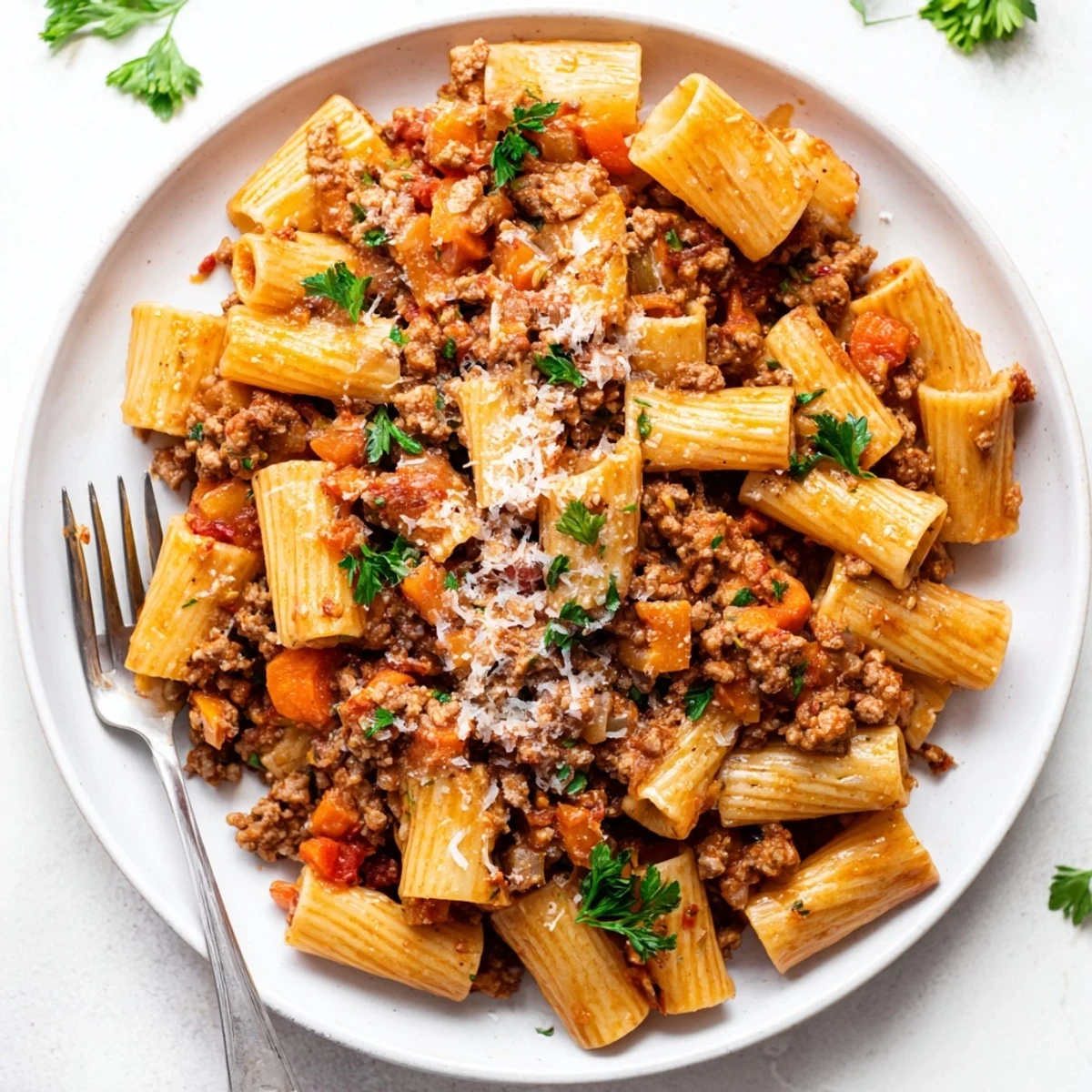
 This Turkey Bolognese transforms the classic Italian meat sauce into a lighter, leaner version without sacrificing flavor or heartiness. Ground turkey creates a protein-rich base, while the traditional sofritto of onions, carrots, and celery builds depth.
The sauce simmers with crushed tomatoes, white wine, and aromatic herbs including oregano, basil, and thyme. After an hour of cooking, the flavors meld into a thick, rich coating perfect for your favorite pasta or zucchini noodles.
Finish with fresh herbs and Parmesan for an authentic Italian-American dinner that's both wholesome and satisfying.
Last winter, my sister came over complaining that everything felt too heavy after the holidays, so I improvised this lighter Bolognese with ground turkey. We were both skeptical that turkey could stand up to the long simmering time, but the way it absorbed all those herbs and wine changed our minds completely. Now its the sauce I make when I want something comforting but not weighing me down for days.
I made this for a dinner party once when two guests were watching their red meat intake, and honestly everyone went back for seconds. One friend even asked for the recipe before leaving, saying she couldnt believe how satisfying it felt without that post pasta coma. Thats when I knew this wasnt just a compromise dish but something genuinely delicious on its own terms.
Ingredients
- 1 lb ground turkey: Lean turkey keeps the sauce lighter while still providing enough substance to stand up to long simmering, and it absorbs flavors beautifully
- 1 medium onion, 2 carrots, 2 celery stalks: This classic soffritto base builds that essential Italian foundation, so take your time chopping everything evenly
- 3 garlic cloves, minced: Fresh garlic matters more here than in beef ragu since the turkey has a milder flavor profile
- 1/2 cup dry white wine: The wine adds brightness and depth that cuts through the tomato acidity, so use something you would actually drink
- 1 can crushed tomatoes: Whole tomatoes crushed by hand give a better texture than pre crushed, which can taste too uniform
- 1/2 cup chicken or vegetable broth: This keeps the sauce from becoming too thick and adds another layer of savory depth
- 2 tbsp tomato paste: Concentrated tomato paste intensifies the sauce without making it overly acidic, which is crucial with lighter meat
- 1 tsp each dried oregano, basil, plus 1/2 tsp thyme: Dried herbs actually work better than fresh here since they hold up through the long cooking time
- 1/2 tsp crushed red pepper flakes: Just enough warmth to make things interesting without overpowering the subtle turkey flavor
- Salt and black pepper: Taste as you go since turkey needs more seasoning than beef to reach the same flavor depth
- 2 tbsp olive oil: Starting with good olive oil builds the flavor base from the very first minute
- Fresh parsley or basil and Parmesan: These finishing touches transform it from good sauce to something truly special
Instructions
- Build your flavor foundation:
- Heat olive oil in a large skillet over medium heat, then add your onion, carrot, and celery, letting them soften slowly for 6 to 8 minutes until they are fragrant and starting to turn golden at the edges
- Wake up the garlic:
- Stir in the minced garlic and cook for just one minute until you can smell it, watching carefully so it does not burn
- Brown the turkey thoroughly:
- Add the ground turkey, breaking it up with your spoon, and cook for 6 to 8 minutes until completely browned with no pink remaining
- Let the wine work its magic:
- Pour in the white wine and let it bubble away for 2 to 3 minutes until mostly evaporated, leaving behind all that wonderful flavor
- Bring it all together:
- Stir in the tomato paste, crushed tomatoes, and broth until everything is well combined
- Add the herbs and season:
- Sprinkle in the oregano, basil, thyme, red pepper flakes if using, and salt and pepper
- Let it simmer slowly:
- Bring to a simmer, then reduce heat to low and cook uncovered for 30 to 35 minutes, stirring occasionally until the sauce thickens and all those flavors have time to become friends
- Final adjustment:
- Taste and add more salt or pepper if needed, then serve hot over pasta or zucchini noodles with fresh herbs and Parmesan
 Pin It
 Last week my roommate walked in while this was simmering and immediately asked what smelled so incredible. She ended up eating it straight from the pot with a spoon while waiting for her pasta water to boil. Some sauces are just that good on their own.
Making It Your Own
Sometimes I add diced bell peppers or mushrooms with the onions if I want to bulk up the vegetables without changing the character of the sauce. The mushrooms especially add a savory depth that complements the turkey beautifully.
Pasta Pairings
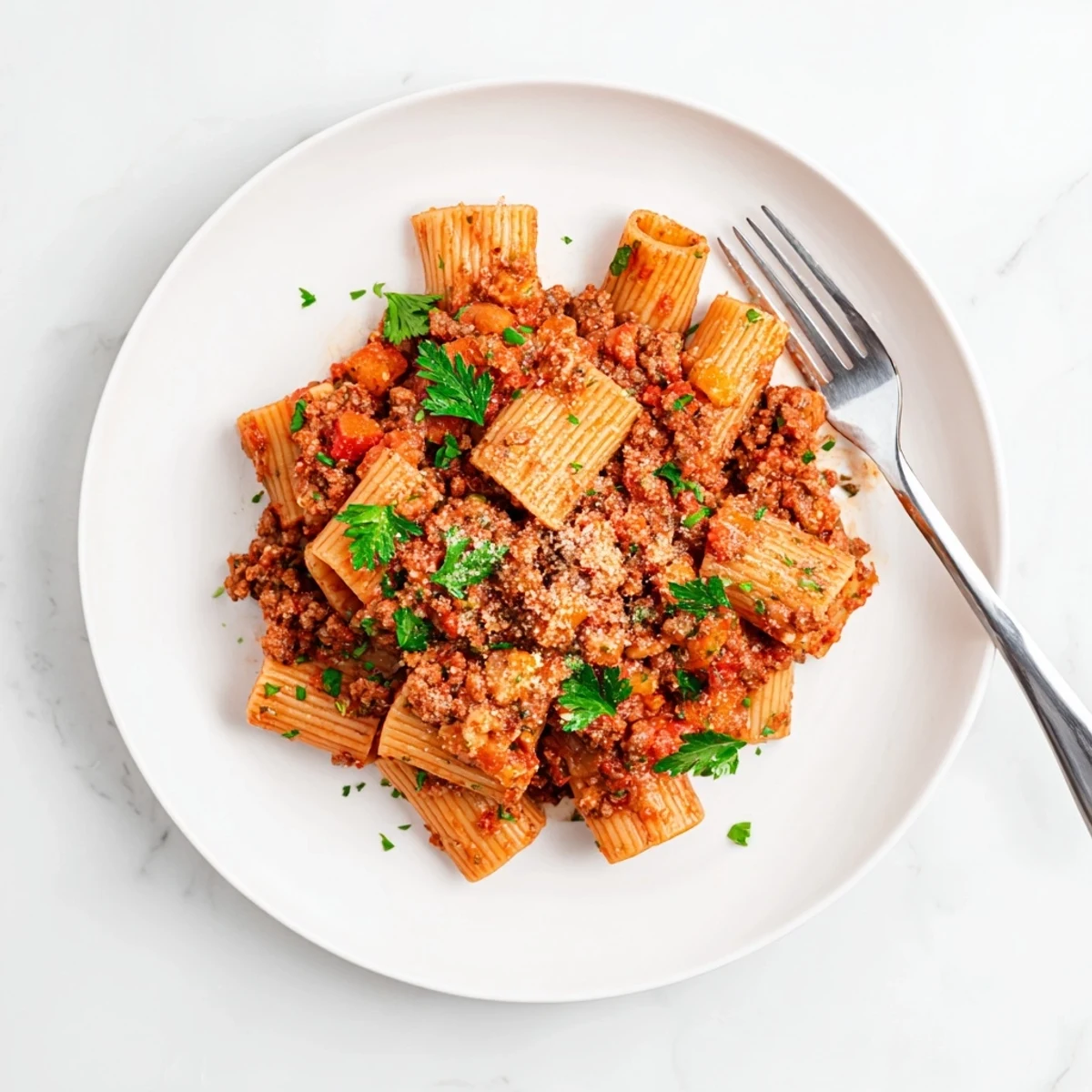
This sauce clings beautifully to spaghetti or penne, but I have also served it over polenta for something different. The creaminess of polenta with the bright tomato flavors is unexpectedly perfect.
Storage and Leftovers
This sauce keeps beautifully in the refrigerator for up to four days and actually improves as the flavors continue to develop. It also freezes well for those nights when cooking feels impossible.
- Let the sauce cool completely before storing to prevent condensation
- Freeze in portions so you can thaw only what you need
- Reheat gently with a splash of broth to loosen it up
 Pin It
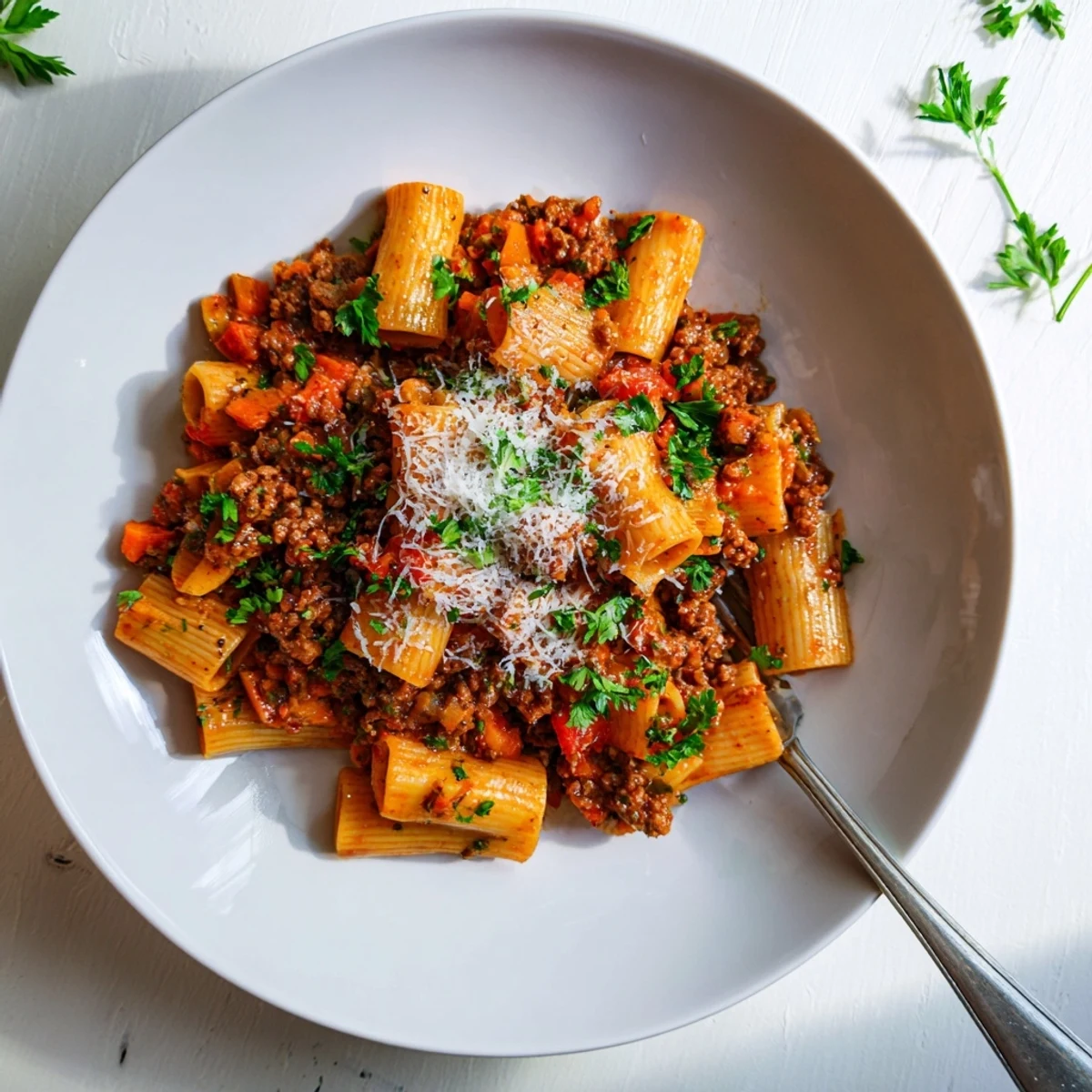
 There is something deeply satisfying about a recipe that feels indulgent while still being light enough to enjoy any night of the week. This Turkey Bolognese has become that sauce in my kitchen, the one I turn to when I want comfort without compromise.
Common Questions
- → Is Turkey Bolognese healthier than traditional beef?
-
Yes, turkey Bolognese typically contains less fat and fewer calories than beef versions while still providing excellent protein content. The lean ground turkey creates a lighter sauce without sacrificing heartiness or flavor.
- → Can I freeze Turkey Bolognese?
-
Absolutely. This sauce freezes beautifully for up to 3 months. Cool completely before transferring to airtight containers or freezer bags. Thaw overnight in the refrigerator and reheat gently on the stovetet.
- → What pasta works best with this sauce?
-
Wide noodles like tagliatelle, pappardelle, or fettuccine capture the sauce beautifully. Penne or rigatoni also work well as the ridges hold the thick sauce. For a low-carb option, zucchini noodles or spaghetti squash make excellent bases.
- → How long should I simmer the sauce?
-
Simmer for at least 30-35 minutes after adding the tomatoes. For even deeper flavor, you can cook it longer—up to 2 hours—on very low heat, stirring occasionally and adding small amounts of broth if it becomes too thick.
- → Can I make this dairy-free?
-
Yes, simply omit the Parmesan cheese garnish. The sauce itself contains no dairy products. Always check your broth label to ensure it's dairy-free if that's a concern for your dietary needs.
- → What can I substitute for white wine?
-
Use additional broth, red wine for a deeper flavor, or even water with a splash of vinegar. The wine adds acidity and complexity, but the sauce remains delicious without it.
