
 Pin It
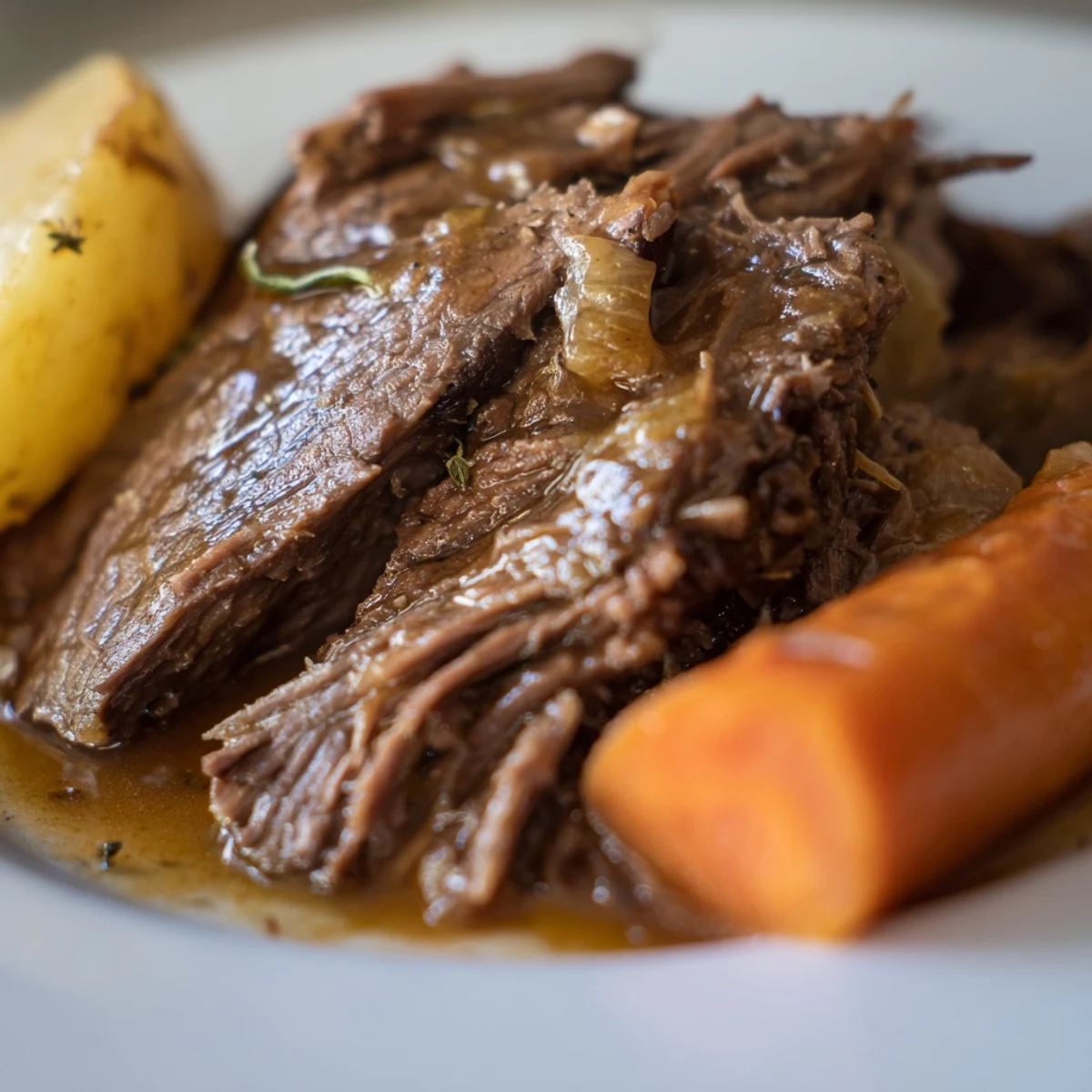
 This slow-cooked beef chuck roast is seared to lock in juices before simmering alongside carrots, potatoes, celery, and aromatic herbs. Cooked low and slow for 8 hours, the beef becomes fork-tender and infused with savory flavors from garlic, thyme, rosemary, and bay leaves. The vegetables absorb the rich broth, making for a comforting and satisfying meal that’s perfect for family gatherings or cozy dinners. Enhance with red wine or swap veggies to customize.
There's something about the smell of a roast beef cooking low and slow that fills a kitchen with pure comfort. My grandmother used to start hers on Sunday morning, and by afternoon, the whole house smelled like home. I learned from her that the best meals aren't rushed, they're built on patience and a few good ingredients left to work their magic. This slow cooker version captures that exact feeling, with beef so tender it falls apart at the touch of a fork.
I made this for my sister's family one cold November evening, and I'll never forget how her kids actually asked for seconds. They were used to quick weeknight meals, but something about this slow-cooked roast made everyone slow down and linger at the table. That's when I realized this wasn't just dinner, it was an excuse to gather.
Ingredients
- Beef chuck roast (1.5 kg or 3.3 lbs): This cut has the right marbling and connective tissue to break down beautifully over hours in the slow cooker, creating that signature tender texture.
- Olive oil (1 tbsp): Just enough to get a good sear on the beef, which builds flavor before everything goes into the slow cooker.
- Carrots, potatoes, celery, and onion: These vegetables soften into the cooking liquid and become part of the dish, not just side decoration.
- Garlic cloves (3, minced): Fresh garlic melts into the broth and gives the whole pot a subtle savory backbone.
- Beef broth (2 cups or 500 ml): This is your base liquid; use gluten-free if that matters for your table, and don't skip the quality here.
- Worcestershire sauce (1 tbsp): A splash of this adds depth and umami that makes people wonder what your secret ingredient is.
- Salt (2 tsp) and black pepper (1 tsp): Season generously because these flavors need to stand up to eight hours of cooking.
- Dried thyme and rosemary (1 tsp each): Dried herbs work perfectly in slow cooking, unfolding their flavor slowly into the pot.
- Bay leaves (2): Don't forget these, and remember to fish them out before serving.
Instructions
- Dry and season your beef:
- Pat the roast completely dry with paper towels, then coat all sides generously with salt and pepper. This step matters because moisture prevents browning, and browning creates flavor.
- Sear it until golden:
- Heat olive oil in a large skillet over medium-high heat until it shimmers, then carefully place the roast down and let it sit for two to three minutes per side without moving it around. You're building a flavorful crust that will anchor the whole dish.
- Build your vegetable foundation:
- Spread the chopped carrots, potatoes, celery, and onion across the bottom of your slow cooker. These vegetables will cushion the roast and release their flavors into the liquid as everything cooks together.
- Layer in the beef and seasonings:
- Place your seared roast on top of the vegetables, then scatter minced garlic, thyme, rosemary, and bay leaves over the top. The aromatics will infuse downward and sideways as steam circulates.
- Add the liquid:
- Pour the beef broth and Worcestershire sauce over and around the roast, making sure liquid comes partway up the sides. This becomes your gravy.
- Let time do the work:
- Cover the slow cooker and set it to LOW for eight hours. Resist the urge to lift the lid and peek; every time you do, you're letting heat escape and adding minutes to the cooking time.
- Finish and serve:
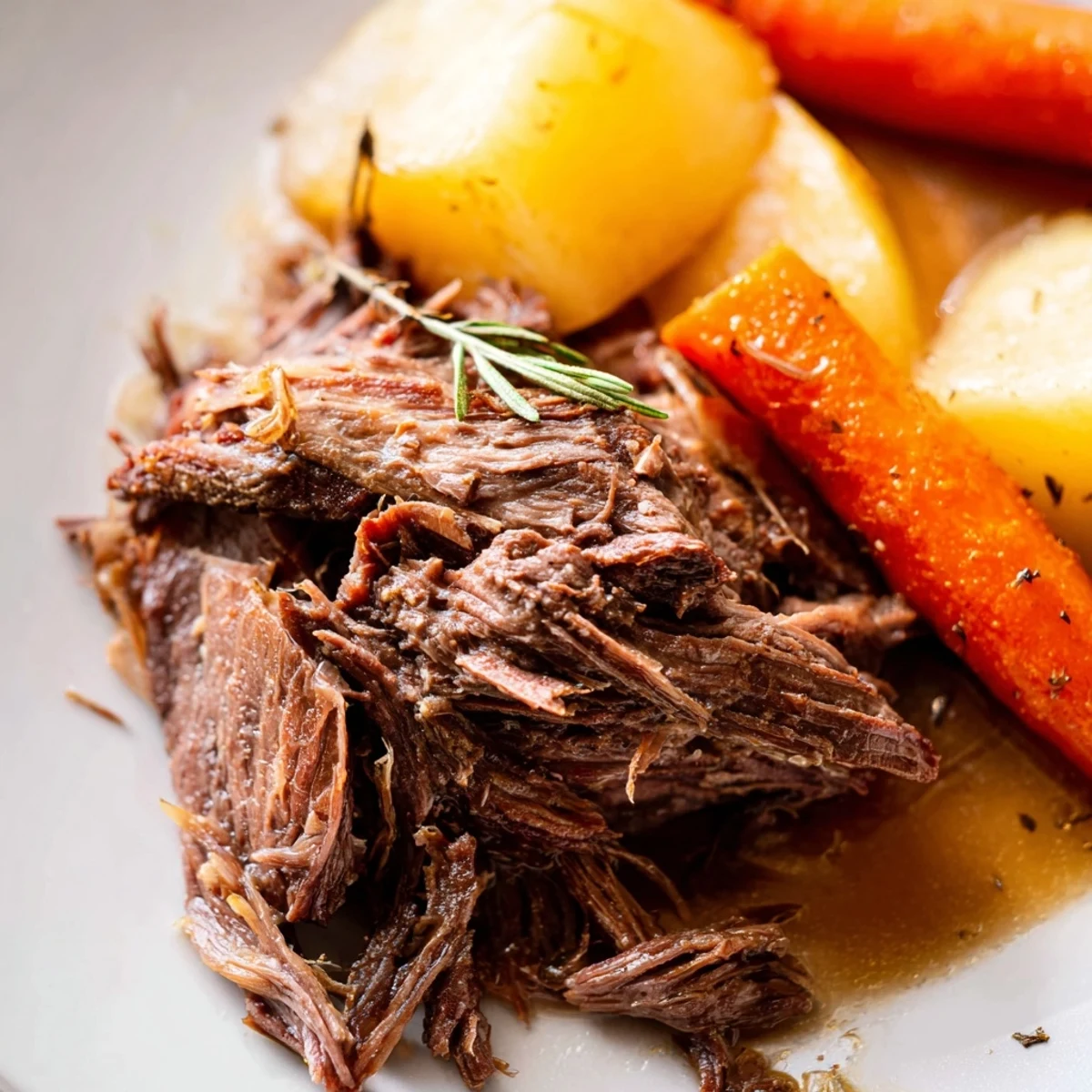
- When the beef shreds easily with a fork and the vegetables are completely tender, remove the bay leaves carefully. Shred or slice the beef depending on your preference, then serve it with the vegetables and cooking liquid spooned over the top.
 Pin It
 I learned that this dish is forgiving in the best ways. Once I accidentally left it cooking for nine hours because I lost track of time, and it turned out even better, with the vegetables completely melting into the broth. That moment taught me to trust the process and stop worrying so much about hitting the exact timing.
Why This Cut of Beef Matters
Chuck roast has intramuscular fat and connective tissue that transforms into gelatin when cooked low and slow, creating that signature melt-in-your-mouth texture you can't fake with a leaner cut. When I first started making roasts, I used more expensive cuts thinking they'd be better, but they turned out dry and disappointing. Chuck is actually the hero cut for slow cooking, and it's usually a fraction of the price.
The Vegetables Do More Than You Think
Those carrots, potatoes, and onions aren't just there to fill space on the plate. As they cook, they release their natural sugars and starches into the liquid, thickening it into a natural gravy while the beef's juices blend with the broth into something rich and cohesive. I once made this with premade mashed potatoes on the side instead of cooking them in the pot, and it felt incomplete, like the dish was missing a key layer of flavor.
Making Leftovers Work Harder
The best part about slow cooker roast beef is what happens the next day. That leftover beef and vegetables reheat beautifully, and you can build an entirely different meal from them. Try shredding the beef and piling it onto toasted bread with a little of the cooking liquid spooned on top for sandwiches that taste even better than the first meal, or toss it into a quick stew with fresh herbs and extra broth.
- Beef sandwiches benefit from toasting the bread and adding a slice of cheese that melts from the warm beef.
- For stew, add the leftover roast to fresh broth with diced potatoes and carrots for a completely new meal.
- Cold leftover beef makes an excellent salad topping with a light vinaigrette.
 Pin It
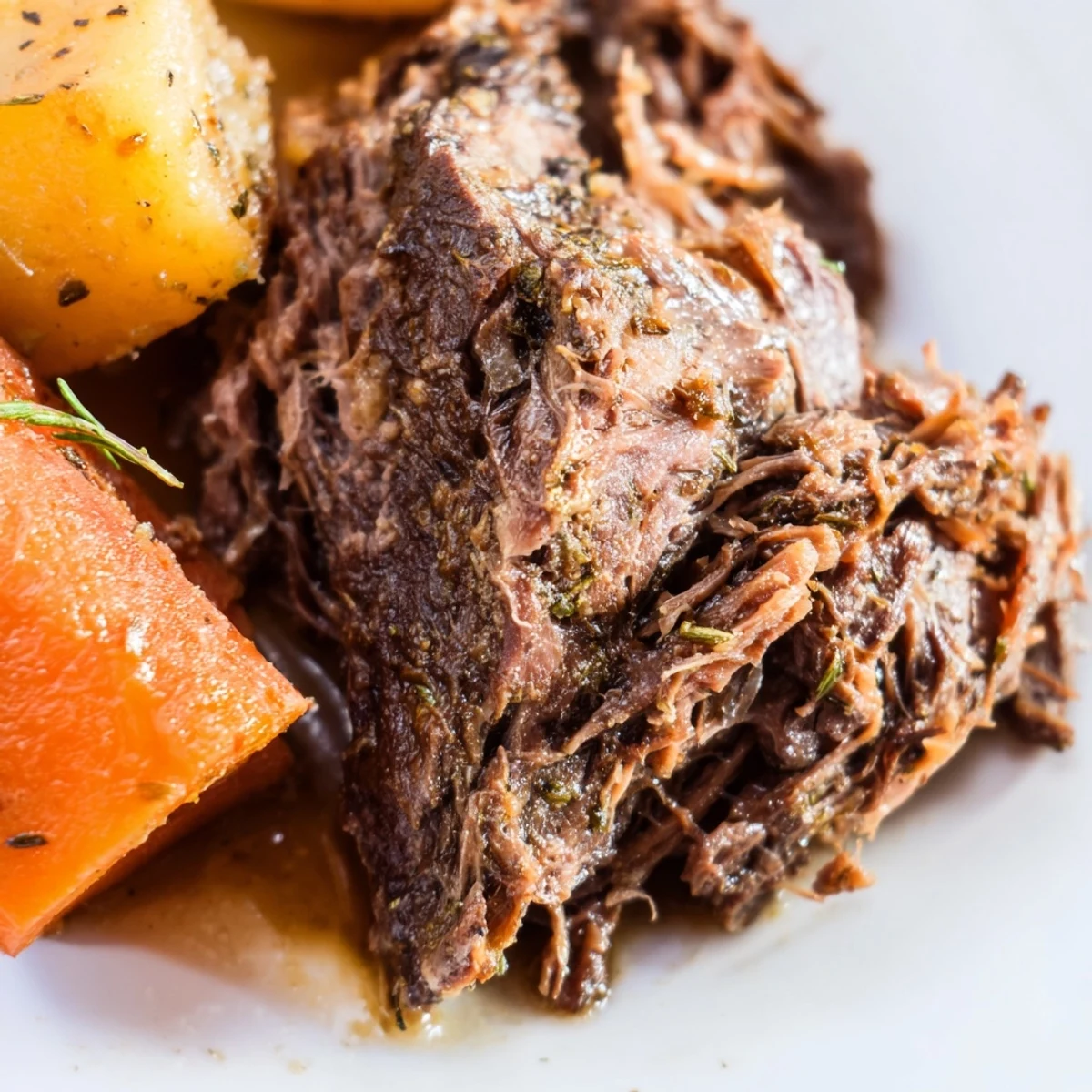
 This recipe has become my answer when someone asks what to make for a crowd or a cold day when everyone needs comfort on a plate. It's the kind of dish that reminds you why home cooking matters.
Common Questions
- → How long should I cook the beef for best tenderness?
-
Cooking the beef on low heat for 8 hours results in a tender, melt-in-your-mouth texture perfect for shredding or slicing.
- → Can I use different vegetables with the beef?
-
Yes, substituting sweet potatoes or parsnips adds a unique twist while maintaining the hearty vegetable base.
- → Is searing the beef necessary before slow cooking?
-
Searing the beef locks in juices and develops a rich, brown crust that enhances the overall flavor of the dish.
- → What herbs complement slow-cooked beef?
-
Dried thyme, rosemary, garlic, and bay leaves provide aromatic and savory notes that infuse the beef and vegetables.
- → Can I add wine during cooking?
-
A splash of red wine mixed with the broth elevates complexity and deepens the flavors in the cooking liquid.
