
 Pin It
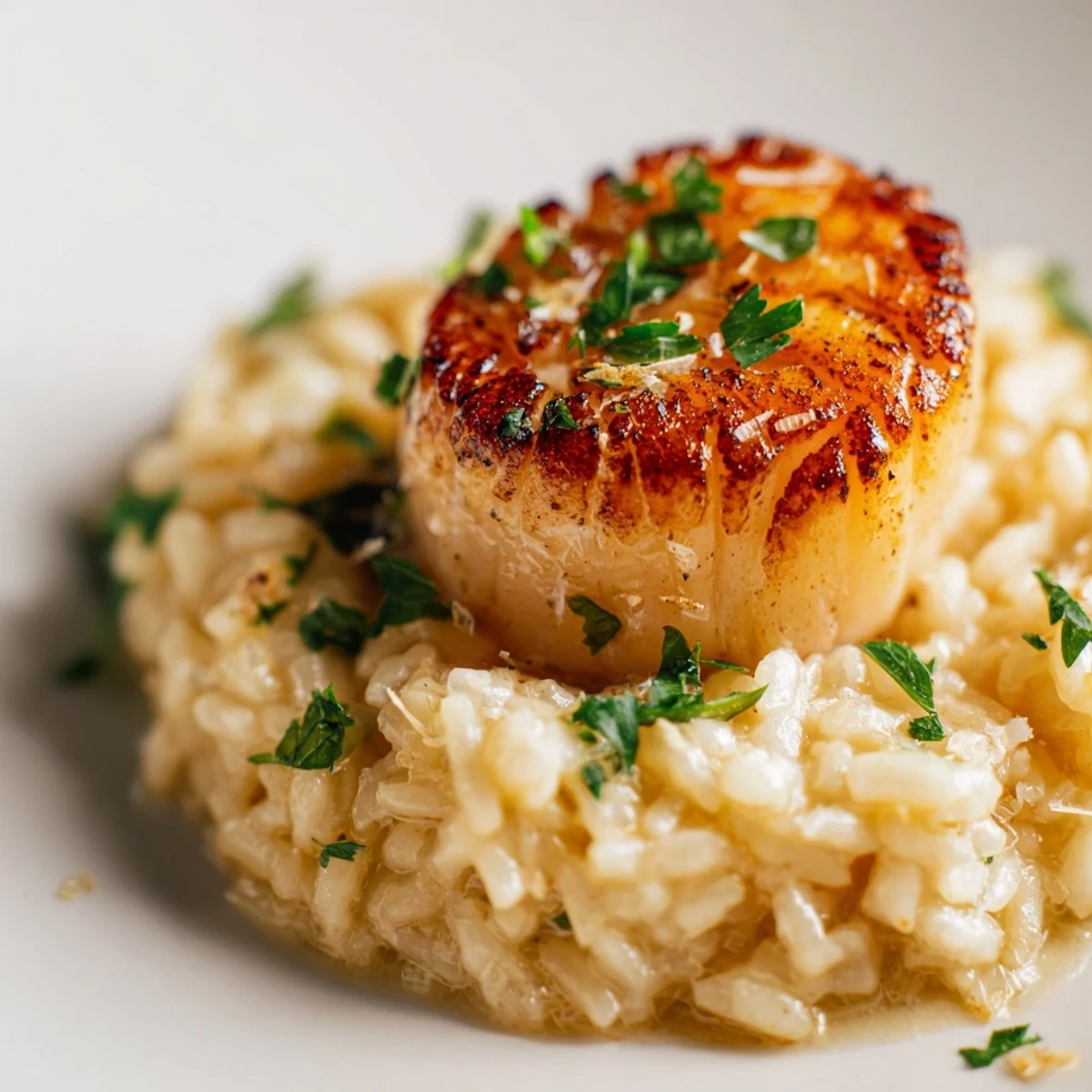
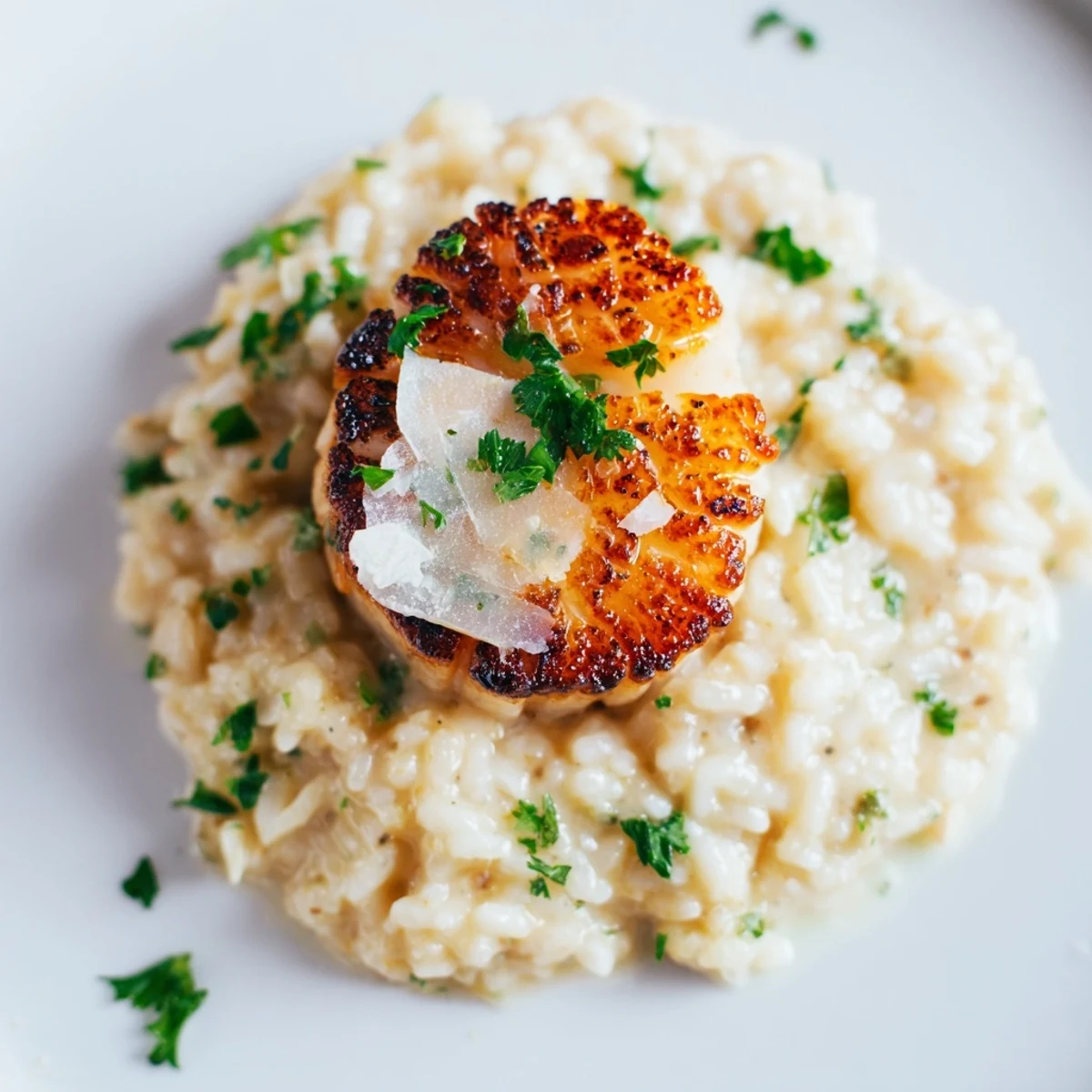
 This romantic Italian dinner features perfectly seared scallops with a golden crust paired with luxurious Parmesan risotto. The risotto is built by gradually incorporating warm broth into Arborio rice, creating a creamy, al dente base infused with white wine and fresh Parmesan. Scallops are seared quickly over high heat to develop a caramelized exterior while staying tender inside. Together, they create an elegant, restaurant-quality meal that comes together in under an hour.
The first time I attempted seared scallops at home, I was terrified of ruining such expensive seafood. My hands actually trembled as I lowered each delicate disk into the sizzling pan, holding my breath until that satisfying caramelization appeared. When paired with creamy risotto, this combination transformed our ordinary dining table into something that felt stolen from a five-star restaurant—candlelight flickering across perfectly golden scallops.
Last anniversary, instead of fighting for reservations somewhere expensive, I surprised my partner with this meal and a bottle of crisp Sauvignon Blanc. The kitchen windows had fogged up from the steam, music played softly in the background, and when I placed those perfectly seared scallops atop creamy risotto, the look of delight made all that stirring worthwhile. We still talk about that night more fondly than any restaurant meal weve had.
Ingredients
- Dry-packed scallops: These are essential for achieving that beautiful golden crust since they havent been treated with chemicals that cause moisture retention and steaming instead of searing.
- Arborio rice: The high starch content creates that signature creamy texture without having to add cups of cream, and Ive found its worth seeking out the authentic Italian variety.
- White wine: It adds a gentle acidity that balances the richness of the dish, and I discovered using the same wine youll drink with dinner creates a beautiful harmony of flavors.
- Parmesan cheese: The aged complexity adds depth no other ingredient can match, and I learned that freshly grated makes a world of difference compared to pre-packaged versions.
Instructions
- Begin the risotto ballet:
- Heat olive oil and butter until it shimmers, then add your finely chopped shallot, watching it turn translucent and fragrant. The kitchen will fill with that sweet oniony aroma that signals good things are coming.
- Toast and deglaze:
- Add the Arborio rice, stirring until each grain is coated in that buttery mixture, then pour in your wine and listen for that satisfying sizzle. You can almost feel the alcohol burning off, leaving behind just its essence.
- Master the risotto rhythm:
- Begin the meditative process of adding warm broth one ladleful at a time, stirring frequently. Youll watch as the rice gradually releases its starch, transforming from separate grains into a unified, creamy mixture.
- Enrich your creation:
- Remove from heat and stir in the remaining butter, Parmesan, and that indulgent splash of cream. The transformation happens before your eyes as it becomes gloriously silky.
- Prepare your scallops:
- Pat those beautiful scallops dry with paper towels, which is absolutely crucial for proper searing. Season them simply with salt and pepper, letting their natural sweetness be the star.
- Create the perfect sear:
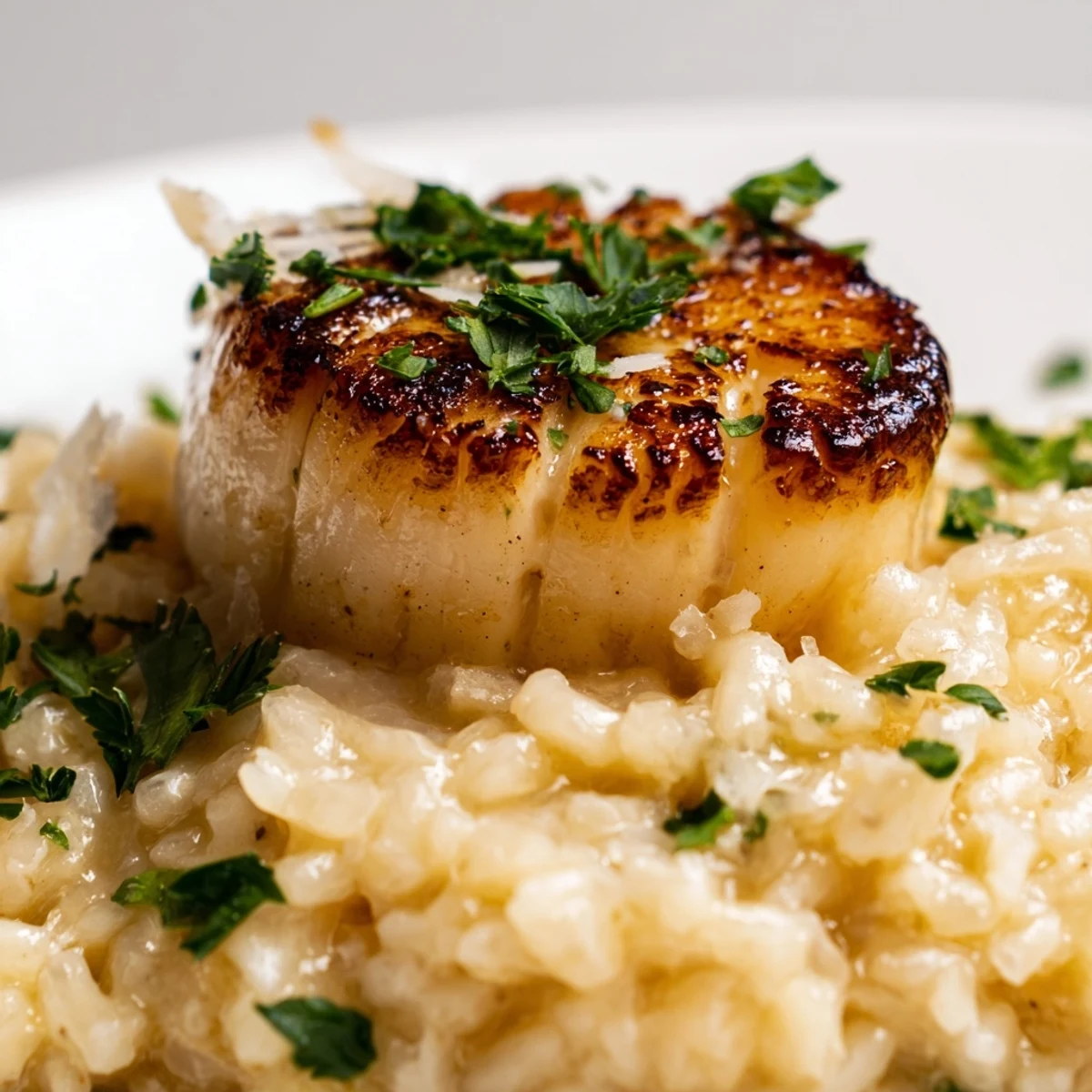
- Heat your pan until its properly hot, then add oil and butter which should immediately shimmer. Place scallops in with enough space between them, then resist the urge to peek or move them for a full 2-3 minutes.
- Plate with purpose:
- Spoon that luscious risotto onto warmed plates, then crown with your golden-crusted scallops. A sprinkle of fresh herbs adds color and a final squeeze of lemon brightens everything.
 Pin It
 One evening while making this for friends, someone asked about the secret to my risotto just as I was about to flip the scallops. Distracted by conversation, I left them searing perhaps thirty seconds longer than usual, creating a deeper golden crust than Id ever achieved before. That happy accident taught me patience is indeed a virtue when searing scallops, and now that extra half-minute is part of my technique.
The Art of Scallop Selection
I learned the hard way that those plump, pristine-looking scallops at the regular grocery counter are often soaked in a phosphate solution to increase weight and shelf life. When my first attempt turned into a watery disappointment, a fishmonger explained that I needed to look for dry-packed scallops, often labeled as day-boat or chemical-free. The difference was astonishing, transforming this dish from mediocre to magnificent with that one change.
Creating the Perfect Risotto Base
Through countless risotto attempts, Ive discovered that the initial toasting of the rice is non-negotiable. That first minute of stirring the dry grains in oil creates a protective coating that helps the rice release its starch gradually rather than all at once. The first time I rushed this step, I ended up with a gummy mess rather than the individual tender grains suspended in creamy sauce that mark a proper risotto.
Wine Pairing Wisdom
While making this dish for a small dinner gathering, a friend who works as a sommelier brought over three different white wines for us to taste alongside the meal. The revelation was immediate: crisp, bright wines with good acidity cut through the richness of the risotto while complementing the sweet brininess of the scallops.
- Sauvignon Blanc brings a zesty citrus note that echoes the lemon garnish beautifully.
- Unoaked Chardonnay offers a buttery quality that enhances rather than competes with the richness of the dish.
- For something unexpected, try a dry Riesling whose slight sweetness brings out the natural sweetness of the scallops.
 Pin It
 This dish has become our ritual for celebrations both significant and small, a reminder that luxury isnt always about going out but sometimes about creating something extraordinary at home. Each time we make it, we find ourselves lingering at the table just a little longer, savoring not just the food but the moment.
Common Questions
- → How do I achieve a golden crust on scallops?
-
Pat scallops completely dry with paper towels before cooking—moisture prevents browning. Use high heat and allow them to sit undisturbed for 2–3 minutes without moving, which develops the golden crust through the Maillard reaction.
- → What type of rice should I use for risotto?
-
Arborio rice is ideal for risotto due to its high starch content, which creates the characteristic creamy texture. Carnaroli is an excellent alternative. Avoid long-grain varieties as they won't achieve the same creaminess.
- → Can I make risotto ahead of time?
-
Risotto is best served immediately after finishing. However, you can partially cook it ahead—prepare through step 2, then complete the broth absorption just before serving for optimal creaminess and texture.
- → What wine pairs best with this dish?
-
Crisp white wines complement both components beautifully. Sauvignon Blanc, Pinot Grigio, or Vermentino pair wonderfully with the buttery scallops and creamy risotto, cutting through the richness.
- → Can I substitute the scallops with other proteins?
-
Yes, shrimp and lobster are excellent alternatives. Adjust cooking times accordingly—shrimp cooks faster (1–2 minutes per side), while lobster tails may require slightly longer. Fish fillets also work well.
- → How do I keep risotto warm while cooking scallops?
-
Keep the finished risotto in a covered saucepan on low heat or transfer to a warm plate and cover loosely with foil. Stir occasionally to prevent a skin from forming on the surface.
