
 Pin It
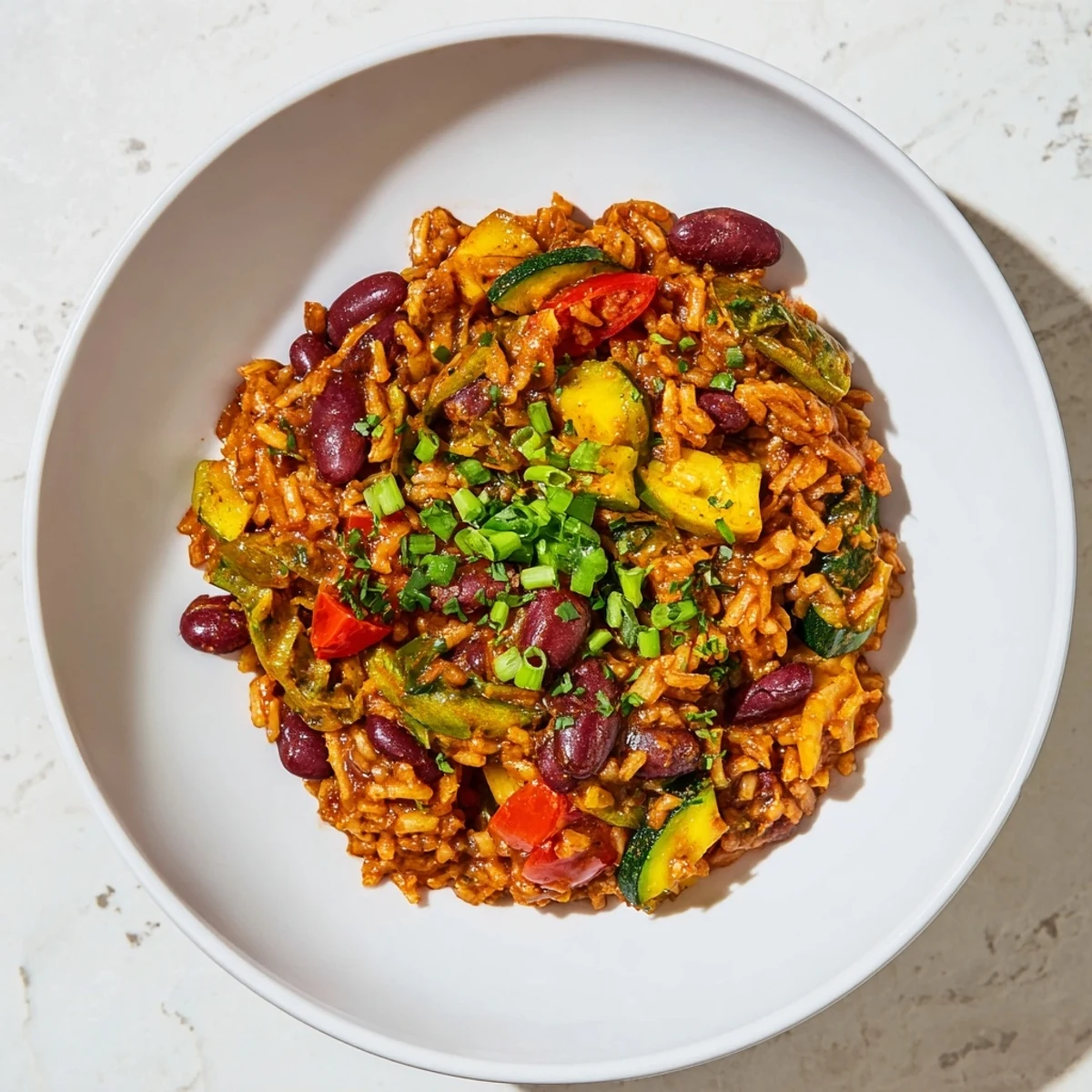
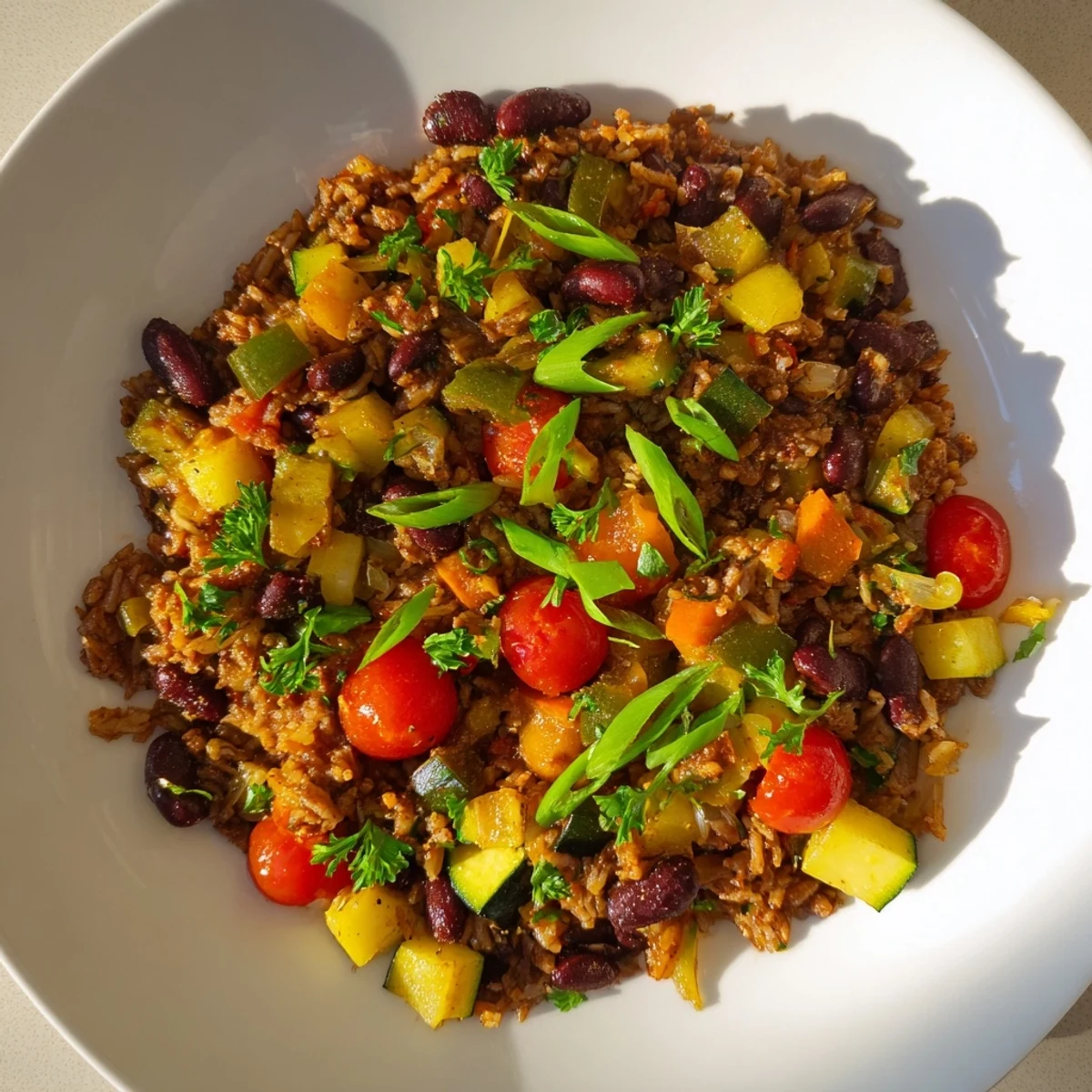
 This Mardi Gras veggie jambalaya celebrates bold Creole flavors with a vibrant mix of kidney and black beans, fresh peppers, zucchini, and aromatic spices. Simmered with long-grain rice and juicy tomatoes, it offers a hearty, colorful dish perfect for festive occasions or any casual meal. The blend of smoked paprika, thyme, and cayenne adds a lively, smoky warmth, while fresh parsley and green onions bring a fresh finish. Simple to prepare and naturally vegan and gluten-free, it's a nourishing choice for plant-based eaters.
The first time I attempted vegetarian jambalaya, my New Orleans born neighbor leaned over my fence and asked if I was making a joke. Two hours later, she was scraping her bowl clean and admitted the beans might actually work better than andouille after all. Now it's become my go to for feeding crowds who never miss the meat.
Last Mardi Gras, I made three huge batches of this jambalaya for a neighborhood potluck. Someone brought a traditional meat version alongside mine, and I watched with quiet satisfaction as mine disappeared first. The best part was watching people who swore they needed sausage in their jambalaya going back for seconds without even noticing.
Ingredients
- 2 tablespoons olive oil: Use a neutral oil with a decent smoke point since you will be sautéing the vegetables at medium high heat
- 1 large yellow onion, diced: Yellow onions become sweeter as they cook, forming the essential flavor base of any good jambalaya
- 1 green bell pepper, diced: Part of the holy trinity along with onion and celery that gives Cajun and Creole cooking its distinctive flavor profile
- 1 red bell pepper, diced: Adds sweetness and vibrant color that makes this dish feel festive and celebratory
- 3 celery stalks, diced: Include some of the tender inner leaves as they pack a surprising amount of flavor
- 3 garlic cloves, minced: Fresh garlic is non negotiable here, jarred garlic lacks the punch needed for such a spice forward dish
- 1 medium zucchini, diced: Adds bulk and texture while absorbing all the bold spices beautifully
- 1 cup cherry tomatoes, halved: They hold their shape better than diced tomatoes and release their juices slowly as the jambalaya simmers
- 1 cup long grain white rice, rinsed: Long grain rice stays fluffy and separate, unlike short grain which can become gummy and sticky
- 1 can kidney beans, drained and rinsed: Their earthy flavor and firm texture stand up perfectly to the bold Creole spices
- 1 can black beans, drained and rinsed: These add a creaminess that balances the hearty kidney beans beautifully
- 2 1/2 cups low sodium vegetable broth: Low sodium is crucial because you will be adding plenty of seasonings and want control over the salt level
- 1 can diced tomatoes with juices: These provide essential liquid and acidity to balance the rich spices
- 1 1/2 teaspoons smoked paprika: This is the secret ingredient that mimics the smoky depth usually provided by andouille sausage
- 1 teaspoon dried oregano: Use Mexican oregano if you can find it for a more authentic, earthy flavor
- 1 teaspoon dried thyme: Fresh thyme works wonderfully too, just use three times the amount and strip the leaves from the stems
- 1 teaspoon ground cumin: Adds warmth and depth that rounds out the other spices
- 1/2 teaspoon cayenne pepper: Start with this amount and add more at the end if you prefer more heat
- 1 teaspoon salt: Sea salt or kosher salt will give you the cleanest flavor
- 1/2 teaspoon black pepper: Freshly ground pepper makes a noticeable difference in the final dish
- 1 bay leaf: Remove it before serving, but let it work its magic during the simmer
- 2 tablespoons chopped fresh parsley: Adds brightness and freshness that cuts through the rich, spiced flavors
- 2 green onions, thinly sliced: Both the white and green parts add a mild onion flavor and pop of color
Instructions
- Build Your Flavor Base:
- Heat the olive oil in your large Dutch oven or deep skillet over medium heat, then add the onion, both bell peppers, and celery. Cook for 5 to 7 minutes, stirring occasionally, until the vegetables have softened and the onion is translucent.
- Add the Aromatics:
- Stir in the minced garlic and cook for just 1 minute until it becomes fragrant, being careful not to let it brown or burn.
- Incorporate the Fresh Vegetables:
- Add the diced zucchini and halved cherry tomatoes, cooking for another 2 to 3 minutes until the tomatoes begin to release their juices.
- Toast the Rice:
- Mix in the rinsed rice and stir constantly for 1 minute, coating each grain with the flavored oil and vegetables.
- Combine Everything:
- Add both kinds of beans, the canned diced tomatoes with their juices, vegetable broth, and all your spices including the bay leaf. Stir everything thoroughly to distribute the spices evenly.
- Simmer to Perfection:
- Bring the mixture to a boil, then immediately reduce the heat to low and cover tightly. Let it simmer for 25 to 30 minutes, stirring every 10 minutes or so to prevent anything from sticking to the bottom.
- Finish and Serve:
- Remove the bay leaf, stir in the fresh parsley, and taste your creation. Adjust the salt, pepper, or cayenne as needed, then serve hot with your chosen garnishes.
 Pin It
 My friend Sarah texted me at midnight after I left a container of this jambalaya on her porch. She said she had planned to save it for lunch the next day but ended up standing in her kitchen eating it cold straight from the container. Sometimes the best compliment is simply an empty container.
Making It Your Own
While this recipe works beautifully as written, do not be afraid to play with the vegetable combinations based on what looks fresh at your market. Okrah is traditional in jambalaya and would be right at home here, and corn kernels add sweetness that contrasts nicely with the smoky spices. The key is maintaining the ratio of liquid to rice so everything cooks properly.
Serving Suggestions
This jambalaya is substantial enough to stand alone as a complete meal, but a few simple sides can elevate it into a proper feast. I love serving it with skillet cornbread that has been sweetened just slightly with honey. A crisp green salad with a bright vinaigrette cuts through the richness, and if you want to go all out, some sautéed collard greens with a splash of vinegar would make any Louisiana grandmother proud.
Storage and Reheating
This jambalaya keeps beautifully in the refrigerator for up to five days, making it perfect for meal prep or feeding yourself throughout a busy week. The flavors actually improve after a day or two as the spices have more time to develop. When reheating, add a splash of water or broth if it seems dry and warm it gently over medium low heat, stirring occasionally.
- Freeze portions in airtight containers for up to three months, though the rice texture will be best if eaten within one month
- Reheating in the microwave works, but the stovetop gives you better control over the texture and prevents hot spots
- If the rice seems mushy after freezing, try transforming leftovers into jambalaya stuffed bell peppers or a hearty soup
 Pin It
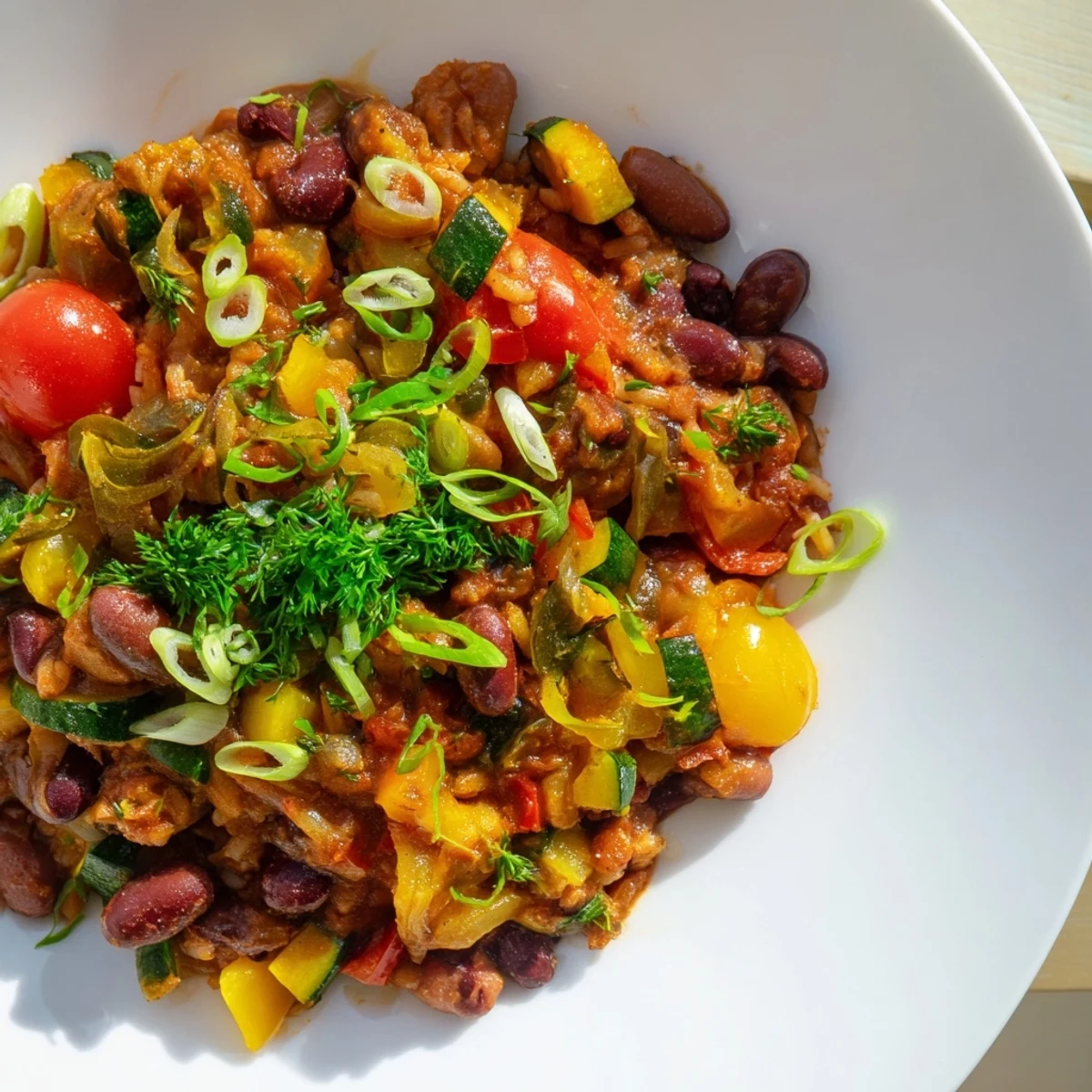
 Whether you are celebrating Mardi Gras or just need a comforting one pot meal that will feed a crowd, this jambalaya delivers big flavor with minimal fuss. Pull up a chair, grab a bowl, and let the good times roll.
Common Questions
- → What type of beans work best in this dish?
-
Kidney and black beans are traditional and provide a hearty texture, but pinto or cannellini beans can be swapped for variety.
- → Can I make this dish spicier?
-
Yes, increase cayenne pepper or add hot sauce to adjust the heat to your preference.
- → Is brown rice a good alternative to white rice here?
-
Brown rice works well but requires more broth and longer cooking time to become tender.
- → What cooking equipment is recommended?
-
A large Dutch oven or deep skillet with a lid is ideal for even cooking and simmering this dish.
- → Can this dish be served warm or cold?
-
It's best enjoyed warm to bring out the spices and soft textures, though leftovers can be served chilled or reheated.
