
 Pin It
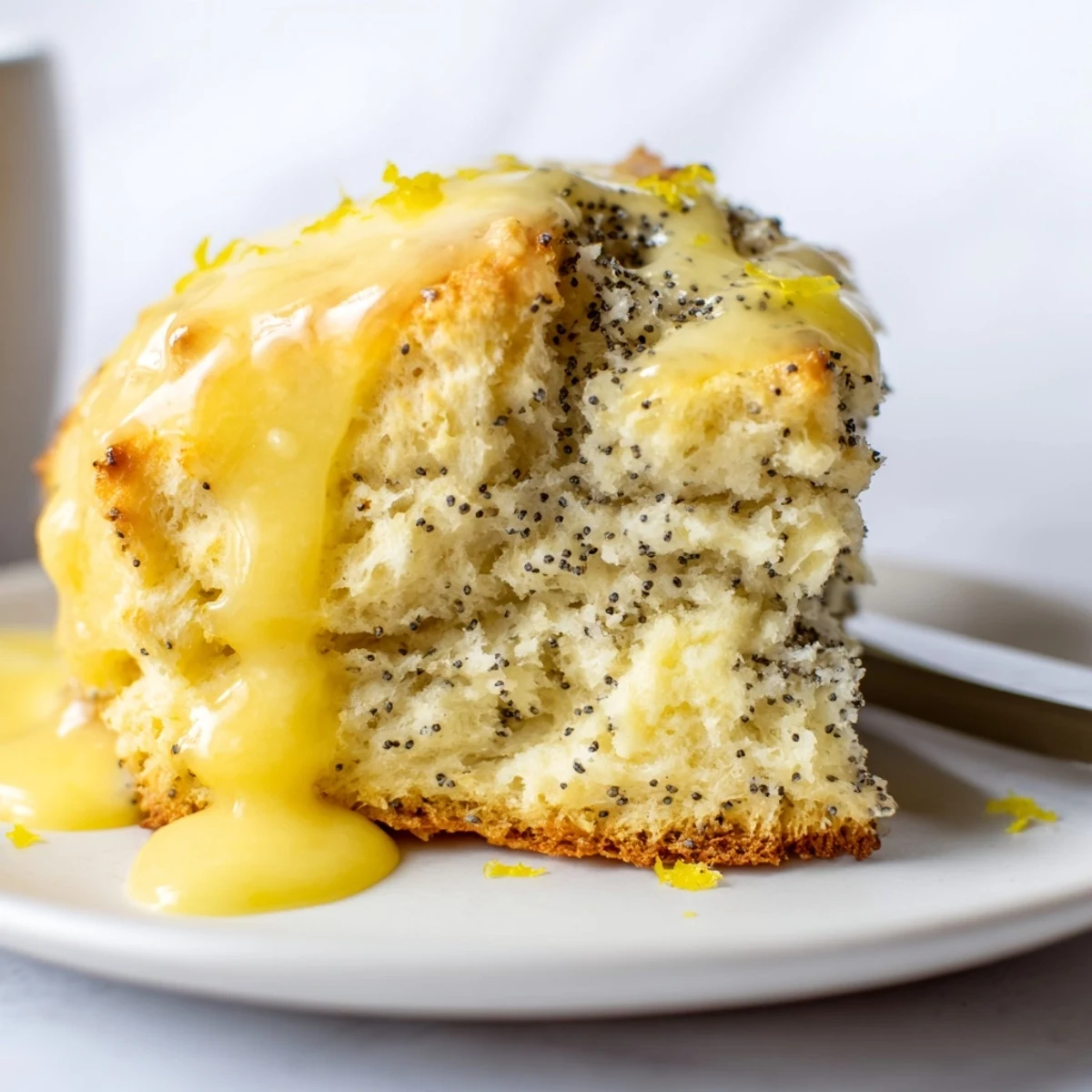
 These scones combine zesty lemon zest and juicy lemon juice with crunchy poppy seeds, creating a tender, buttery texture. The dough is gently mixed and shaped into wedges before baking until golden. Finished with a smooth citrus glaze made from powdered sugar and fresh lemon juice, these scones offer a bright and delicate flavor ideal for breakfast or afternoon tea. They pair wonderfully with clotted cream or lemon curd and complement Earl Grey or green tea perfectly.
My neighbor brought over a tin of British scones one rainy afternoon, still warm from her kitchen, and I was hooked—not just by the tender crumb and the bright pop of lemon, but by how she casually mentioned the poppy seeds were her grandmother's signature touch. I went home determined to recreate that magic, and after a few attempts (and one batch that turned out dense as hockey pucks), I finally cracked the formula. These days, when I pull a fresh batch from the oven, that same kitchen fills with the most incredible citrus aroma, and I always think of her sitting at my table, dunking a scone in tea.
I remember bringing these to a Sunday book club gathering, and watching three people go back for seconds without even asking what was in them first—that's when I knew the recipe had staying power. There's something about a homemade scone that instantly makes people slow down and actually taste what they're eating.
Ingredients
- All-purpose flour (2 cups): The backbone of your scone; you want it cool and dry, so some bakers even chill their measuring cup first.
- Granulated sugar (1/3 cup): Just enough sweetness to balance the tartness of the lemon without making these dessert-like.
- Poppy seeds (1 tbsp): These tiny seeds deliver bursts of nuttiness and are worth seeking out fresh rather than using ones that have been sitting in your pantry for two years.
- Lemon zest (1 tbsp): This is where the magic lives—use a microplane and only the yellow part, never the white pith underneath, which tastes bitter.
- Baking powder (2 tsp) and baking soda (1/4 tsp): The pair works together to create that light, crumbly interior, so don't skip either one.
- Fine sea salt (1/2 tsp): A pinch that makes all the citrus flavors sing louder.
- Unsalted butter, cold and cubed (1/2 cup): Cold is non-negotiable here—this is what creates those tender, flaky layers, so resist the urge to use softened butter.
- Heavy cream (2/3 cup): The fat that keeps your scones impossibly tender; don't substitute with milk or your result will be disappointingly dry.
- Large egg (1): Binds everything together and helps with that golden-brown finish.
- Freshly squeezed lemon juice (2 tbsp): Fresh is absolutely essential here—bottled juice tastes flat and slightly chemical by comparison.
- Vanilla extract (1 tsp): A quiet flavor that deepens the overall complexity without announcing itself.
- Powdered sugar (3/4 cup): Sifted before using so your glaze goes on smooth and lump-free.
- Lemon juice for glaze (2–3 tbsp): Adjust as needed to reach that perfect drizzleable consistency.
Instructions
- Set your oven and prep your workspace:
- Preheat to 400°F and line a baking sheet with parchment paper so your scones won't stick and you get even browning on the bottoms.
- Mix the dry foundation:
- Whisk together flour, sugar, poppy seeds, lemon zest, baking powder, baking soda, and salt in a large bowl, making sure everything is evenly distributed so you don't bite into a pocket of baking soda.
- Cut in the cold butter:
- Add your cubed, cold butter and using a pastry cutter, two knives, or your fingertips, work it into the flour until the mixture looks like coarse breadcrumbs—some small pea-sized pieces of butter should still be visible because those create the flaky layers.
- Combine the wet team:
- In a separate bowl, whisk together cream, egg, lemon juice, and vanilla until well blended and the mixture looks slightly frothy.
- Bring it together gently:
- Pour the wet ingredients into the dry mixture and stir just until combined—I mean really just until, because overmixing develops gluten and turns your tender scones into tough little hockey pucks. A few small flour streaks are actually okay.
- Shape and cut:
- Turn the dough onto a lightly floured surface, pat it into a 1-inch thick round (don't knead or compress it), and cut into 8 wedges like you're slicing a pie.
- Arrange and brush:
- Place the wedges on your prepared baking sheet with a little space between them so they can puff up without touching, then brush the tops lightly with extra cream for that gorgeous golden sheen.
- Bake until golden:
- Bake for 18–20 minutes until the tops are deep golden brown and a toothpick inserted into the center comes out clean or with just a few moist crumbs clinging to it.
- Cool with patience:
- Transfer to a wire rack and let them cool for at least 10 minutes before glazing, otherwise the glaze will melt into puddles.
- Make and drizzle the glaze:
- Whisk powdered sugar with lemon juice until you have a thick but pourable consistency, then drizzle over the cooled scones and let it set for a few minutes before serving.
 Pin It
 There's a moment, right when you pull scones from the oven, when the kitchen fills with this incredible warm lemon-butter aroma, and your whole mood shifts. I've learned that scones are less about following a recipe perfectly and more about showing up with intention—the kind of breakfast that says to the people around you, "You're worth the effort."
The Secret of Tender Scones
The difference between a tender, buttery scone and a dense brick comes down to three things: keeping your butter cold, not overworking the dough, and using the right ratio of wet to dry ingredients. I learned this the hard way after my first batch turned out more like hockey pucks, and now I actually chill my mixing bowl before I start. It sounds fussy, but it genuinely makes a difference, and once you feel how soft and delicate the dough should be, you'll never go back.
Lemon: The Star of the Show
Fresh lemon is what transforms these from basic scones into something people remember. I always use a microplane to zest the lemon—you want just the bright yellow part, never the bitter white pith underneath. For the juice, I squeeze it fresh right before I use it because bottled lemon juice tastes slightly chemical and flattens the whole dish.
Serving and Storage
Scones are best enjoyed warm or at room temperature, ideally within a few hours of baking, when they're still tender and the glaze hasn't hardened too much. They keep in an airtight container for 2–3 days, and reheating them gently in a warm oven brings back that just-baked softness. My favorite way to serve them is with clotted cream, lemon curd, or even a simple dollop of Greek yogurt—let people build their own perfect bites.
- If you want to make the dough ahead, you can prep it the night before, cover it tightly, and refrigerate until you're ready to bake.
- Pair these with Earl Grey tea or a bright green tea for the perfect afternoon moment.
- White chocolate chips stirred into the dough add an indulgent sweetness if you want a slightly richer version.
 Pin It
 These scones have become my go-to breakfast when I want to feel like I've done something special, or when I want to send that message to people I care about. There's comfort in homemade baked goods that store-bought scones simply cannot match.
Common Questions
- → Can I make these scones dairy-free?
-
Yes, substitute the butter and cream with plant-based alternatives like vegan butter and coconut cream for a dairy-free version.
- → What is the best way to mix the dough?
-
Use a pastry cutter or fingertips to blend cold butter into dry ingredients until coarse crumbs form, then gently combine with wet ingredients to avoid overmixing.
- → How do I achieve a tender texture in these scones?
-
Keep butter cold and avoid overworking the dough. Gentle mixing and proper baking ensure a tender crumb with a buttery finish.
- → Can the glaze be adjusted in sweetness?
-
Yes, adjust powdered sugar and lemon juice ratios to create a glaze that is either more tart or sweeter according to taste.
- → How should scones be stored to keep freshness?
-
Store cooled scones in an airtight container at room temperature for up to two days, or freeze for longer storage.
