
 Pin It
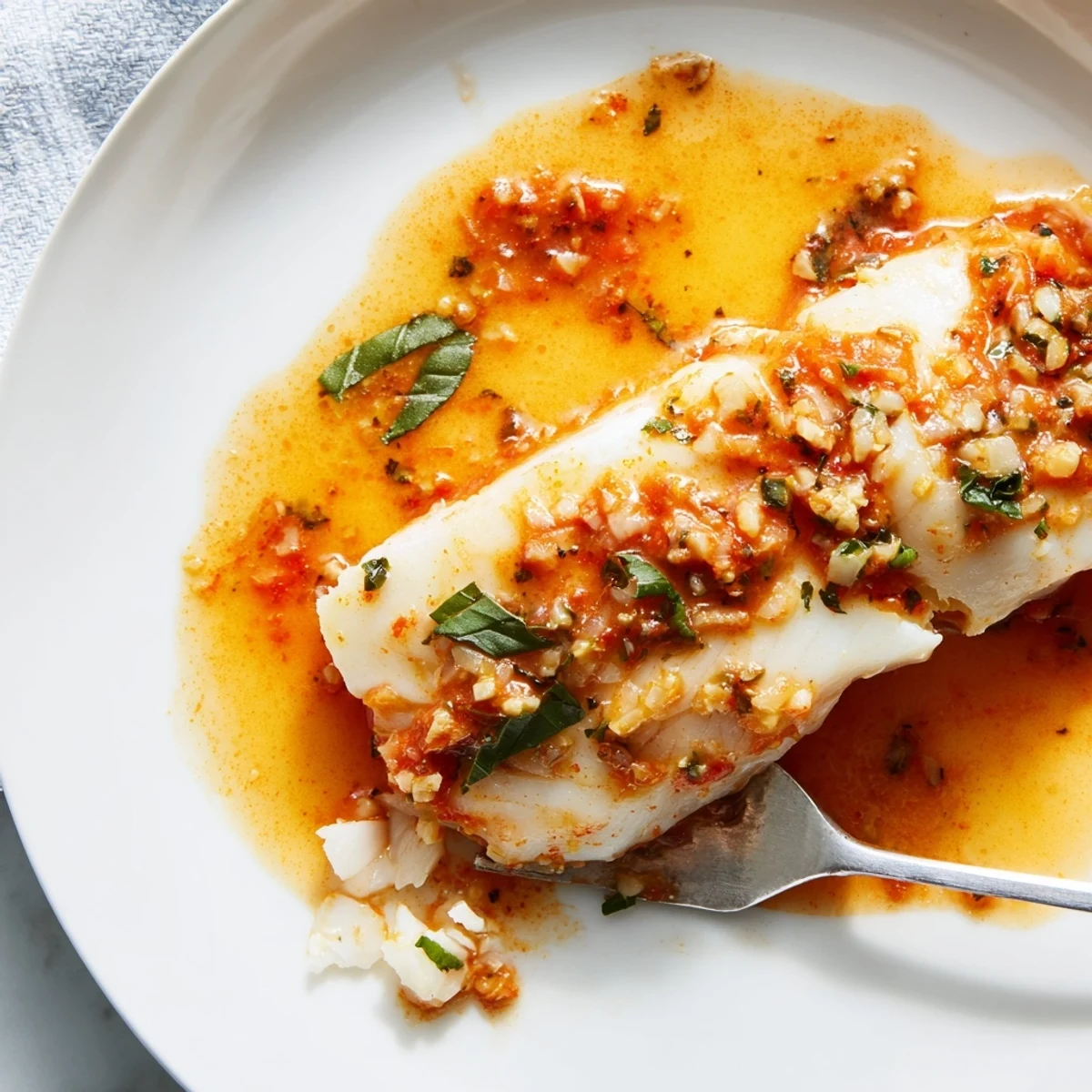
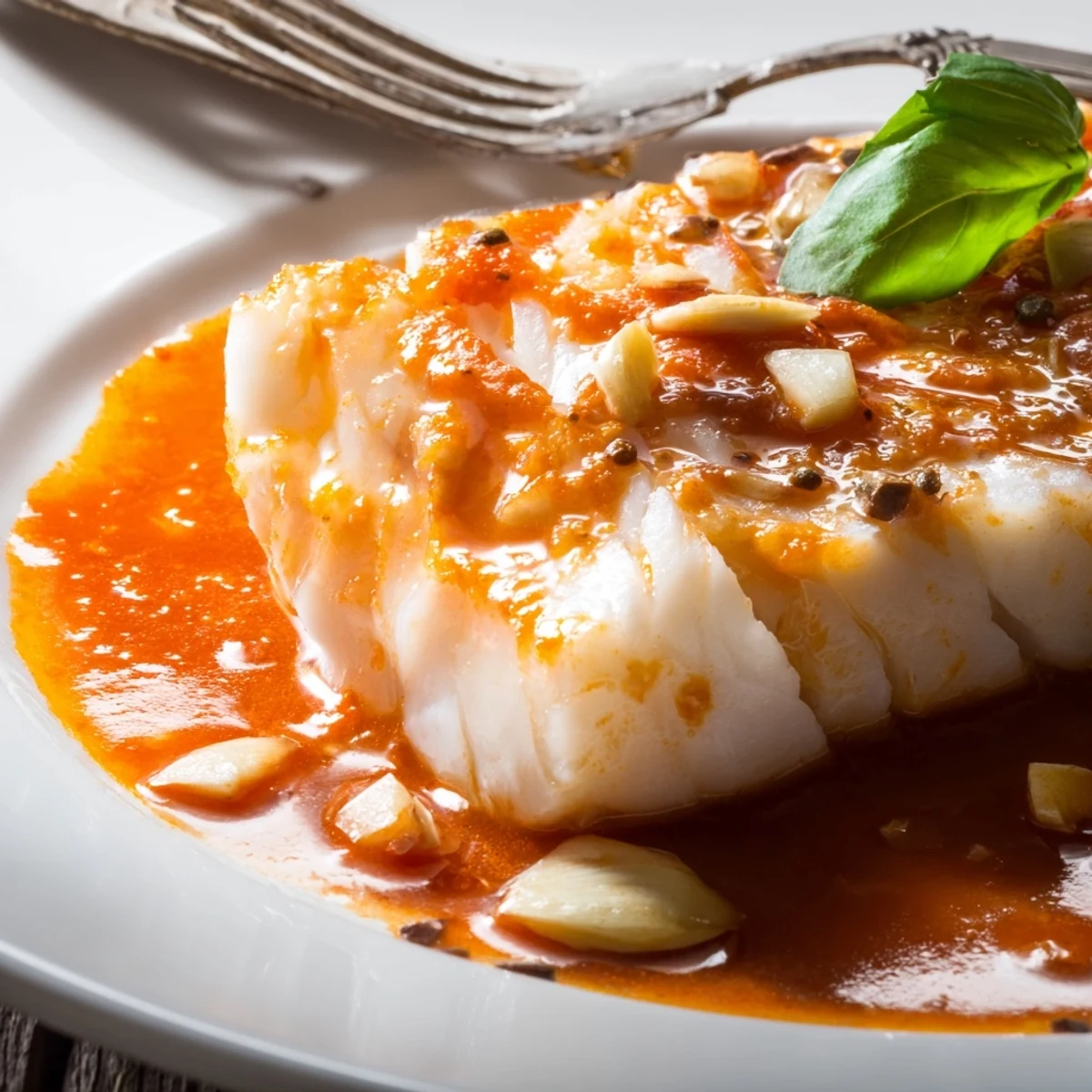
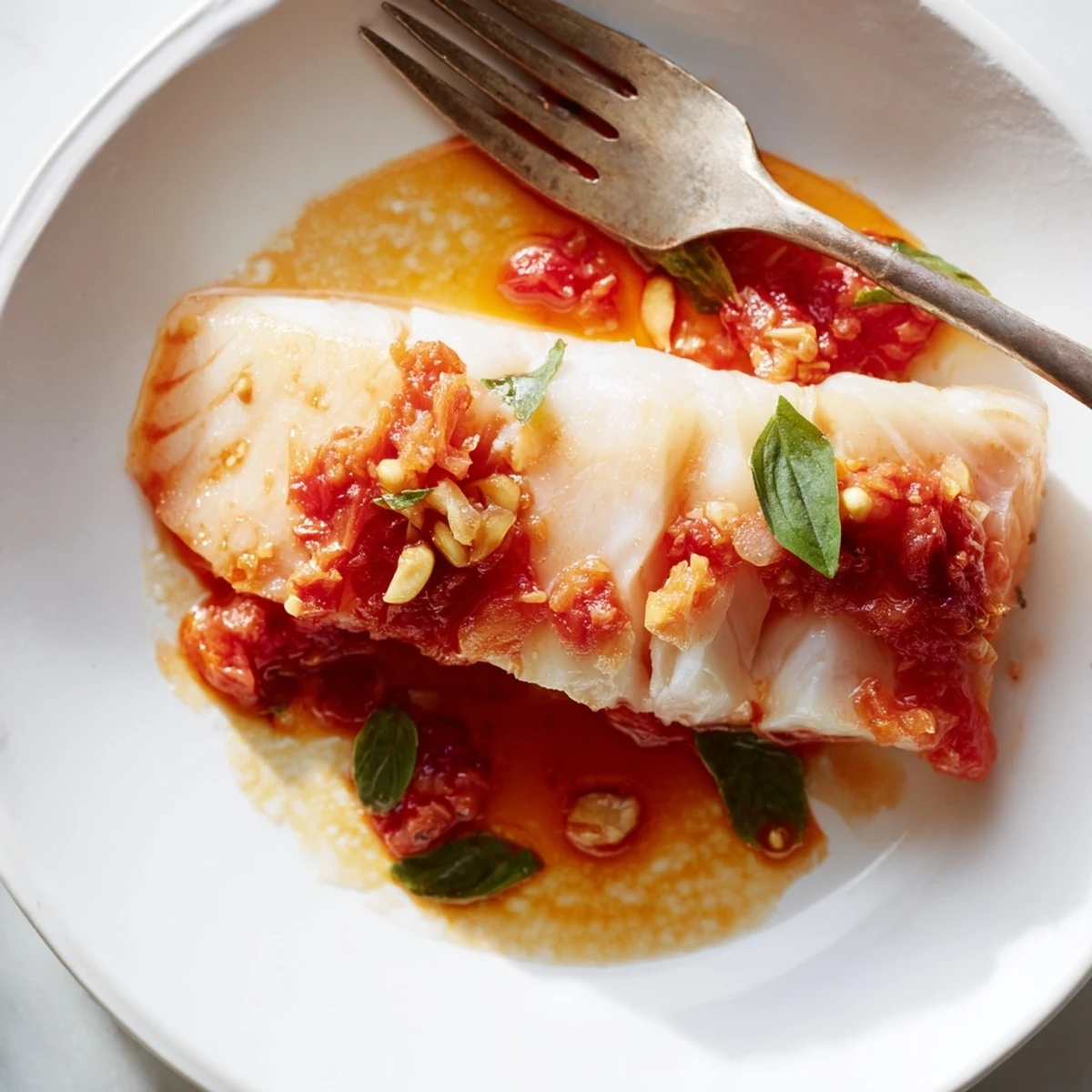
 Succulent halibut fillets achieve remarkable tenderness through a unique dual-cooking method. First, the fish simmers gently in a velvety sauce crafted from ripe tomatoes, shallots, garlic, and butter—creating a luxurious poaching liquid that infuses every bite with sweetness. The finishing touch on the grill adds delicate smoky notes while maintaining the fish's delicate texture. This contemporary American preparation showcases how simple ingredients transform into restaurant-quality results in just 35 minutes.
Last summer, my neighbor Sarah kept talking about this restaurant dish where halibut got poached right in tomatoes. We stood between our grills one evening, wine glasses in hand, and she sketched out the technique on a paper napkin. Something about finishing fish on the grill in a buttery tomato sauce just clicked in my head. The next day, I had a skillet on the grate and was experimenting before I even fully committed to a recipe.
I made this for my parents anniversary dinner last month. My dad is usually suspicious of anything he calls fussy cooking, but he actually went quiet for a full minute after his first bite. Then he asked if I could teach him the technique for their next camping trip. The sauce is what gets everyone, that perfect balance of bright tomatoes and rich butter with just a hint of grill smoke.
Ingredients
- 4 (6 oz) halibut fillets: Halibut holds up beautifully to poaching because its firm flesh stays intact while staying incredibly tender
- 1 tsp kosher salt: Season the fish generously before it hits the sauce so every bite is seasoned through
- 1/2 tsp freshly ground black pepper: Freshly cracked pepper adds these little spicy notes that cut through the butter
- 3 large ripe tomatoes: Really lean into tomatoes that give slightly when you press them, they break down into the most luscious sauce base
- 3 tbsp unsalted butter: Adding it one tablespoon at a time is what makes the sauce emulsify into something velvety instead of separating
- 2 cloves garlic: Mince these finely so they dissolve into the sauce without leaving harsh chunks
- 1 small shallot: Shallots have this mild sweetness that plays so nicely with the tomatoes
- 1/4 cup dry white wine: Use something you would actually drink, it adds acidity that brightens the whole dish
- 2 tbsp fresh lemon juice: This bright spark at the end makes all the flavors pop
- 1 tbsp fresh basil: Add this at the very end so it stays vibrant and aromatic
- 1 tbsp olive oil: Just enough to sauté the aromatics without making the sauce greasy
- Fresh basil leaves: Whole leaves on top look gorgeous and add a fresh aromatic hit when you get them in the same bite as fish
- Lemon wedges: Letting people squeeze their own lemon at the table is such a nice touch
Instructions
- Get your grill ready:
- Preheat to medium heat, aiming for about 375°F, and grab a skillet that can go from stovetop to grill without any drama
- Season the halibut:
- Sprinkle salt and pepper all over both sides of the fillets, letting them sit while you start the sauce
- Build the flavor base:
- Heat that olive oil in your grill safe pan over medium heat and sauté the shallot and garlic until they smell amazing, about one minute
- Start the tomatoes:
- Toss in the chopped tomatoes and stir for about 3 to 4 minutes as they start breaking down and getting saucy
- Add brightness:
- Pour in the white wine and lemon juice, letting everything simmer for 2 to 3 minutes until slightly reduced
- Make it silky:
- Drop the heat to low and whisk in the butter one tablespoon at a time, watching the sauce transform into something glossy and luxurious
- Bring in the fish:
- Gently nestle the seasoned halibut into that beautiful tomato butter sauce and spoon some over the tops
- Grill poach it:
- Transfer the whole pan to your preheated grill, close the lid, and let the fish poach in the sauce for 8 to 12 minutes until just opaque
- Optional grill marks:
- If you want those gorgeous char lines, carefully move the fillets directly onto the grates for one minute per side
- Plate it up:
- Serve right away with extra sauce spooned over each piece and finish with basil and those lemon wedges
 Pin It
 My cousin who swears she hates fish asked for seconds when I made this for a birthday dinner. She said the sauce reminded her of this meal she had in Italy years ago but could never recreate at home. Watching someone change their mind about seafood over one dinner is pretty satisfying.
Making It Your Own
Sometimes I add a splash of cream with the butter if I want the sauce even more indulgent. A pinch of red pepper flakes gives it this subtle warmth that sneaks up on you. In summer, cherry tomatoes work beautifully and they cook down even faster.
What to Serve Alongside
Grilled asparagus with just salt and lemon never fails, or a crisp green salad with a vinaigrette that cuts through the rich sauce. Some crusty bread is essential for mopping up every drop of that tomato butter. I love this with Sauvignon Blanc, its acidity matches the dish perfectly.
Make Ahead Wisdom
You can make the tomato butter sauce a few hours ahead and gently reheat it before adding the fish. The flavors actually meld and get even better with a little time. Do not poach the fish ahead though, it cooks so quickly that it is worth doing right before serving.
- Prep all your ingredients before you start the grill, the sauce moves fast once you begin
- Keep an eye on the butter temperature, too high and it might separate
- Have warm plates ready so the sauce stays silky when you serve
 Pin It
 This is one of those recipes that looks impressive but is actually quite forgiving once you understand the technique. The first time I made it, I was so nervous about poaching fish on a grill, but now it is become my go to for summer dinner parties.
Common Questions
- → What makes halibut ideal for poaching?
-
Halibut's firm, meaty texture holds up beautifully during gentle poaching. The dense flesh absorbs the tomato-butter sauce flavors without falling apart, remaining moist and tender throughout the cooking process.
- → Can I use other fish varieties?
-
Yes, cod and sea bass work wonderfully as alternatives. Choose firm, white fish fillets that are similar in thickness to ensure even cooking times with the poaching method.
- → Why finish on the grill after poaching?
-
The grill adds subtle smoky depth that complements the rich tomato-butter sauce. This quick finish creates a beautiful contrast between the silky poached interior and the lightly grilled exterior.
- → How do I know when the halibut is done?
-
The fish is ready when it turns opaque throughout and flakes easily with a fork. Avoid overcooking—halibut continues cooking slightly after leaving the heat due to residual warmth.
- → What wine pairs best with this dish?
-
A chilled Sauvignon Blanc balances the buttery sauce with crisp acidity. Pinot Grigio or dry Albariño also complement the delicate halibut without overpowering the tomato flavors.
- → Can I make the tomato-butter sauce ahead?
-
The sauce base can be prepared earlier and refrigerated for up to two days. Gently reheat before adding the fresh halibut—avoid bringing it to a boil to prevent separating the butter emulsion.
