
 Pin It
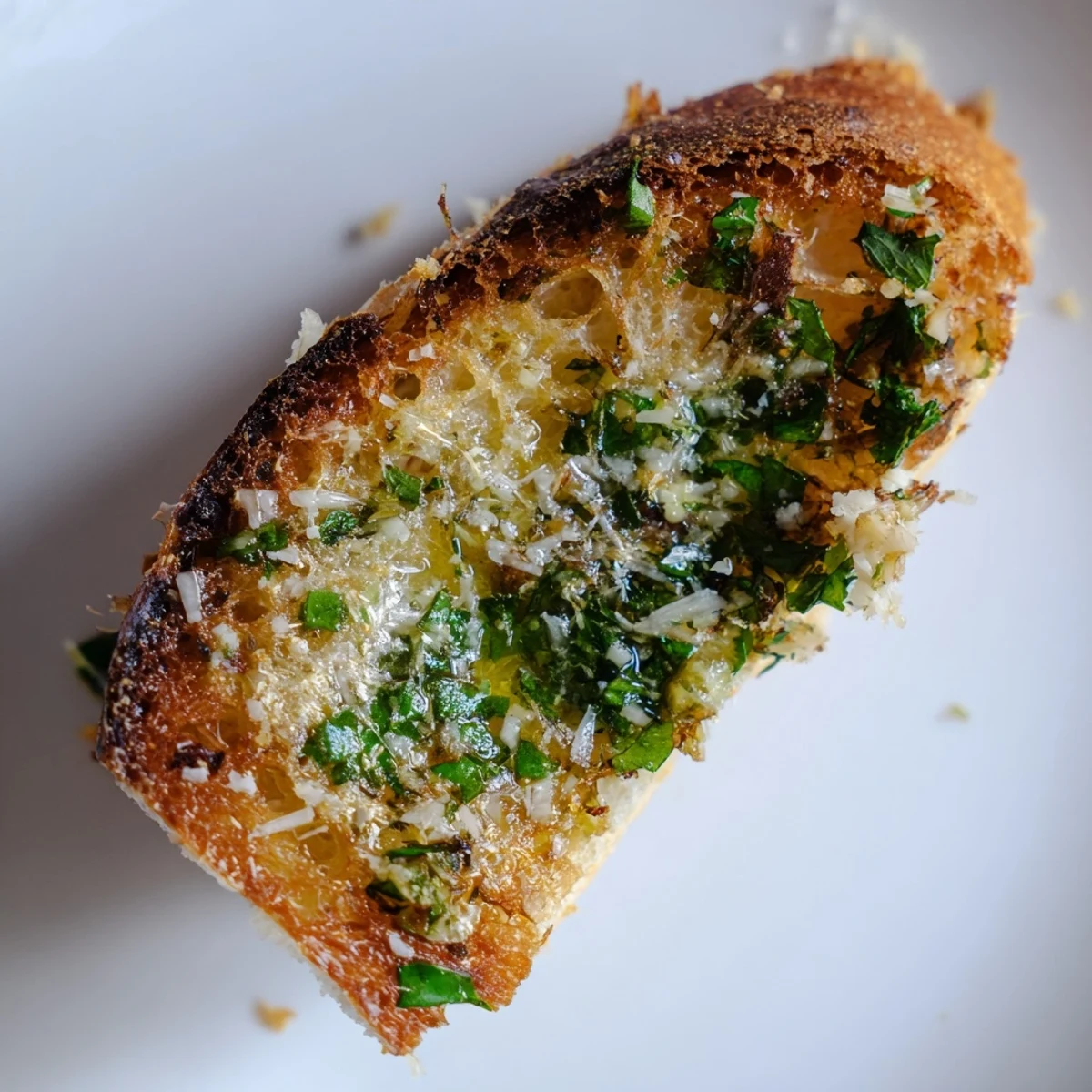
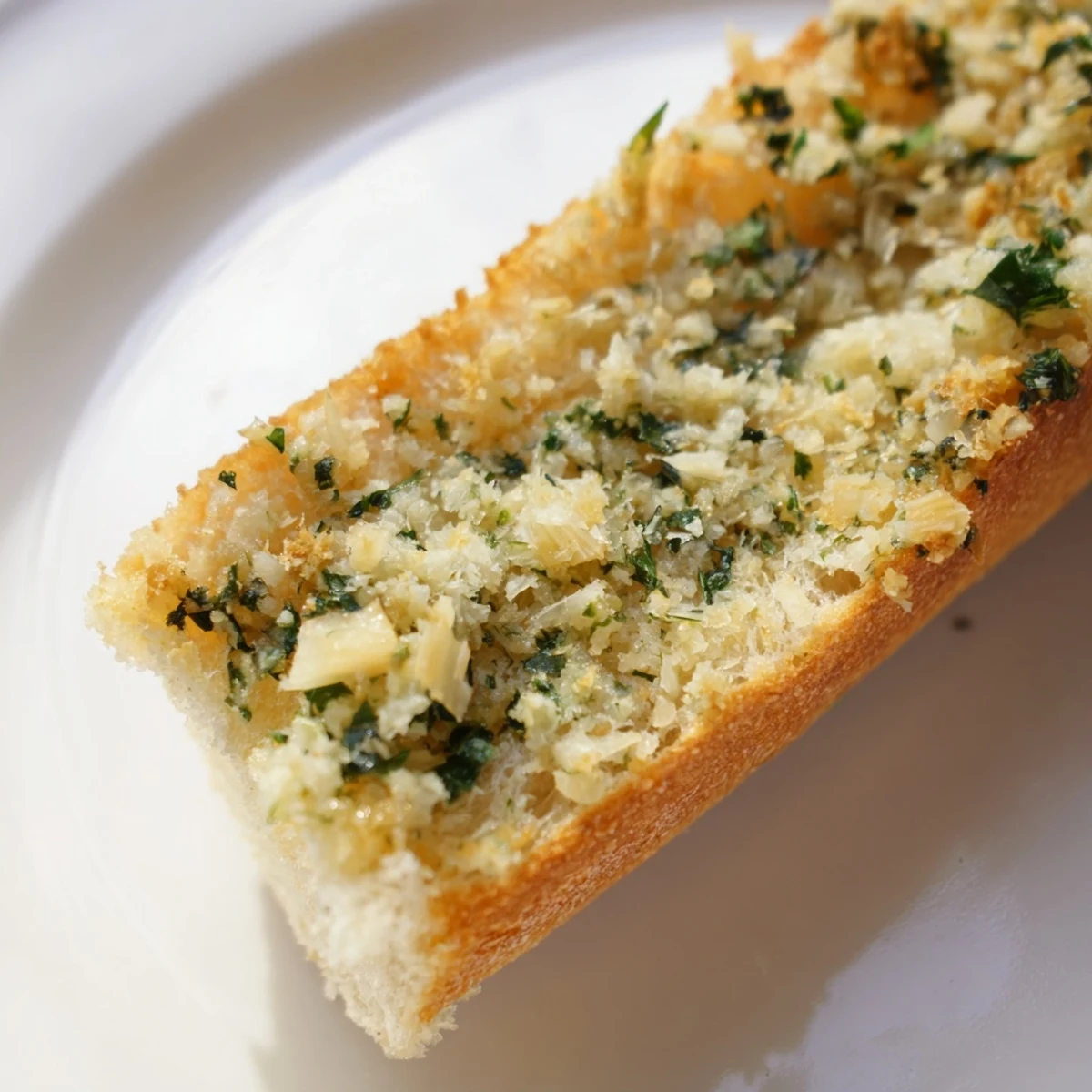
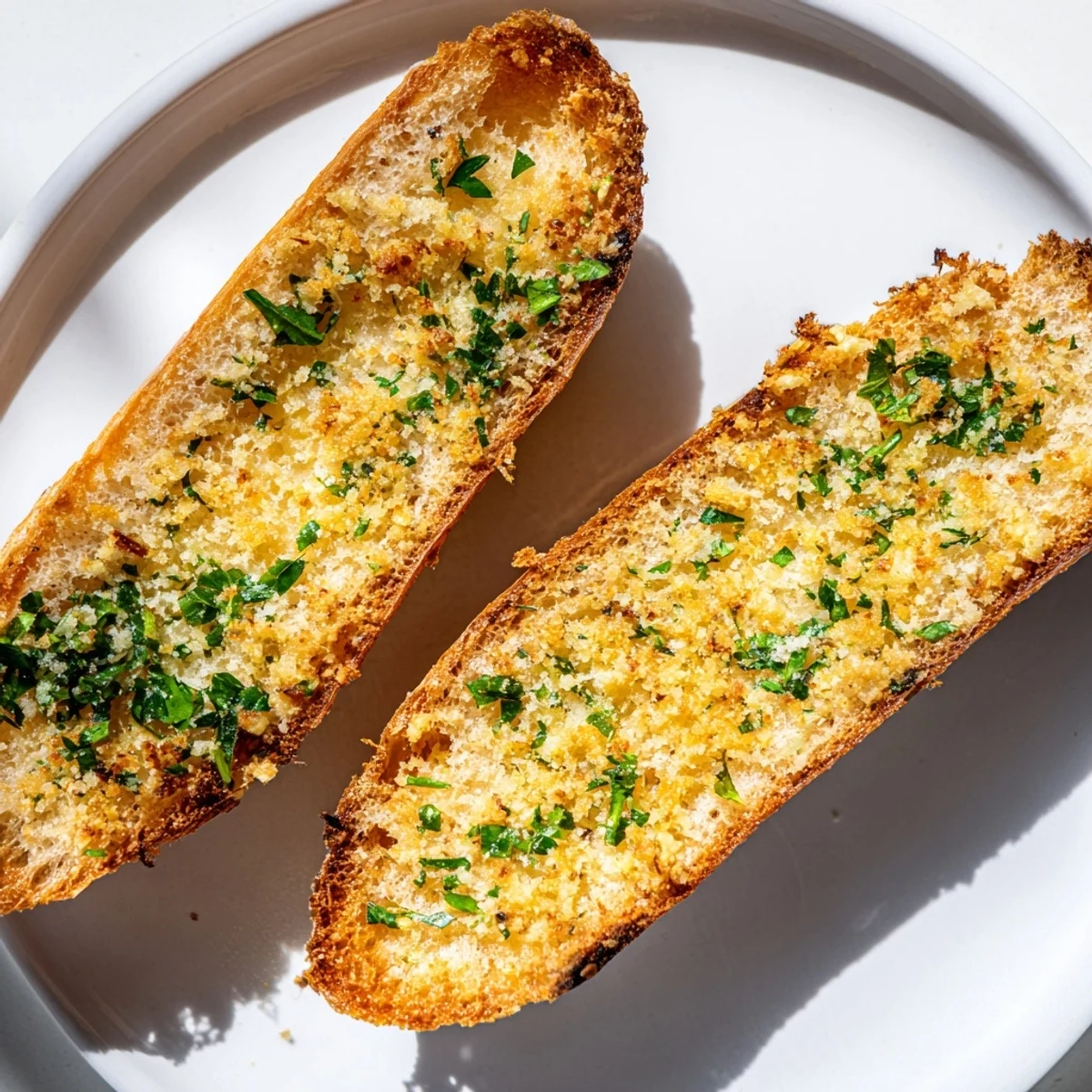
 This dish features crusty French bread generously spread with a blend of softened butter, minced garlic, fresh parsley, and seasoning. Baked at high heat, the bread becomes golden and bubbling with flavorful butter, perfect as a savory side or snack. Optional Parmesan and Italian herbs add depth, while variations include chili flakes for heat or fresh herbs for different aromas. Simple tools and minimal prep create a satisfying, aromatic addition to any meal.
There's something about the smell of garlic butter toasting in the oven that makes everyone in the house materialize in the kitchen within seconds. I learned this the hard way one weeknight when I tried sneaking a batch of garlic bread to go with dinner—my daughter appeared before it even finished baking, drawn by the aroma alone. It's the kind of side dish that feels fancy enough for guests but simple enough that you can make it while everything else is coming together on the stove.
I made this for a dinner party once where someone brought store-bought garlic bread, and I realized mine tasted noticeably better because I'd actually minced fresh garlic instead of using powder. The difference was subtle but real, and it became clear that this recipe's magic comes from doing one thing well—letting good butter and fresh garlic shine without overthinking it.
Ingredients
- 1 large French baguette: Choose one that's crispy on the outside but still has some give inside; a day-old baguette works beautifully because it won't get soggy as easily.
- 115 g unsalted butter, softened: Softening it ahead of time means you can mix it smoothly without melting, which keeps the texture perfect.
- 4 large garlic cloves, finely minced: Fresh garlic makes all the difference—don't reach for the jar, just take two minutes to mince it yourself.
- 2 tbsp fresh parsley, finely chopped: This adds brightness and stops the dish from feeling one-note.
- 1/2 tsp salt and 1/4 tsp freshly ground black pepper: Taste as you mix; you might want slightly less if your butter already has salt.
- 1/2 tsp dried Italian herbs (optional): A small pinch that whispers flavor without announcing itself.
- 30 g grated Parmesan cheese (optional): Adds a subtle savory depth if you want the bread a little more complex.
Instructions
- Get your oven ready:
- Heat to 200°C (400°F) and line your baking sheet with parchment paper so nothing sticks and cleanup is easy.
- Slice your bread:
- Cut the baguette lengthwise into two long halves, creating two flat surfaces for the butter to cling to. Place them cut side up on the sheet.
- Mix your garlic butter:
- In a bowl, combine softened butter, minced garlic, parsley, salt, pepper, and any herbs or cheese you're using. Stir until everything is smooth and evenly distributed; you want the garlic and parsley throughout, not clumpy.
- Spread generously:
- Using a spoon or spatula, spread the garlic butter mixture evenly over both bread halves, making sure to cover the edges and corners where all the flavor hides.
- Bake until golden:
- Pop it in the oven for 12-15 minutes; you'll know it's ready when the edges turn golden and the butter bubbles slightly where it meets the crust.
- Crisp it up (optional):
- If you want extra crunch, broil for 1-2 minutes on high, but watch it closely because it can burn in seconds.
- Cool and slice:
- Let it rest for a minute so it's not painfully hot, then slice into individual pieces and serve while it's still warm enough to taste incredible.
 Pin It
 This bread has a way of becoming the thing people remember most about the meal. I've had guests ask for the recipe, expecting some complicated technique, only to seem almost disappointed when I tell them it's just butter, garlic, and a hot oven—until they make it and realize those simple ingredients are exactly why it works.
Variations to Make It Your Own
The beauty of garlic bread is how it adapts to what you're serving and what you have on hand. I've added chili flakes on nights when I wanted heat, swapped parsley for fresh basil when I wanted something more delicate, and even stirred in a little lemon zest once just to see what would happen. Each version felt different but equally right, which is the mark of a recipe that doesn't need fixing.
Timing and Make-Ahead
You can prepare the garlic butter mixture up to two days ahead and keep it wrapped in the fridge, which means on a busy weeknight you're only slicing bread and spreading butter. I learned to do this when I started planning meals in advance, and it turned this dish into an absolute lifesaver on nights when everything was happening at once.
Serving and Storage
Garlic bread is best eaten fresh and warm, which is the only real downside to making it—there's no such thing as saving it because no one will leave any behind. Leftover slices can be reheated in a low oven for five minutes if you somehow have them, though I've yet to encounter that situation.
- Pair it with pasta dishes, soups, or salads for an instant upgrade to any meal.
- For a vegan version, swap the butter for plant-based butter and skip the Parmesan cheese.
- Try substituting basil or chives for parsley if you want to change the flavor profile.
 Pin It
 This is the kind of recipe that sneaks into your regular rotation and stays there because it asks so little while giving so much. Once you've made it a few times, you won't need the recipe anymore—just butter, garlic, and confidence.
Common Questions
- → What type of bread works best for this dish?
-
A large French baguette with a crisp crust and soft interior is ideal for absorbing the garlic butter without becoming soggy.
- → Can I add cheese to enhance flavor?
-
Yes, grated Parmesan cheese mixed into the butter adds a rich, savory note and a slight umami boost.
- → How can I achieve an extra crispy top?
-
Broil the bread for 1-2 minutes carefully after baking to develop a golden, crispy surface without burning.
- → What herbs complement the garlic butter best?
-
Fresh parsley is classic, but basil or chives offer alternative fresh herbal notes that harmonize well with garlic.
- → Is it possible to make a vegan version?
-
Replace butter with plant-based alternatives and omit Parmesan to keep it dairy-free while preserving the rich texture.
