
 Pin It
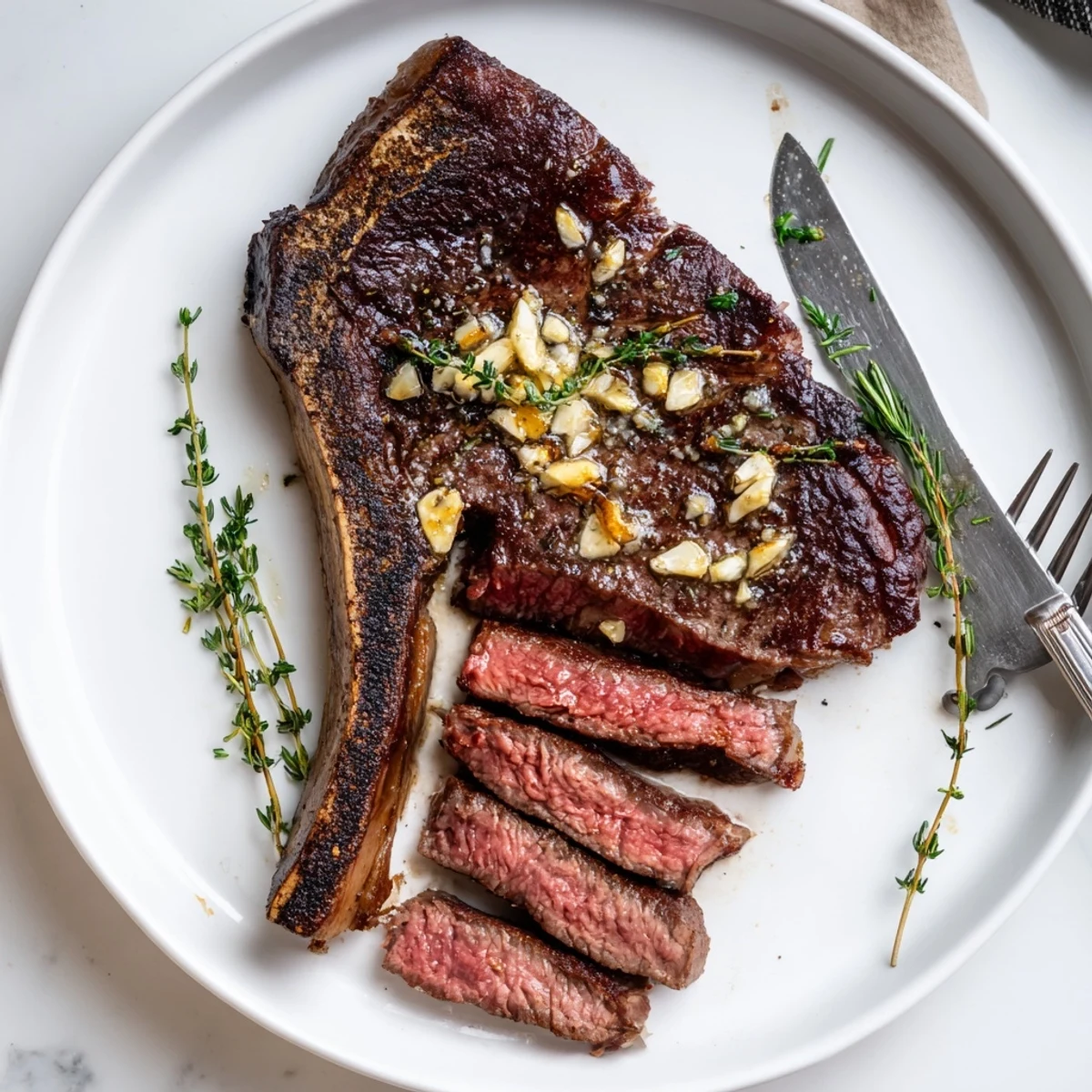
 Achieve restaurant-quality ribeye steak at home with this simple yet impressive technique. Start by bringing your steaks to room temperature and seasoning generously with kosher salt and black pepper. Sear in a smoking hot cast iron skillet to develop that coveted deep brown crust, then finish with basting in melted garlic butter infused with fresh thyme and rosemary.
The basting technique is key—continuously spooning that fragrant butter over the steak ensures maximum flavor and helps achieve perfectly cooked medium-rare meat. Remember to let your steak rest for 5 minutes before serving to lock in those delicious juices. Ready in just 20 minutes, this impressive main dish serves two and is naturally gluten-free.
My husband stumbled into the kitchen one Tuesday evening, exhausted from work, and asked if we could have steak tonight. I'd never cooked a proper steak before, but I had two beautiful ribeyes from the farmers market and a cast iron skillet my grandmother had given me years ago. That night became the first of many steak experiments, with this garlic butter version emerging as our absolute favorite after countless trials.
Last Valentine's Day, I decided to cook this instead of making reservations. The smell of sizzling garlic and butter filled our tiny apartment while my husband set the table. We ended up eating standing up in the kitchen, too impatient to bother with the dining room, both agreeing it was better than anything we'd had at restaurants.
Ingredients
- Two boneless ribeye steaks: 1 to 1.5 inches thick is ideal for that perfect edge to edge medium rare
- Kosher salt: generous seasoning is crucial for developing that amazing crust
- Freshly ground black pepper: creates a nice spicy contrast to the rich butter
- Unsalted butter: lets you control the salt level while adding richness
- Fresh garlic cloves: crushed releases more flavor into the butter
- Fresh thyme and rosemary: these woody herbs stand up to high heat beautifully
- Olive oil: has a higher smoke point than butter for the initial sear
- Flaky sea salt: optional finishing touch that adds gorgeous texture
Instructions
- Bring your steaks to room temperature:
- Take them out of the refrigerator 30 minutes before cooking and pat them completely dry with paper towels
- Season generously:
- Coat both sides with kosher salt and black pepper, pressing it gently into the meat
- Get your skillet screaming hot:
- Heat the cast iron over high heat for 3 to 5 minutes until you can feel the heat radiating
- Seize the sear:
- Add olive oil, place the steaks in the pan and do not touch them for 2 to 3 minutes until a deep brown crust forms
- Flip and add butter:
- Turn the steaks, add butter, garlic, thyme and rosemary to the pan
- Baste like a pro:
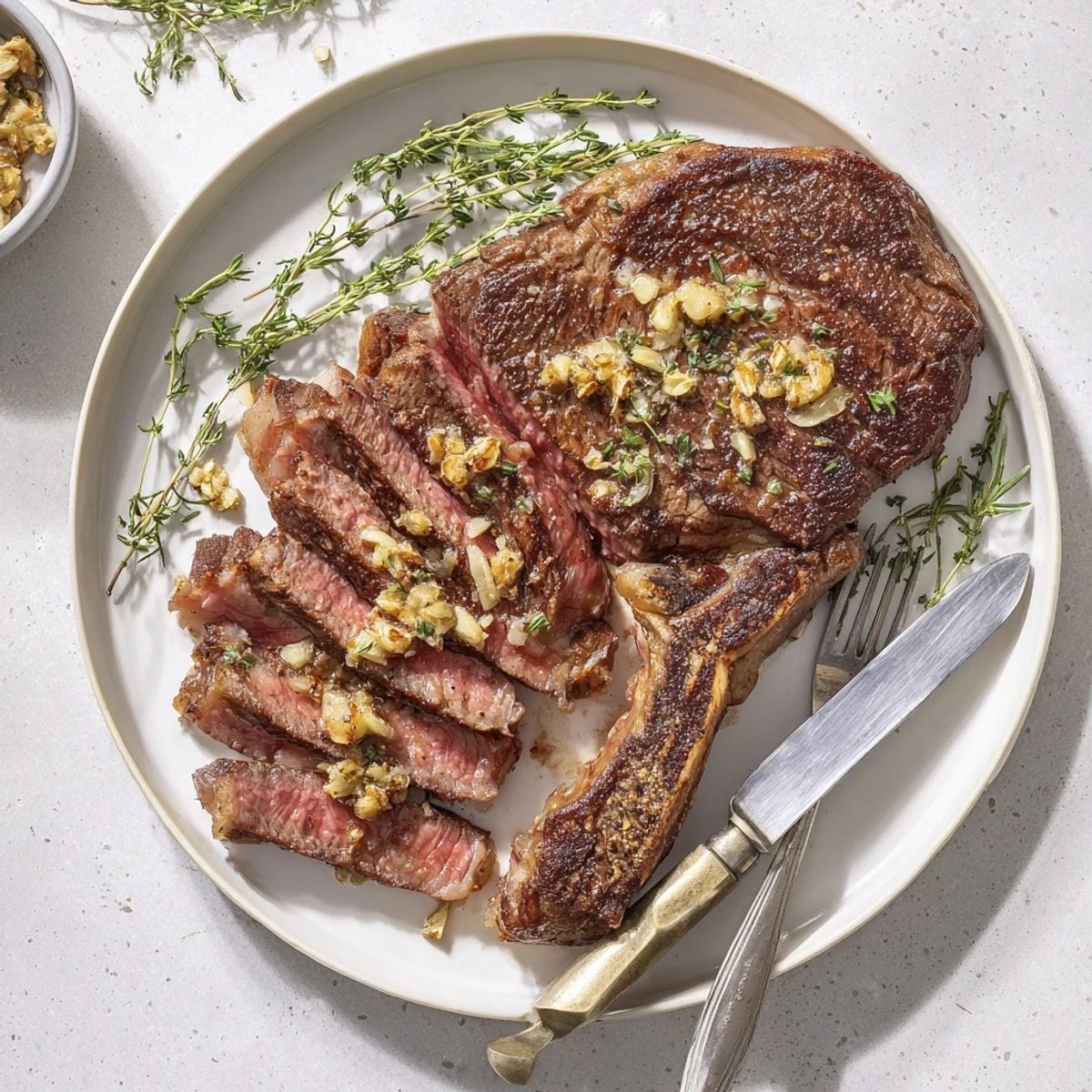
- Tilt the pan slightly and continuously spoon the melting garlic butter over the steaks for 2 to 3 minutes
- Rest the meat:
- Transfer to a plate and tent loosely with foil for 5 minutes to let the juices redistribute
- Serve with love:
- Slice against the grain and spoon the pan juices over the top
 Pin It
 This recipe became my go to for celebrating small wins. Got a promotion? Made it through a tough week? Finally finished that project? The garlic butter steak appears on the table, making even ordinary Tuesdays feel special.
The Resting Period Matters
I used to slice into steaks immediately, watching all those beautiful juices run onto the cutting board. Learning to let meat rest for even five minutes completely changed the texture and moisture level of every steak I cook now.
Choosing The Right Pan
Cast iron retains heat like nothing else, which is crucial for getting that restaurant quality crust. Nonstick pans simply cannot get hot enough to create the same sear. If you do not have cast iron, a heavy stainless steel skillet is your best alternative.
Doneness Guide
Everyone prefers their steak cooked differently, and using a thermometer takes all the guesswork out of achieving perfect results every single time.
- 120°F to 125°F for medium rare
- 130°F to 135°F for medium
- 140°F to 145°F for medium well
 Pin It
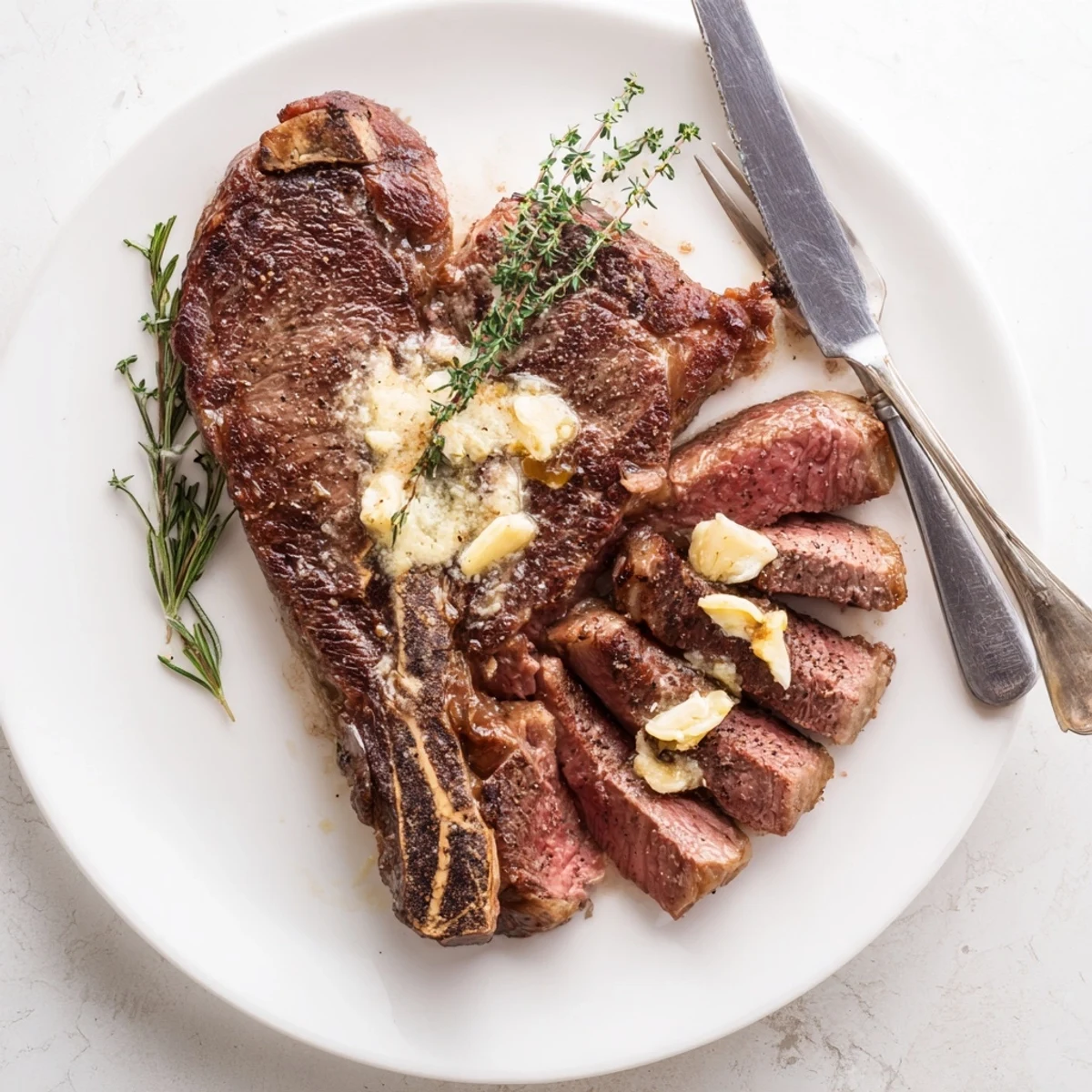
 There is something deeply satisfying about cooking a perfect steak at home. The combination of sizzling sounds, incredible aromas, and that first bite makes all the practice worth it.
Common Questions
- → Why let steak reach room temperature before cooking?
-
Bringing steak to room temperature ensures even cooking throughout. Cold meat tends to overcook on the outside while remaining undercooked inside. Thirty minutes at room temperature helps achieve consistent results.
- → How do I know when the skillet is hot enough?
-
Heat your cast iron skillet over high heat for 3–5 minutes. You'll know it's ready when it's smoking slightly. A properly preheated pan creates that essential sear and flavorful crust.
- → What is basting and why is it important?
-
Basting involves spooning the melted garlic butter over the steak continuously while cooking. This technique infuses the meat with aromatic flavors from the garlic and herbs while helping it cook evenly and stay juicy.
- → How thick should the ribeye steaks be?
-
Choose steaks at least 1 inch thick, ideally 1–1.5 inches. Thicker cuts allow for proper searing without overcooking the interior, giving you that perfect medium-rare center with a beautifully caramelized exterior.
- → Can I use dried herbs instead of fresh?
-
Fresh thyme and rosemary provide the best flavor, but dried herbs work in a pinch. Use about one-third the amount of dried herbs compared to fresh, and add them earlier with the butter to allow flavors to develop.
- → What internal temperature should I aim for?
-
For medium-rare, target 125°F/52°C. Medium reaches 130–135°F/54–57°C, while medium-well hits 140–145°F/60–63°C. Always insert your thermometer into the thickest part of the steak for accurate readings.
