
 Pin It
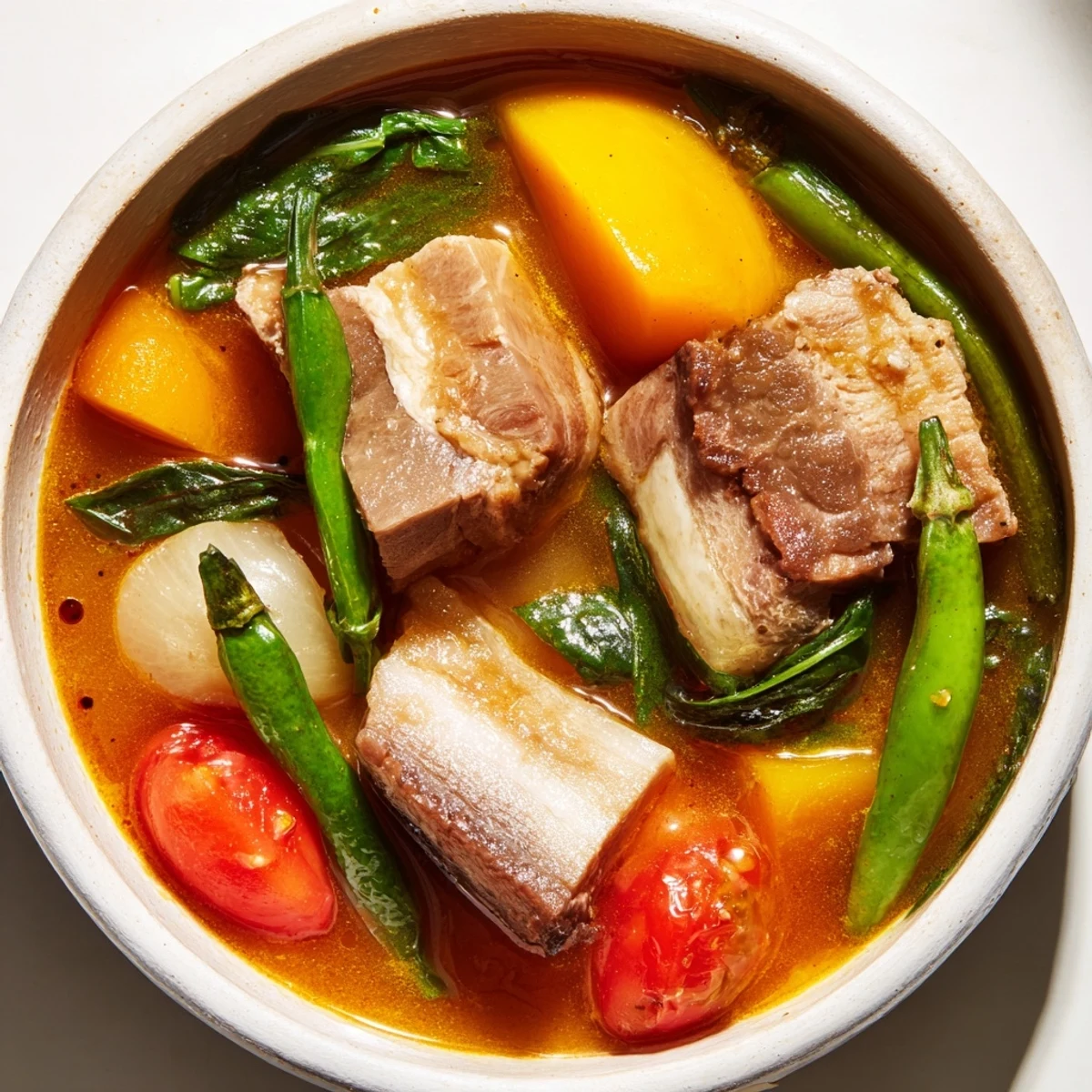
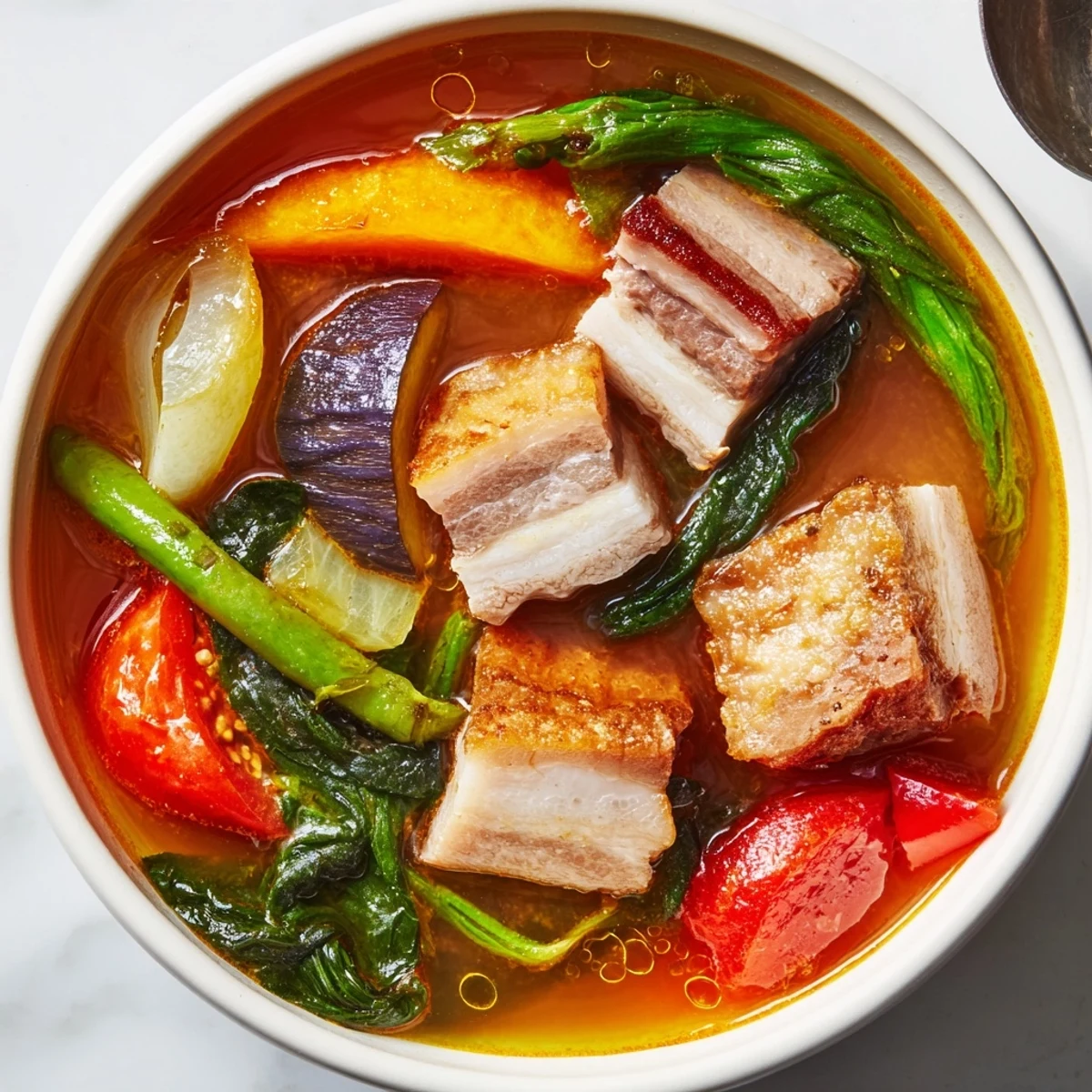
 This hearty Filipino soup combines succulent pork chunks with an array of fresh vegetables in a distinctive sour broth. The tanginess comes from tamarind, creating that signature Sinigang flavor that Filipinos love. The soup is incredibly versatile - you can use pork belly, ribs, or switch to seafood like shrimp or fish for a lighter version.
The vegetables are added in stages to ensure each retains its texture. Daikon radish and eggplant absorb the sour broth beautifully, while string beans and spinach provide freshness and color. The entire cooking process takes just over an hour, making it perfect for weekend family lunches or whenever you crave something warm and comforting.
The rain was tapping against my kitchen window when I finally decided to recreate my lola's sinigang. I'd been putting it off for years, convinced that sour soup needed some kind of magic I hadn't inherited. But standing there with a packet of tamarind mix and chunks of pork belly, I realized sometimes tradition just needs you to show up.
My college roommate walked in while I was simmering the pork, wrinkling her nose at the smell of fish sauce. Two hours later, she was asking for third helpings and demanding I write down the recipe. That's when I knew sinigang had that universal power to turn skeptics into believers, no matter their food background.
Ingredients
- 1 kg pork belly or ribs: Pork belly adds richness but ribs give you that bone-in depth that serious sinigang lovers swear by
- 2 medium tomatoes: They break down into the broth creating subtle sweetness that balances the sour
- 1 large onion: Quartered pieces hold their shape better than chopped ones, giving you bursts of savory flavor
- 1 daikon radish: This absorbs the sour broth beautifully and becomes tender without turning mushy
- 10 string beans: Add them halfway through so they keep their snap and vibrant green color
- 1 eggplant: Sliced rounds soak up the tangy broth like little flavor sponges
- 2 cups spinach or kangkong: Drop these in at the very end just until they wilt, preserving their fresh brightness
- 1 packet tamarind soup base: Fresh tamarind is lovely but this mix delivers consistent sourness every single time
- 2 tbsp fish sauce: Start with less and taste as you go, adding that essential umami depth
- 1 tsp salt and ½ tsp pepper: The final seasoning that brings all the flavors together
- 6 cups water: This amount creates a broth that's substantial but not overwhelming
Instructions
- Get the broth started:
- Bring water to a rolling boil in your largest pot, add pork chunks, and skim off the gray foam that rises to the top. This step is tedious but makes the difference between cloudy and clear soup.
- Build the flavor base:
- Toss in quartered tomatoes and onions, then let everything simmer gently for 20 minutes until the pork starts yielding to your fork.
- Add the harder vegetables:
- Drop in daikon radish slices and give them 10 minutes to soften while infusing their subtle sweetness into the developing broth.
- Bring in the rest of the vegetables:
- Add eggplant, string beans, and those green chilies if you like gentle heat. Let them simmer for just 5 minutes so they stay tender but not falling apart.
- Create the signature sourness:
- Stir in the tamarind soup base until fully dissolved, then taste and adjust. The sour should make your mouth pucker slightly but still feel pleasant.
- Season to perfection:
- Add fish sauce, salt, and pepper, then taste again. The balance should be sour first, then savory, with a gentle warmth from the pork.
- Finish with greens:
- Drop in spinach leaves and turn off the heat after 2 minutes. They should be just wilted, bright green, and still holding their shape.
 Pin It
 Last Christmas, my aunt who swore she'd never like anything with fish sauce ended up asking for the soup recipe instead of dessert. That's the thing about sinigang, it doesn't ask for permission to win people over, it just happens.
Making It Lighter
On hot summer days, I swap pork for shrimp or fish, adding them in the last ten minutes so they don't toughen. The broth stays just as satisfying without the heavy richness, perfect when you want all the flavor without the food coma.
The Fresh Tamarind Option
When I found fresh tamarind pods at an Asian market, I boiled them until soft, mashed everything through a strainer, and used that pulp instead of the mix. The flavor was more complex and somehow brighter, worth the extra effort if you're feeling ambitious.
Vegetable Freedom
My version includes whatever needs using from the fridge drawer. Okra works beautifully, taro chunks add substance, and sometimes I throw in bell peppers for color. The sour broth makes almost anything taste intentional.
- Add heartier vegetables first so everything finishes cooking together
- Keep some vegetables in reserve to add as you serve, maintaining texture
- Never skip the tomatoes, they're essential to the flavor foundation
 Pin It
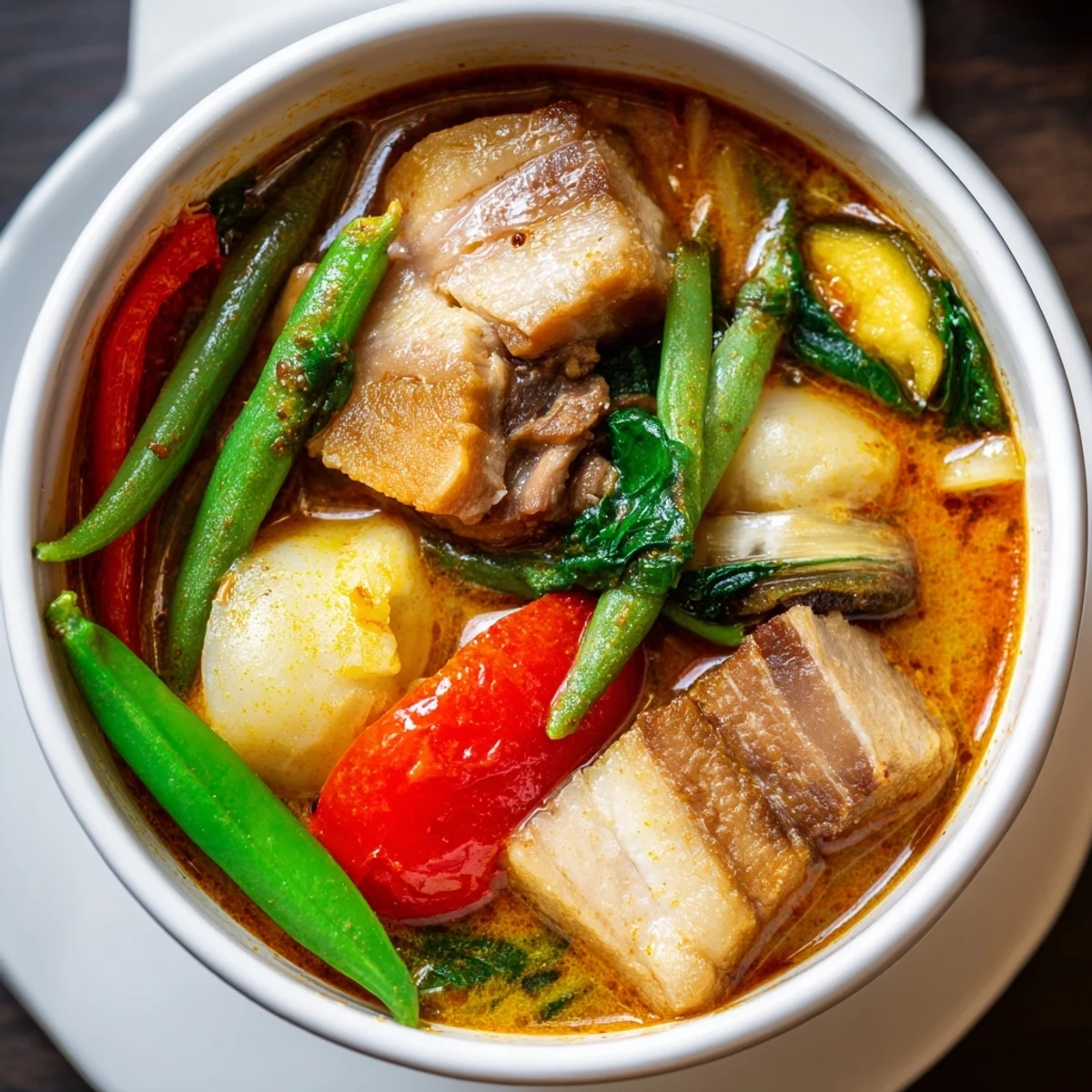
 There's something about a steaming bowl of sinigang that feels like home, even if you've never been to the Philippines. Sometimes the best recipes are the ones that find you.
Common Questions
- → What makes Sinigang sour?
-
The signature sourness comes from tamarind, either using fresh tamarind pulp or a convenient soup base mix. The tamarind creates that distinctive tangy flavor that Sinigang is known for.
- → Can I use other proteins besides pork?
-
Absolutely. While pork belly and ribs are traditional, you can substitute with beef, shrimp, or fish. Seafood versions are lighter and should be added during the last 10 minutes of cooking to prevent overcooking.
- → What vegetables work best in Sinigang?
-
Classic additions include daikon radish, eggplant, string beans, tomatoes, onions, and leafy greens like spinach or kangkong. You can also add okra or taro based on preference.
- → How do I adjust the sourness level?
-
Start with the recommended amount of tamarind base, then taste the broth. Add more gradually if you prefer it more sour, or balance with additional salt or a bit more water if needed.
- → What should I serve with Sinigang?
-
Steamed white rice is the traditional accompaniment. The rice helps balance the sour broth. A chilled glass of Sauvignon Blanc also pairs wonderfully with the tangy flavors.
- → Can I make Sinigang ahead of time?
-
Yes, the flavors actually develop better when made ahead. Store in the refrigerator and reheat gently, adding the leafy greens fresh when reheating so they don't become mushy.
