
 Pin It
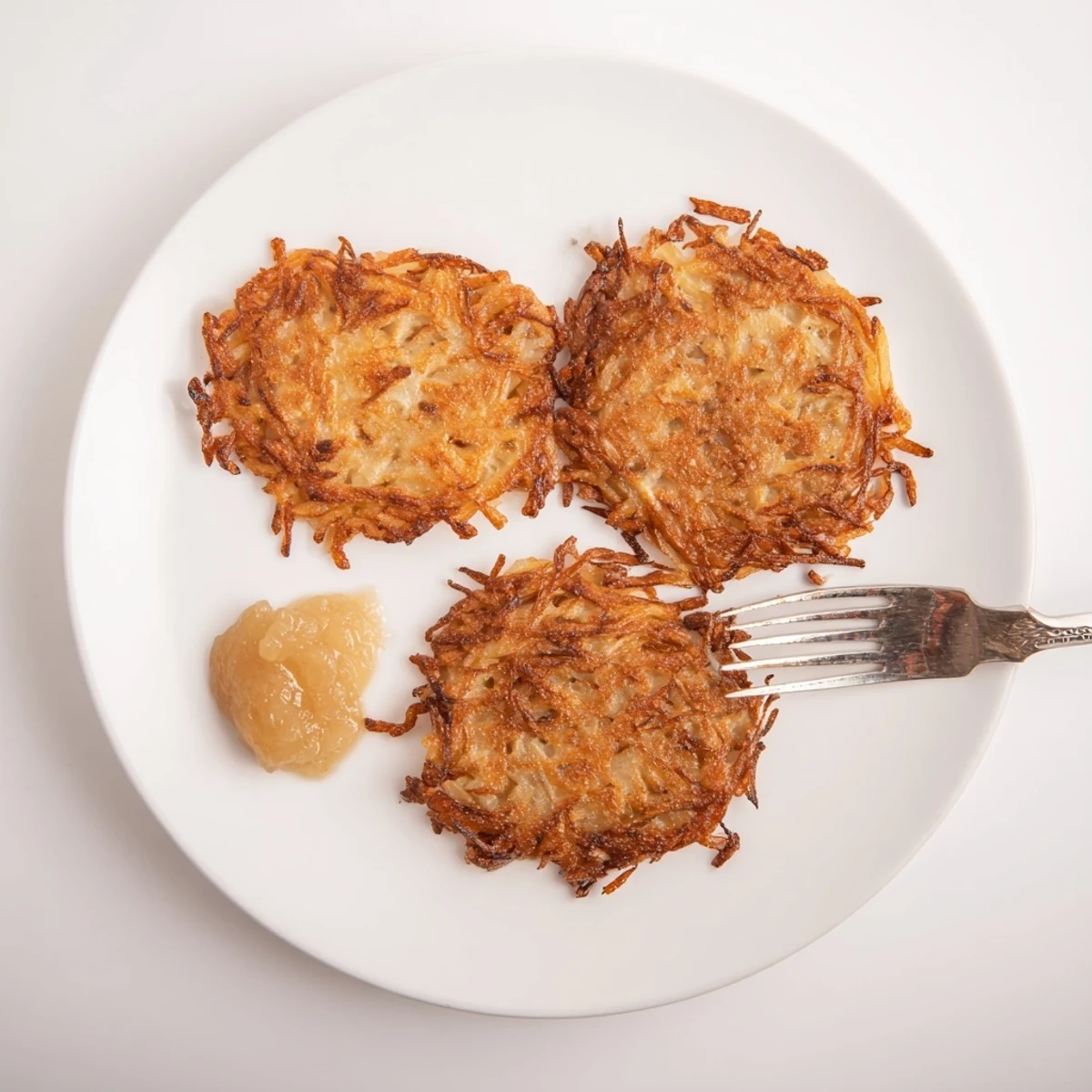
 These authentic German potato pancakes deliver the perfect balance of crispy exterior and tender, fluffy interior. Made with simple ingredients—starchy potatoes, onion, eggs, and traditional seasonings like nutmeg—they fry up golden brown in just minutes.
The key to achieving that signature crunch lies in thoroughly squeezing excess moisture from the grated potatoes before frying. This classic technique ensures each pancake develops beautiful caramelization while staying light inside.
Ready in under an hour, these versatile pancakes shine as a hearty snack alongside tangy applesauce, or serve as the perfect accompaniment to roast meats and fresh salads. The batter comes together quickly and makes enough for four generous servings.
The smell of grated potatoes hitting hot oil still takes me back to my grandmother's tiny kitchen in Berlin, where I'd stand on a stool watching her work magic with the most humble ingredients. She never measured anything, yet every pancake emerged perfectly golden and impossibly crisp. Now whenever I make these, I can almost hear her gentle hum and feel the warmth of that crowded, love-filled room.
Last winter, my roommate stumbled home from a late shift smelling like cold rain and exhaustion. I had just finished making a batch of these potato pancakes, her absolute comfort food. We sat at the kitchen table in our pajamas, dipping hot pancakes into applesauce and talking about everything and nothing until the sun came up.
Ingredients
- 900 g (2 lbs) starchy potatoes, peeled: Russet or Maris Piper potatoes work best here—their high starch content creates that perfect crispy exterior while keeping the inside tender and fluffy
- 1 small onion, peeled: This adds a subtle sweetness and depth that balances the earthy potatoes, plus it helps create those beautiful golden brown edges
- 2 large eggs: Essential binding agents that hold everything together without making the pancakes heavy or doughy
- 2 tbsp all-purpose flour: Just enough to absorb excess moisture and give structure without masking the potato flavor
- 1 tsp salt: Enhances the natural potato flavor and helps draw out moisture during the resting process
- 1/4 tsp ground black pepper: Adds a gentle warmth that cuts through the richness of the fried potatoes
- 1/4 tsp freshly grated nutmeg (optional): A classic German touch that adds an intriguing, almost sweet note that somehow makes everything taste more special
- 120 ml (1/2 cup) neutral oil: You need enough oil to shallow-fry properly—sunflower or canola oil won't compete with the delicate potato flavor
Instructions
- Prep your potato mixture:
- Grate the potatoes and onion using the coarse side of a box grater or pulse in a food processor until you have a coarse, textured mixture—over-processing will make them gummy and dense.
- Remove excess moisture:
- Place the grated mixture in a clean kitchen towel and squeeze with all your strength until you've extracted as much liquid as possible—this is the secret to achieving maximum crispiness.
- Mix the batter:
- Transfer the squeezed potato mixture to a large bowl and add eggs, flour, salt, pepper, and nutmeg if using. Mix thoroughly until everything is evenly combined and the mixture holds its shape when pressed.
- Heat the oil:
- Pour the oil into a large nonstick skillet and heat over medium-high heat until it shimmers slightly—test it by dropping in a tiny bit of batter, it should sizzle immediately.
- Form the pancakes:
- Drop heaping tablespoons of the potato mixture into the hot oil, spacing them about an inch apart, then flatten gently with a spatula to form pancakes about 1 cm thick—don't press too hard or they'll become dense.
- Fry to perfection:
- Cook for 3 to 4 minutes on the first side until deep golden brown and crisp, then carefully flip and fry for another 3 to 4 minutes until both sides are equally golden and the edges are lacy and crispy.
- Drain and keep warm:
- Transfer the finished pancakes to paper towels to drain excess oil, then keep them warm in a 200°F oven while you finish frying the remaining batter.
- Serve immediately:
- These are best enjoyed straight from the pan while still hot and crispy, served with generous dollops of cool applesauce or tangy sour cream for dipping.
 Pin It
 My dad used to make these every Sunday morning during football season, standing at the stove with a beer in one hand and a spatula in the other. The whole house would smell like frying potatoes and happiness, and we'd all gather around the platter, fighting over the crispiest ones while the game played in the background.
Getting the Perfect Texture
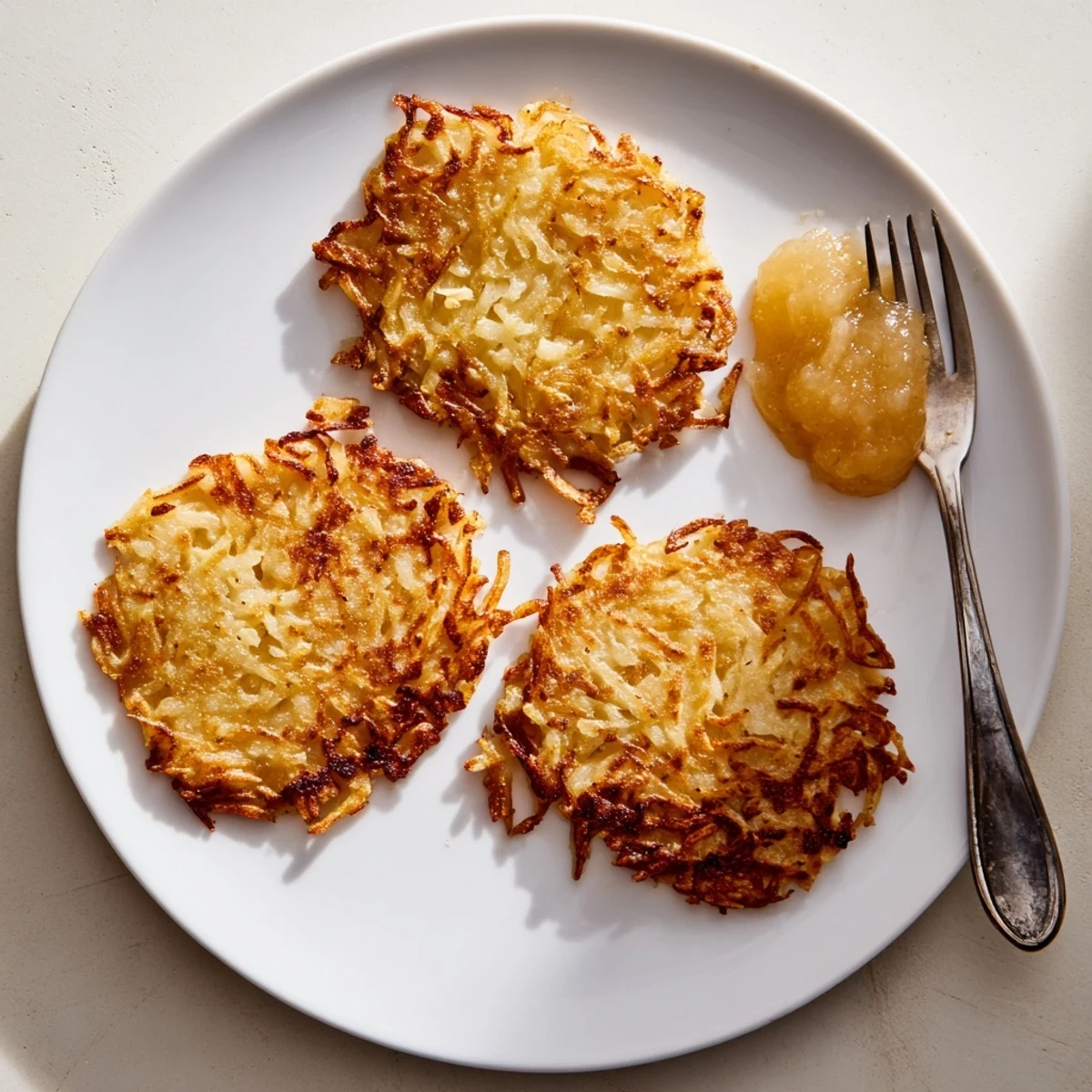
The difference between good and great potato pancakes comes down to the moisture content in your potatoes. I've learned that some potatoes are naturally wetter than others, even within the same variety. If your mixture feels particularly wet after squeezing, add another tablespoon of flour—it's better to slightly adjust than to end up with disappointing soggy centers. The batter should hold its shape when you drop it into the pan but still look somewhat loose and rough, not smooth like traditional pancake batter.
Serving Ideas
While applesauce and sour cream are the traditional accompaniments, I've discovered that these pancakes are incredibly versatile. They're fantastic topped with smoked salmon and a dollop of crème fraîche for a more elegant appetizer. For a heartier meal, try them alongside sausages or as part of a traditional German-style breakfast spread. My personal favorite transformation is breaking leftover pancakes into pieces and using them as croutons in a hearty potato soup.
Make-Ahead Tips
You can grate the potatoes and onion up to 4 hours ahead, but squeeze them dry and store the mixture in a bowl covered with plastic wrap directly against the surface to prevent oxidation. Add the eggs and flour right before cooking—adding them too early will make the mixture turn an unappetizing gray and become watery. If you're serving a crowd, set up a warm oven and fry in batches, keeping finished pancakes on a wire rack rather than paper towels so they stay crisp on all sides.
- Grate the potatoes and onions in advance if you're short on time, just wait to add the eggs
- Keep cooked pancakes on a wire rack in a warm oven instead of stacking them on paper towels
- If the mixture starts to release liquid while sitting, give it one more gentle squeeze before cooking
 Pin It
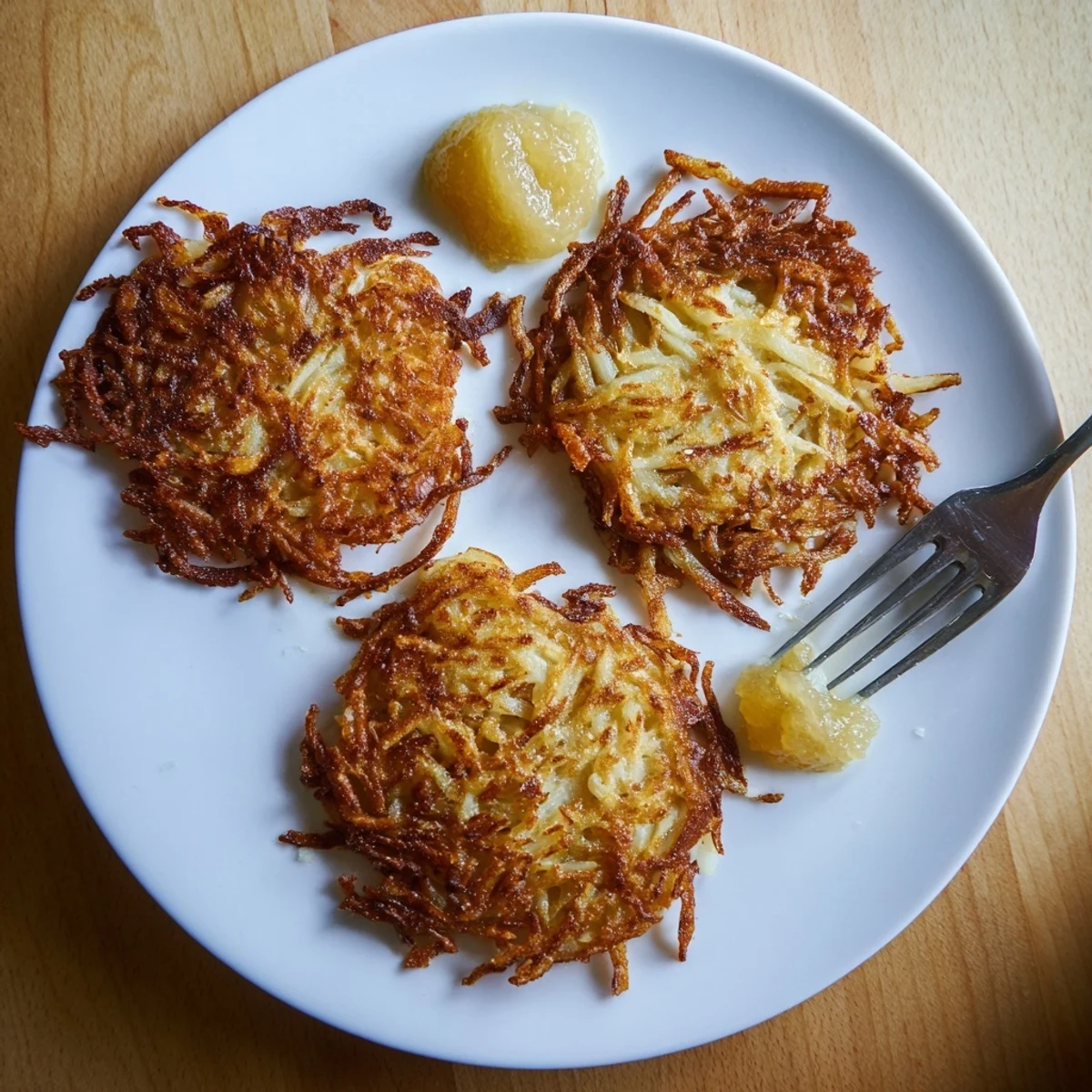
 There's something deeply satisfying about transforming the most ordinary ingredients into something so extraordinarily delicious. These potato pancakes have a way of making any meal feel like a special occasion.
Common Questions
- → What type of potatoes work best?
-
Starchy potatoes like Russet or Maris Piper yield the crispiest results. Their high starch content and lower moisture help achieve that signature golden crunch while maintaining a fluffy interior.
- → Why squeeze out the potato liquid?
-
Removing excess moisture prevents soggy pancakes and promotes even crisping. The liquid contains starch that can make pancakes dense—squeezing it out ensures lighter, crunchier results that fry beautifully.
- → Can I make the batter ahead?
-
For best texture, fry immediately after mixing. Grated potatoes oxidize and release more liquid over time, affecting crispiness. If prepping ahead, grate and squeeze potatoes first, then mix with remaining ingredients just before frying.
- → What temperature should the oil be?
-
Heat oil over medium-high—around 375°F (190°C) is ideal. Too cool results in greasy pancakes; too hot burns the exterior before cooking through. Test by dropping a small bit of batter—it should sizzle immediately.
- → How do I keep them warm while frying batches?
-
Transfer drained pancakes to a baking sheet in a 200°F (95°C) oven. This maintains warmth and crispiness without overcooking. Avoid stacking, as trapped steam makes them lose their crunch.
- → What toppings are traditional?
-
Classic German serving includes tart applesauce or cool sour cream. Warm applesauce complements the savory notes perfectly, while sour cream adds richness. Chopped fresh chives or parsley make excellent garnishes too.
