
 Pin It
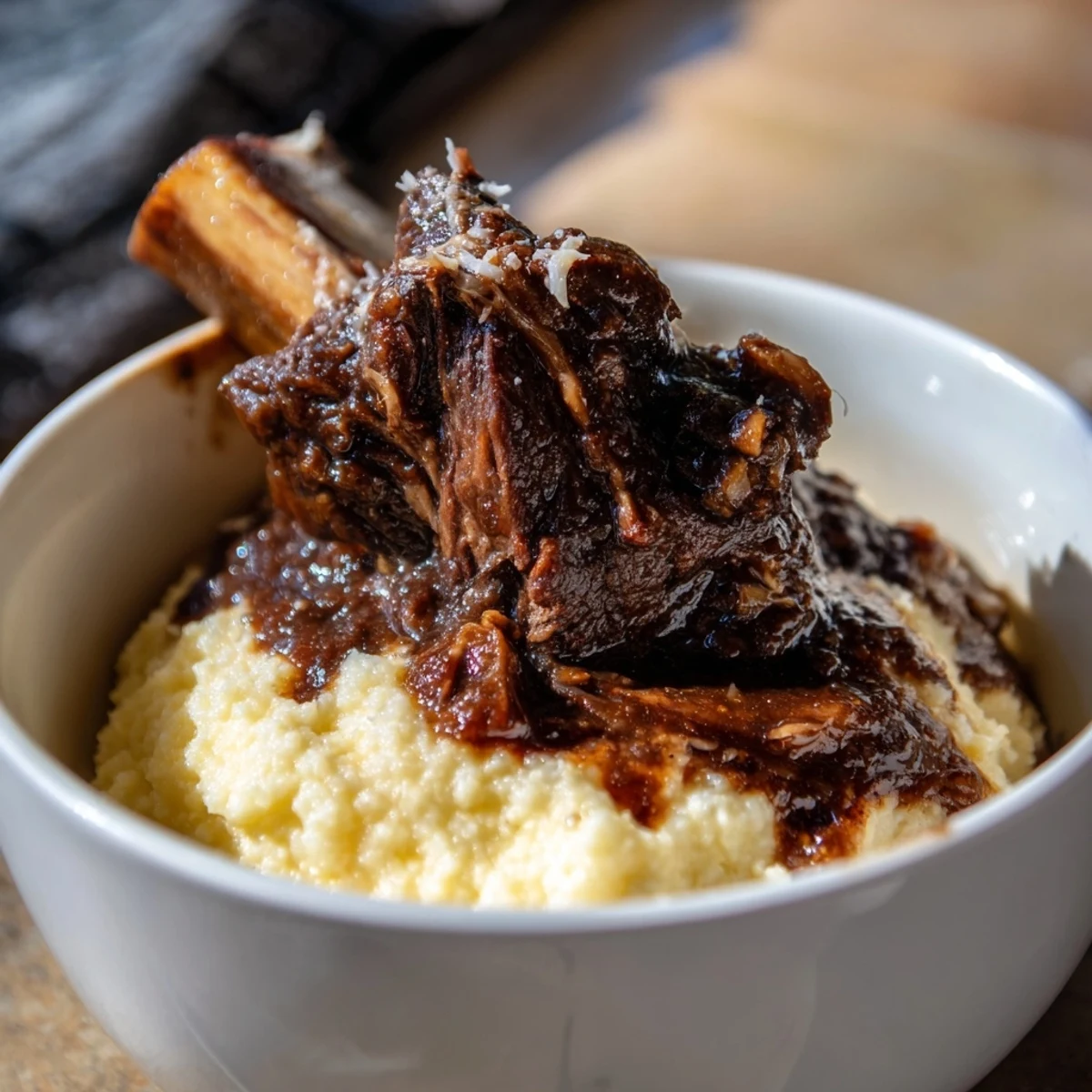
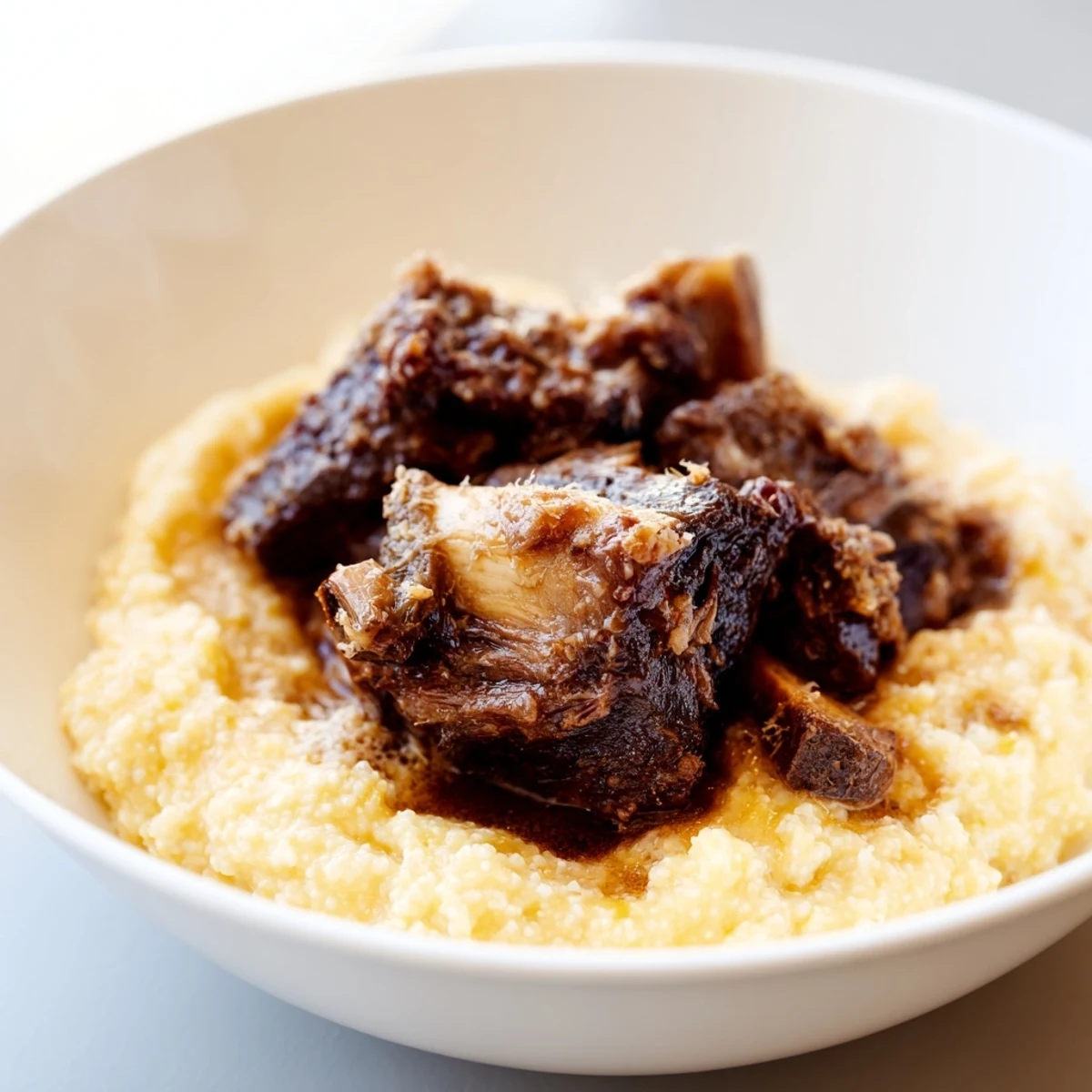
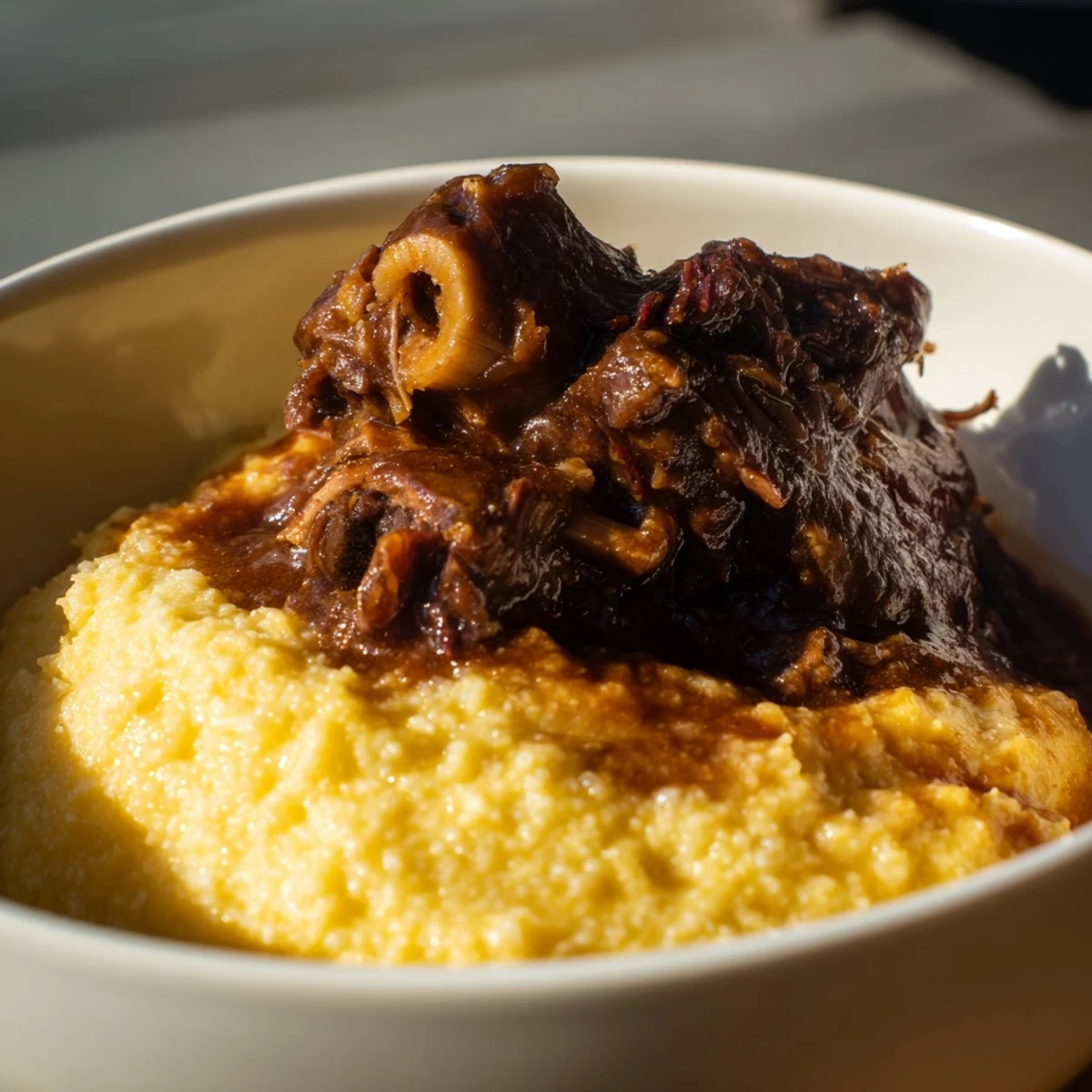
 This dish features tender, fall-off-the-bone beef short ribs slowly braised in aromatic herbs and red wine until rich and savory. The meat is served on a bed of creamy, buttery polenta, enhanced by Parmesan and gentle seasoning. The polenta is whisked slowly to achieve a smooth and velvety texture that complements the robust flavors of the beef. Ideal for cozy dinners or special occasions, it blends classic Italian cooking techniques with comforting textures.
There's a particular winter evening that comes to mind whenever I make this dish—I was standing in my kitchen, listening to rain tap against the window, when I decided that polenta and short ribs felt like the only sensible answer to the cold outside. The first time I braised beef this way, I expected it to be complicated, but what I discovered instead was the opposite: low heat, time, and patience doing all the heavy lifting while I moved through my evening unbothered. Now, when those dark, rainy nights roll around, this is the first thing I reach for.
I remember cooking this for my partner's parents the first time—I was slightly nervous about whether the timing would work out, but the polenta ended up silky and ready exactly as the ribs came out of the oven, almost as if the dish had choreographed itself. Their faces when they took that first bite told me everything I needed to know about whether this recipe belonged in our regular rotation.
Ingredients
- Bone-in beef short ribs (4, about 1.5–2 lbs / 700–900 g): Look for ribs with good marbling and a thick layer of meat—they'll break down into something tender and rich after hours in the oven.
- Salt and freshly ground black pepper: Don't skip the freshness here; pre-ground loses its bite, and these ribs deserve seasoning that actually tastes alive.
- Olive oil (2 tbsp): You need enough heat to get a proper crust on the meat, which is the flavor foundation for everything that follows.
- Onion, carrots, celery (1 large onion, 2 carrots, 2 celery stalks): This aromatic base doesn't just flavor the braise—it becomes part of the soul of the sauce.
- Garlic (4 cloves, minced): Add it after the vegetables soften so it doesn't burn and turn bitter in the hot pan.
- Tomato paste (2 tbsp): A small amount goes a long way; cook it for a minute to deepen its flavor before adding liquid.
- Dry red wine (1 cup / 240 ml): Use something you'd actually drink—the flavor matters, and the alcohol cooks off while the complexity stays.
- Beef broth (2 cups / 480 ml): Check the label for sodium; you'll be reducing this and seasoning as you go.
- Fresh rosemary, thyme, bay leaves (1 sprig rosemary, 2 sprigs thyme, 2 bay leaves): Fresh herbs release their oils more generously than dried ones; tie them together or toss them loose—you'll fish them out before serving.
- Water (4 cups / 960 ml): For polenta, use salted water or you'll end up seasoning constantly as you stir.
- Polenta / coarse cornmeal (1 cup / 160 g): Buy it from the bulk section if you can; it's fresher and cheaper, and you'll taste the difference in creaminess.
- Whole milk (1 cup / 240 ml): This is where the polenta becomes velvety—don't use skim, and add a splash more if it tightens up as it sits.
- Unsalted butter (3 tbsp): Finish with this when everything else is ready; it makes the polenta glossy and luxurious.
- Grated Parmesan cheese (½ cup / 50 g): Freshly grated makes all the difference in texture and flavor depth.
Instructions
- Set your oven and prep the ribs:
- Preheat your oven to 325°F (160°C)—this low, even heat is what transforms tough short ribs into something tender. Season the ribs generously with salt and pepper, letting the seasoning sit while you gather everything else.
- Sear the meat until deeply browned:
- Heat olive oil in a large Dutch oven over medium-high heat until it shimmers. Place the ribs in the pot and resist the urge to move them around—let them sit undisturbed for 3–4 minutes per side until you see a dark, caramelized crust forming. This takes about 8–10 minutes total and is the single most important step for flavor.
- Build your aromatic base:
- Transfer the ribs to a plate. In the same pot (don't clean it—those browned bits are liquid gold), add your diced onion, carrots, and celery. Cook, stirring occasionally, for 5–7 minutes until the vegetables soften and begin to color. Add the minced garlic and cook for another minute until the smell fills your kitchen.
- Caramelize the tomato paste:
- Stir in the tomato paste and cook it for 2 minutes, stirring constantly, so it darkens slightly and loses its raw edge. You'll see it deepen in color and stick slightly to the bottom of the pot—this is exactly what you want.
- Deglaze with wine and reduce:
- Pour in the red wine, using a wooden spoon to scrape up all those caramelized bits stuck to the bottom. Let it simmer for 5 minutes, and you'll watch the volume reduce and the raw alcohol taste cook off.
- Add the braising liquid and return the ribs:
- Pour in the beef broth and add the rosemary, thyme, and bay leaves. Return the short ribs (and any juices that collected on the plate) to the pot, nestling them into the liquid so they're mostly submerged.
- Braise low and slow:
- Cover the pot and transfer it to the oven. Let it braise undisturbed for 2½ to 3 hours, depending on the size of your ribs. The meat is ready when a fork slides through it with almost no resistance and the meat threatens to fall off the bone.
- Make the polenta while the ribs rest:
- About 30 minutes before the ribs are done, bring 4 cups of salted water to a boil in a separate saucepan. Reduce the heat to low and add the polenta in a slow, steady stream while whisking constantly to avoid lumps. This takes patience, but it prevents the gritty texture that happens when polenta clumps.
- Stir the polenta to creamy perfection:
- Once the polenta is combined, stir frequently (every 2–3 minutes) for 20–25 minutes until it thickens and becomes glossy. You'll notice it becoming harder to stir as it thickens, and that's the signal you're close. Stir in the milk, butter, and Parmesan cheese until everything is silky. Season with salt and pepper to taste, then keep it warm over the lowest heat possible, adding a splash more milk if it becomes too thick.
- Finish the sauce and plate:
- Remove the short ribs from the pot and set them aside. Fish out the herb sprigs and bay leaves with a slotted spoon. Skim the excess fat from the surface of the braising liquid (a ladle works perfectly for this). If you prefer a thicker sauce, simmer it uncovered for a few minutes to reduce further.
- Serve with generosity:
- Spoon creamy polenta into wide bowls, top with a short rib, and pour a generous amount of the braising sauce around it. The contrast between the smooth polenta and the tender, savory meat is what makes this dish sing.
 Pin It
 What strikes me most about this dish is how it transforms a few ordinary ingredients into something that feels genuinely luxurious. I've served it to friends who usually order takeout, and watching them slow down and savor each bite reminds me why food cooked with intention matters so much.
Make-Ahead Magic
This is one of those rare dishes that actually improves if you make it a day or two ahead—the flavors deepen and meld overnight in the refrigerator. Reheat the short ribs gently in the braising liquid over low heat on the stovetop (not the microwave, which will dry them out), make fresh polenta the day you serve it, and you'll have a weeknight dinner that tastes like you spent hours in the kitchen. I often braise the ribs on Sunday and use them for an easy, impressive Monday dinner when I'm tired but want to eat something that feels special.
Troubleshooting and Timing
If your short ribs are still tough after 2½ hours, they need more time—every oven varies, and ribs from different butchers cook at different rates depending on their shape and size. Another 30 minutes in a covered pot won't hurt anything. If your polenta seems too thick when you finish it, stir in milk a splash at a time until it reaches the consistency of soft mashed potatoes; if it's too thin, keep it warm and it will thicken slightly as it cooks. Temperature matters here—if your polenta heat is too high, it will scorch and taste burnt, so keep that flame truly low.
Wine Pairings and Serving Suggestions
Serve this with a robust red wine that can stand up to the richness of the sauce—Barolo, Cabernet Sauvignon, or even a good Côtes du Rhône all work beautifully. On the side, steamed broccolini or a sharp, vinegary salad provides a welcome contrast to the richness of the meat and polenta. If you want to be gentle with the dish, serve it with nothing but crusty bread to soak up the sauce, or add a simple arugula salad dressed with lemon and olive oil.
- A dollop of crispy pancetta or prosciutto adds textural contrast if you're serving this at a dinner party.
- Fresh thyme leaves scattered on top just before serving bring a bright, grassy note that cuts through the heaviness.
- If you have truffle oil on hand, a tiny drizzle over the finished dish turns it into something completely indulgent.
 Pin It
 This dish is the kind of cooking that reminds you why kitchens exist—not just to feed people, but to create moments that stick with them. Make it when you have someone to share it with.
Common Questions
- → How long should the beef short ribs be braised?
-
Braise the short ribs for about 2½ to 3 hours until the meat is tender and falls off the bone easily.
- → What gives the polenta its creamy texture?
-
Slowly cooking the polenta with water, milk, butter, and Parmesan while stirring frequently results in its smooth and creamy consistency.
- → Can I prepare the dish ahead of time?
-
Yes, both the braised beef and polenta can be made in advance and gently reheated to preserve their flavors and texture.
- → What herbs are used in the braising sauce?
-
Fresh rosemary, thyme, and bay leaves infuse the braising liquid with aromatic depth and complexity.
- → What sides complement creamy polenta with braised beef?
-
Steamed greens like broccolini or a crisp salad pair well, offering freshness alongside the rich main dish.
