
 Pin It
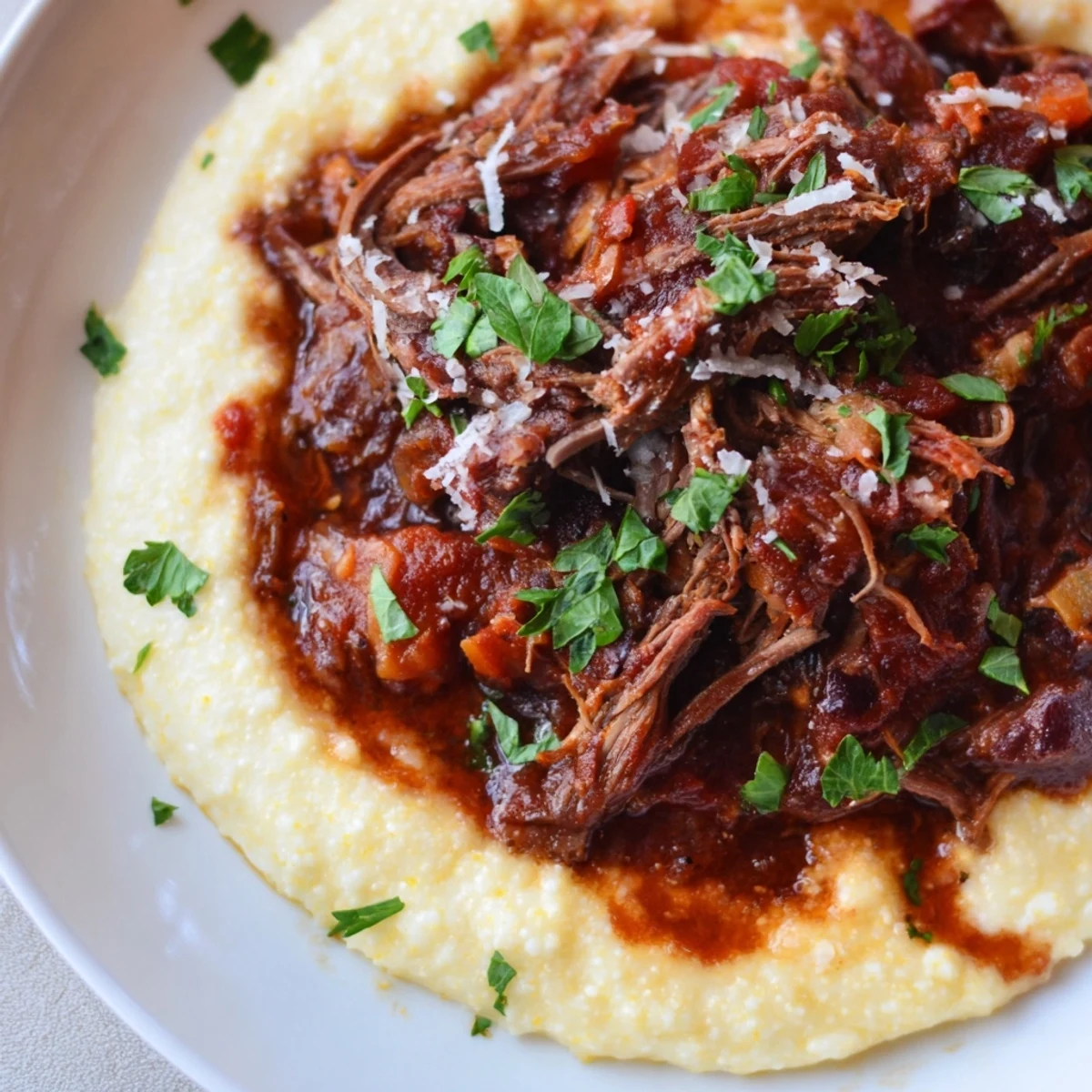
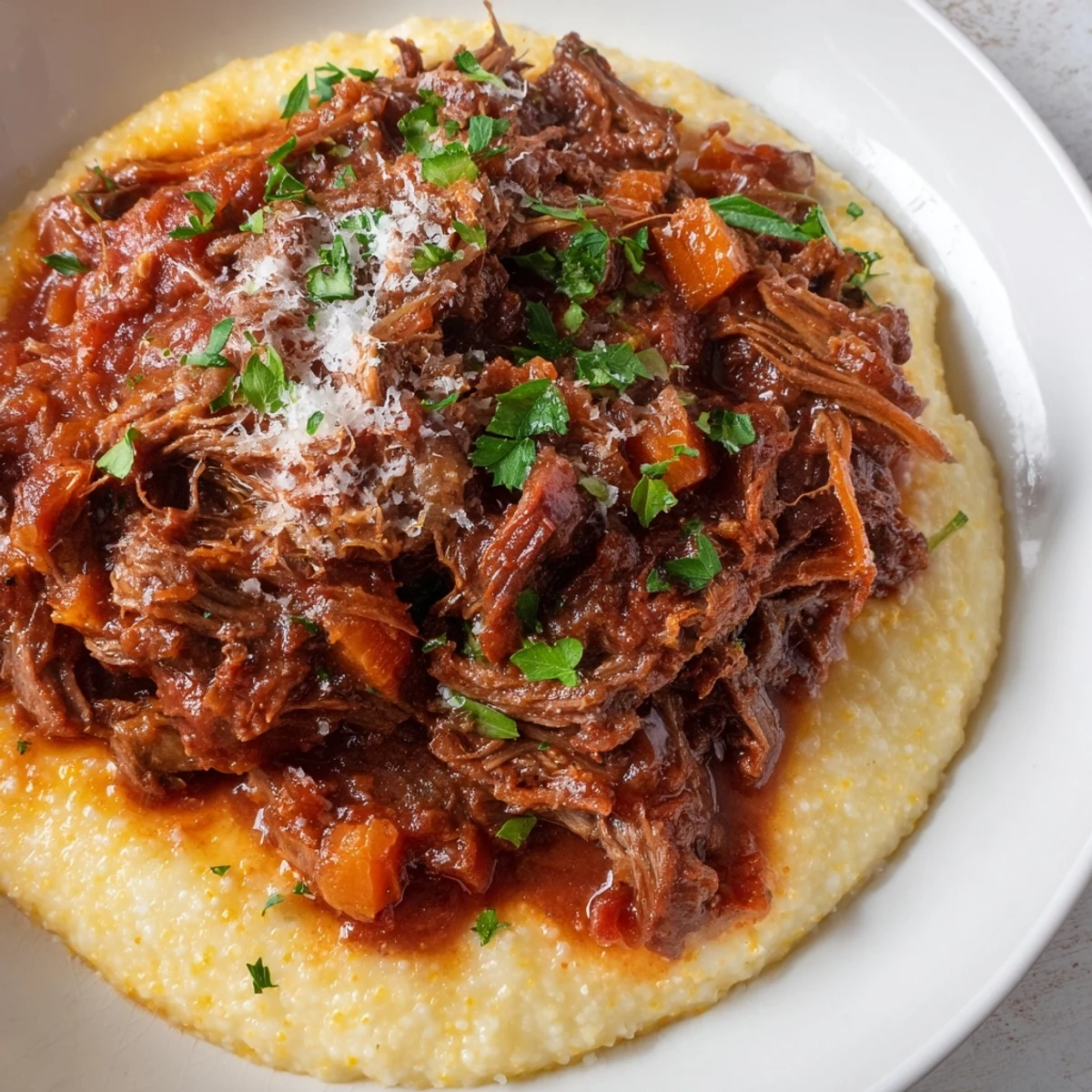
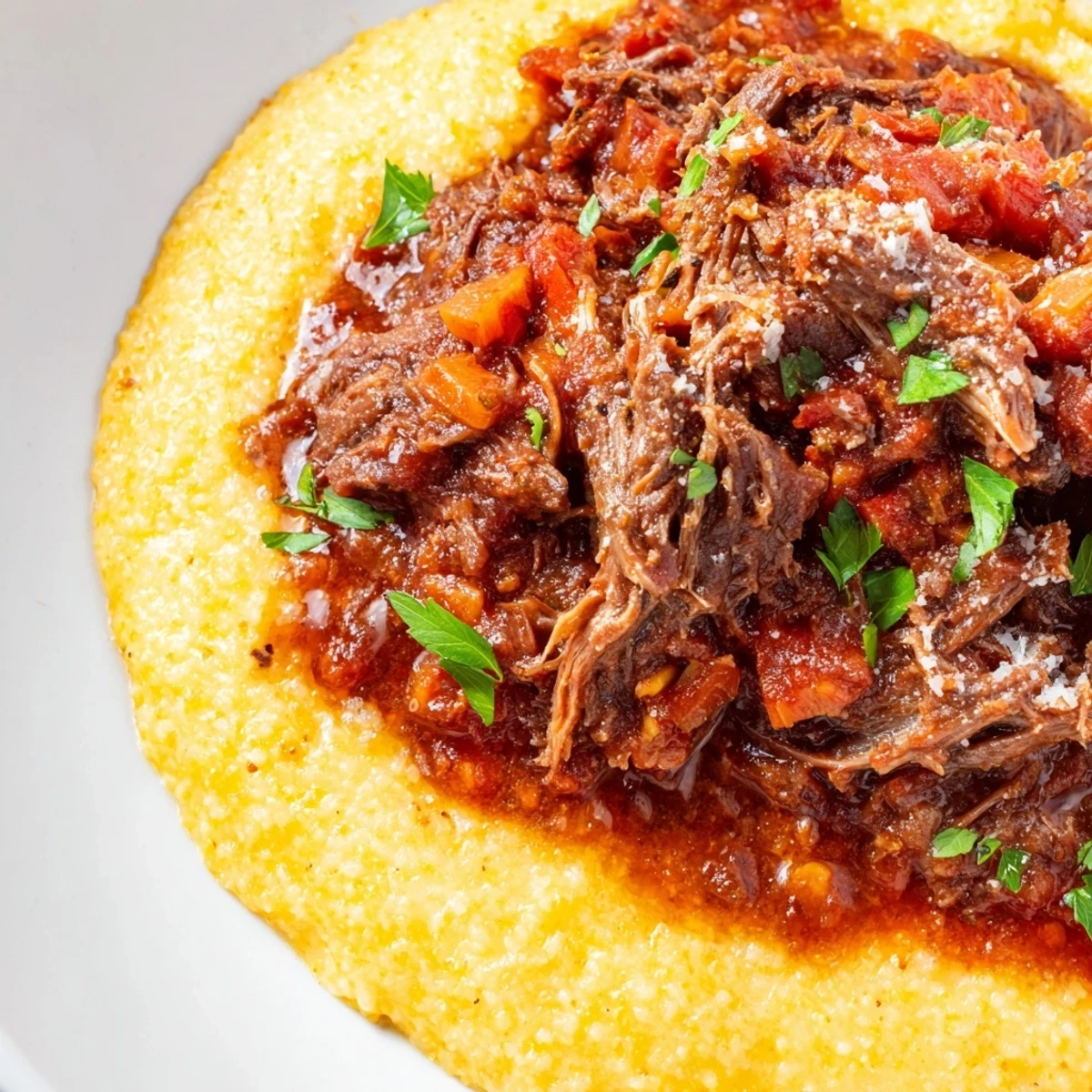
 This dish combines slow-cooked, tender beef braised in a rich tomato and wine sauce with creamy, buttery polenta. The beef chuck becomes fork-tender after hours in the oven, while the cornmeal soaks up milk and Parmigiano-Reggiano for a smooth texture. It's an ideal comfort food that brings warmth to the table, perfect served with extra cheese and a glass of robust red wine.
There's something about the smell of beef browning in a hot pan that stops time. I was making this creamy polenta with braised beef ragu on a gray Sunday afternoon, the kind where you need comfort food more than you need anything else. The kitchen filled with that deep, savory aroma, and suddenly the whole day felt different—purposeful, warm. That's when I knew this dish deserved to become a regular part of my cooking rotation.
I made this for my sister the winter she moved back to our hometown, and watching her eat a full bowl without saying anything told me everything. When she finally looked up, there were tears in her eyes—not sad ones, just the kind that come when you taste something that feels like coming home. That bowl of polenta and ragu became part of her new beginning.
Ingredients
- Beef chuck: This cut has enough marbling and connective tissue to turn silky and rich after braising; ask the butcher to cut it into roughly 2-inch cubes for even cooking.
- Olive oil: Use a sturdy one you don't mind heating—this is about flavor, not pristine finishing quality.
- Onion, carrots, and celery: The holy trinity of flavor, often called soffritto; they build the base that makes the sauce taste like it's been simmering for years.
- Tomato paste: Concentrate it in the pan for a minute to deepen its color and unlock its richness.
- Red wine: A wine you'd actually drink; the cheap stuff tastes cheap after hours of cooking.
- Crushed tomatoes: San Marzano if you can find them, but don't lose sleep over it.
- Fresh thyme and bay leaf: These give the ragu its Mediterranean spine; dried thyme will work if fresh isn't available.
- Beef stock: Homemade is beautiful, but good store-bought won't ruin anything.
- Polenta: Coarse cornmeal, not instant; it takes longer but tastes infinitely better.
- Butter and Parmigiano-Reggiano: These two transform polenta from porridge into something creamy and luxurious.
Instructions
- Heat the oven and get your pot ready:
- Set your oven to 325°F and place your Dutch oven on the stove over medium-high heat with olive oil. You want it shimmering but not smoking.
- Brown the beef in batches:
- Season each piece generously with salt and pepper, then lay them in the hot oil without crowding. Let them sit until golden on one side before turning, about 3-4 minutes per side. Don't rush this—the browning is where the flavor begins.
- Build the aromatic base:
- Remove the beef to a plate, lower the heat to medium, and add your chopped vegetables. The residual heat and browned bits clinging to the bottom are your secret; let them cook gently until softened, then add minced garlic and tomato paste. That paste will darken slightly and smell incredible.
- Deglaze with wine:
- Pour in your red wine and use a wooden spoon to scrape up every fleck of browned beef and vegetable stuck to the pot; that's pure flavor. Let it bubble and reduce for a couple minutes.
- Combine everything and braise:
- Add the crushed tomatoes, thyme sprigs, bay leaf, beef stock, and return the beef and its juices to the pot. Bring it to a gentle simmer, cover it, and slide it into the oven for 2 to 2.5 hours until the beef pulls apart with almost no resistance.
- Finish the ragu:
- Remove the thyme and bay leaf, then use two forks to shred the beef right in the pot, letting it break apart into the sauce. Keep it warm on the lowest heat setting.
- Make the polenta:
- While the beef braises, bring salted water to a rolling boil in a large saucepan. Whisking constantly, add polenta in a thin stream to avoid lumps. This takes patience and arm strength, but the reward is velvet-smooth polenta.
- Cream and finish the polenta:
- After 25-30 minutes of stirring, the polenta will be thick enough that a wooden spoon leaves a trail. Stir in milk, butter, and cheese, tasting as you go and adjusting salt to your liking.
- Plate and serve:
- Spoon creamy polenta into wide bowls, top with a generous ladle of beef ragu, and finish with a shower of extra cheese and fresh parsley if you have it.
 Pin It
 Months later, someone asked me what my favorite recipe to cook is, and I didn't hesitate: this one. It's not the most complicated thing I make, but it's the one that makes me feel most like myself in the kitchen—calm, deliberate, and generous.
Why Beef Chuck Matters
Beef chuck might seem like an odd choice if you're used to buying fancier cuts, but it's exactly what you want here. The marbling and gelatin-rich connective tissue break down during braising and create that silky sauce that coats your spoon. I once tried making this with a leaner cut of beef, thinking I was being health-conscious, and it turned out stringy and dry. Chuck teaches you humility in the kitchen.
The Polenta Technique
Polenta has a reputation for being fussy, and it's earned. The key is respecting its demand for constant attention and, more importantly, using enough liquid. If your polenta looks too thick at any point, add a splash more water or milk; if it's too thin, it'll firm up as you continue stirring. After the first 20 minutes, your shoulders might burn from stirring, but that's when the magic happens—the cornmeal softens, the butter and cheese make it glossy, and suddenly you understand why Italians have been eating this for centuries.
Variations and Swaps
This recipe is flexible in ways that might surprise you. Pork shoulder works beautifully if beef isn't what you're in the mood for, and some people swear by adding a splash of balsamic vinegar or a pinch of chili flakes to the ragu for depth and warmth. If you want to brighten the heavy richness, a handful of fresh parsley stirred in at the end brings lightness. The polenta itself can be made with chicken or vegetable stock instead of water for more flavor, and you can stir in cream instead of milk if you're feeling indulgent.
- A pinch of chili flakes in the ragu adds subtle heat without being obvious.
- Balsamic vinegar, just a splash, rounds out the flavor in ways that feel mysterious and delicious.
- Save the ragu and make polenta cakes with leftovers, pan-fried until crispy on the edges.
 Pin It
 Make this when you need to remember that the best meals are the ones made without rushing. This dish asks for your time and gives back comfort, nourishment, and the kind of satisfaction that lingers long after dinner is finished.
Common Questions
- → Can I prepare the ragu in advance?
-
Yes, the beef ragu develops deeper flavors when made a day ahead. Simply reheat gently on the stove before serving over the freshly made polenta.
- → What cut of beef works best?
-
Beef chuck is the ideal cut for this dish because its connective tissue breaks down during slow cooking, resulting in incredibly tender meat.
- → Is this dish gluten-free?
-
Yes, this dish is naturally gluten-free as polenta is made from corn. However, always check labels on your stock and tomato paste to ensure no additives contain gluten.
- → Can I use instant polenta instead?
-
While traditional polenta offers a superior texture and flavor, you can use instant polenta to save time, following the package instructions for liquid ratios.
- → What wine pairs best with this meal?
-
A robust red wine like Chianti, Barolo, or Sangiovese complements the rich tomato and beef flavors beautifully.
