
 Pin It
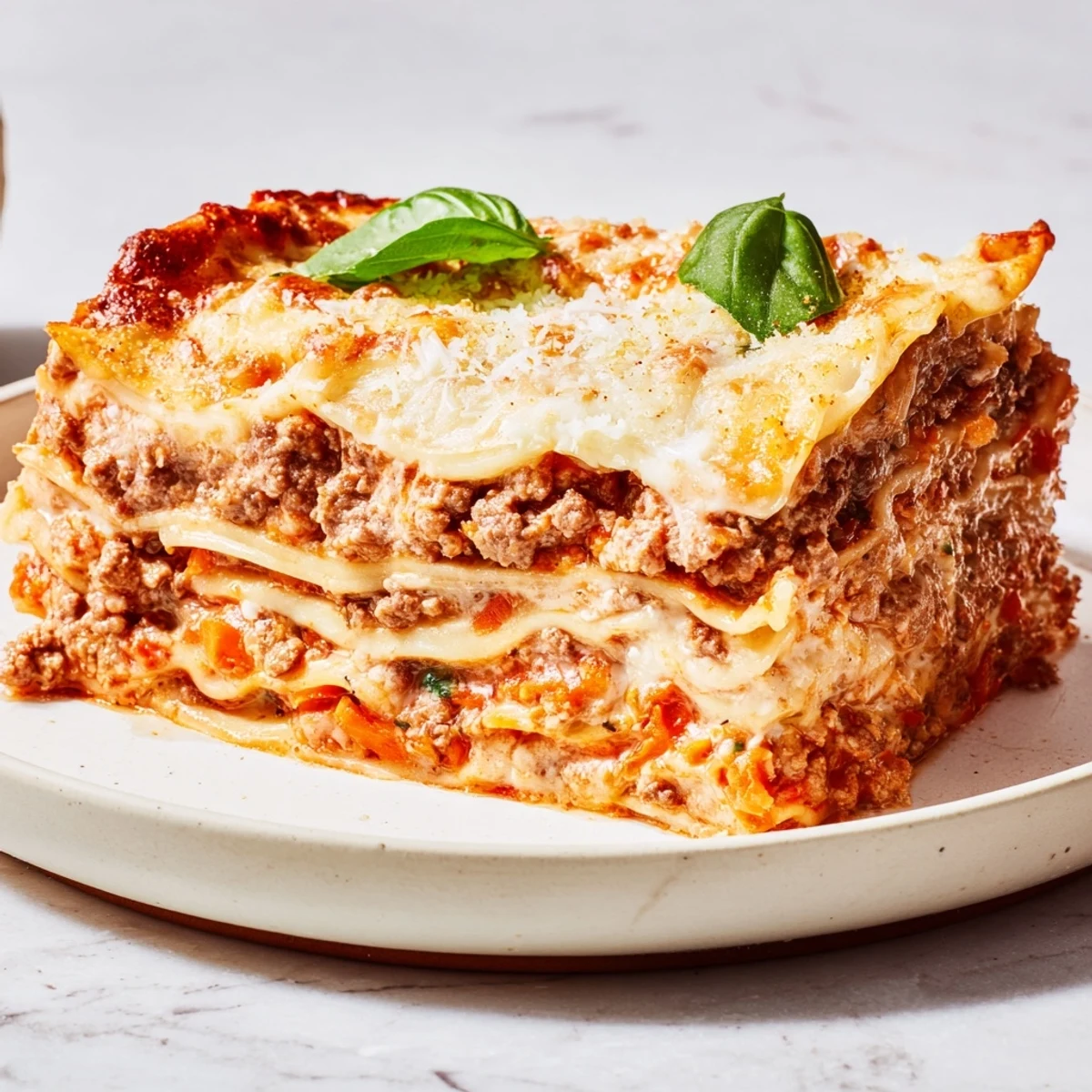
 This Italian favorite features layers of seasoned ground beef simmered with tomatoes and herbs, warm béchamel sauce infused with nutmeg, and tender pasta sheets. Mozzarella and Parmesan create a golden, bubbly crust. The dish bakes to perfection yielding a comforting, flavorful main course ideal for gatherings. Fresh basil adds a bright finishing touch.
My kitchen smelled like garlic and simmering tomatoes for hours the first time I tackled lasagna from scratch, and I nearly gave up halfway through when the béchamel seized into lumps. But I whisked like my life depended on it, salvaged the sauce, and pulled a golden, bubbling masterpiece from the oven that made every bit of chaos worth it. That dish taught me that some recipes demand your full attention and reward you with something unforgettable. Now, every time I layer noodles and sauce, I feel that same thrill of building something truly satisfying.
I made this for my neighbors after they helped me move furniture one rainy Saturday, and the pan came back spotless with a note asking for the recipe. Watching them dig in with genuine delight reminded me that lasagna is more than dinner, it is gratitude you can slice and serve. The layers held together perfectly, and the kitchen filled with laughter as we debated whether the corner pieces were better than the center. That night turned a simple thank you into a tradition I still look forward to.
Ingredients
- Olive oil: Use a good quality extra virgin to start the sauce with a fruity, robust base that deepens as it cooks.
- Onion, garlic, carrot, celery: This classic soffritto trio builds sweetness and complexity, finely diced so it melts into the sauce.
- Ground beef: Choose beef with a bit of fat (80/20 works well) for flavor and moisture, browning it until deeply caramelized.
- Tomato paste: Cooking it for a minute before adding liquids unlocks a richer, less acidic tomato flavor.
- Crushed tomatoes: San Marzano or high quality canned tomatoes give the sauce body and bright, true tomato taste.
- Red wine: A dry red like Chianti adds depth and acidity, deglazing the pan and lifting the flavors.
- Oregano and basil: Dried herbs work beautifully here, releasing their oils slowly as the sauce simmers.
- Sugar: A pinch balances the tomatoes natural acidity without making the sauce sweet.
- Butter and flour: The foundation of béchamel, whisked into a roux that thickens the milk into velvet.
- Whole milk: Warm it gently before adding to prevent lumps and speed up the thickening process.
- Nutmeg: A whisper of nutmeg in béchamel is traditional and adds subtle warmth without overpowering.
- Lasagna noodles: Fresh or dried both work, just cook dried noodles until barely al dente so they finish in the oven.
- Mozzarella: Shred it yourself for better melt and creaminess, pre shredded can be dry.
- Parmesan: Freshly grated Parmigiano Reggiano brings nutty, salty depth to every layer.
- Fresh basil: A handful torn over the finished lasagna adds a bright, herbal note and a pop of color.
Instructions
- Preheat and Prep:
- Set your oven to 180°C (350°F) so it is ready when you finish assembling. Gather all your ingredients and tools so you can move smoothly from sauce to assembly without scrambling.
- Build the Soffritto:
- Heat olive oil in a large skillet over medium heat, then add onion, garlic, carrot, and celery, stirring until they soften and smell sweet, about 5 minutes. This aromatic base is the soul of your meat sauce, so do not rush it.
- Brown the Beef:
- Add ground beef, breaking it into crumbles with a wooden spoon, and cook until no pink remains and the edges are deeply browned. Stir in tomato paste and let it cook for a full minute, coating the meat and darkening slightly to concentrate its flavor.
- Simmer the Sauce:
- Pour in crushed tomatoes and red wine if using, then add oregano, basil, sugar, salt, and pepper. Let it bubble gently, uncovered, for 25 to 30 minutes, stirring now and then, until the sauce thickens and clings to the spoon.
- Whisk the Béchamel:
- Melt butter in a medium saucepan over medium heat, then whisk in flour and cook for 1 to 2 minutes until it smells toasty and turns pale gold. Slowly pour in warm milk, whisking constantly, until the sauce thickens to coat the back of a spoon, about 5 minutes, then season with nutmeg, salt, and white pepper.
- Cook the Noodles:
- Boil lasagna noodles according to package directions until just al dente, then drain and lay them flat on a clean towel to prevent sticking. Slightly undercooking them here ensures they finish perfectly in the oven.
- Layer the Lasagna:
- Spread a thin layer of meat sauce across the bottom of a 23x33 cm baking dish, then add a layer of noodles, one third of the meat sauce, one third of the béchamel, and a generous sprinkle of mozzarella. Repeat this twice more, finishing with a final layer of béchamel and both cheeses on top for that golden crust.
- Bake Covered, Then Uncovered:
- Cover the dish snugly with foil and bake for 30 minutes to heat through and meld the flavors. Remove the foil and bake another 15 to 20 minutes until the top is golden, bubbling, and irresistibly crispy at the edges.
- Rest Before Serving:
- Let the lasagna sit for 10 to 15 minutes after pulling it from the oven so the layers set and slicing becomes clean and easy. Garnish with torn fresh basil if you like, then serve hot with pride.
 Pin It
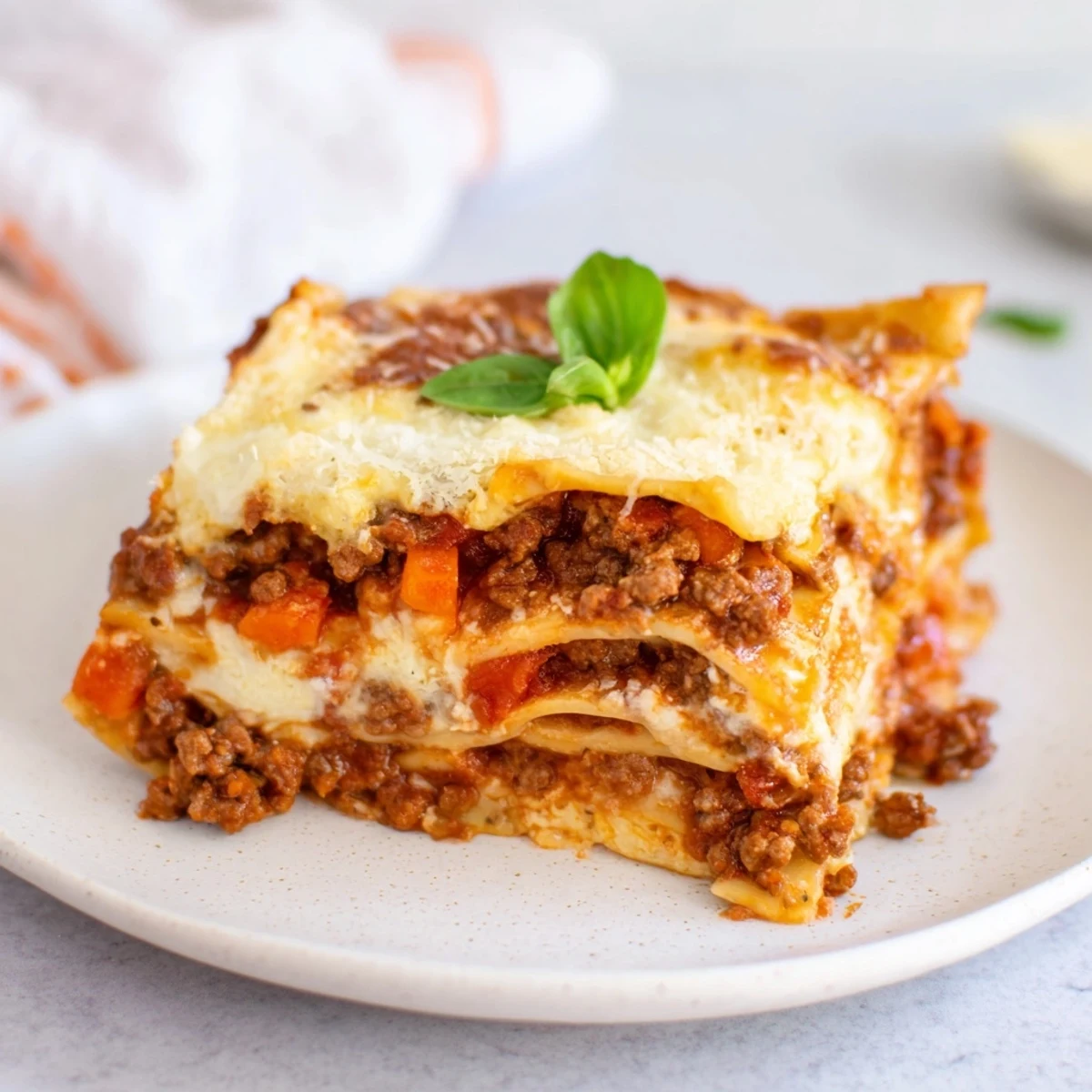
 One Sunday, I served this lasagna to friends who had never tried homemade béchamel, and the room went quiet except for the scrape of forks and murmurs of approval. Someone said it tasted like a hug, and I realized that is exactly what lasagna is meant to be. The hours of stirring and layering disappeared the moment we sat down together, replaced by warmth and shared joy. It became the dish I make when I want to show people they matter.
Make Ahead Magic
Assemble the entire lasagna up to a day in advance, cover it tightly with plastic wrap and foil, and refrigerate until you are ready to bake. Add an extra 10 minutes to the covered baking time if it goes in cold, and you will have a stress free dinner that tastes like you spent all day in the kitchen. I have done this for birthday dinners and busy weeknights alike, and it never fails to impress. The flavors actually deepen overnight, so leftovers (if there are any) taste even richer the next day.
Swap and Substitute
If you want a lighter version, swap ground beef for turkey or chicken, just add a tablespoon of olive oil to keep it moist since leaner meats can dry out. You can replace béchamel with ricotta mixed with an egg and a pinch of salt for a faster, cottage style lasagna that is just as comforting. For a vegetarian spin, skip the meat and load the sauce with sautéed mushrooms, zucchini, and spinach, adjusting the seasoning to keep it bold. Every variation I have tried still delivers that same cozy, layered magic.
Serving and Pairing
A simple green salad with lemon vinaigrette cuts through the richness and adds a fresh, bright contrast to every forkful. Crusty garlic bread is non negotiable in my house, perfect for mopping up any sauce left on the plate. Pour a glass of Chianti or another medium bodied red wine to echo the flavors in the sauce and elevate the whole meal.
- Slice with a sharp, serrated knife for clean edges and picture perfect portions.
- Let each serving sit on the plate for a minute so the layers settle and hold their shape.
- Freeze individual portions wrapped tightly in foil for quick, comforting lunches that reheat beautifully.
 Pin It
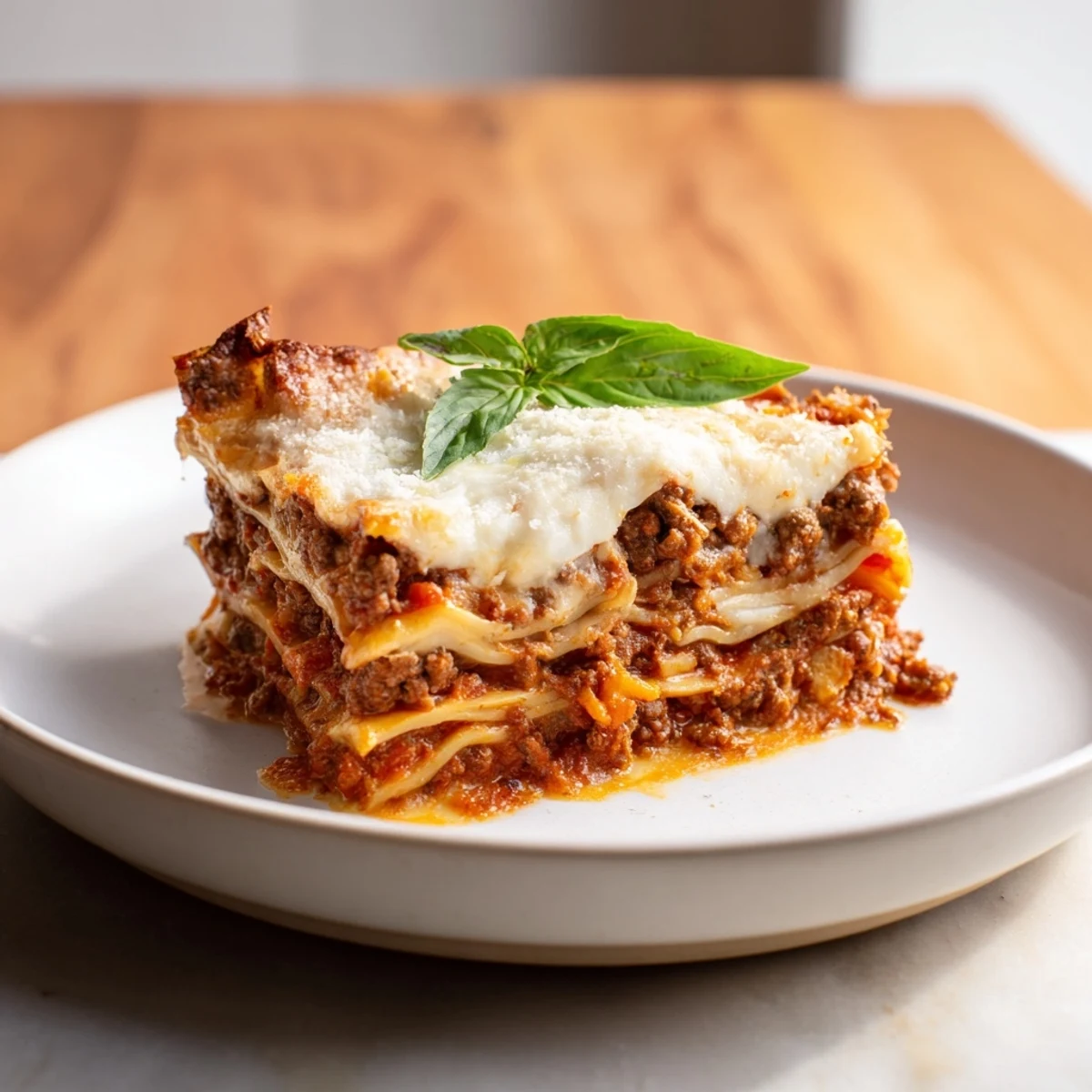
 Every time I pull this lasagna from the oven, I am reminded that the best meals are the ones that ask a little more of you and give back tenfold in flavor and joy. Serve it with love, watch faces light up, and save yourself a corner piece. You earned it.
Common Questions
- → How do I ensure the meat sauce is flavorful?
-
Sauté aromatics like onion, garlic, carrot, and celery before adding ground beef. Simmer the sauce with tomato paste, crushed tomatoes, herbs, and a splash of red wine for depth.
- → What is the purpose of the béchamel sauce?
-
Béchamel adds creamy richness and balances the acidity of the meat sauce, creating a smooth, velvety texture between layers.
- → Can I use fresh pasta sheets rather than dried noodles?
-
Yes, fresh pasta can be substituted and may reduce cooking time. Ensure sheets are layered carefully to avoid breakage.
- → How long should the dish rest after baking?
-
Allow the layered dish to rest for 10 to 15 minutes post-baking to set, making slicing and serving easier.
- → What cheeses work best for topping?
-
Combining shredded mozzarella and grated Parmesan offers a melty, golden crust with balanced flavor and texture.
