
 Pin It
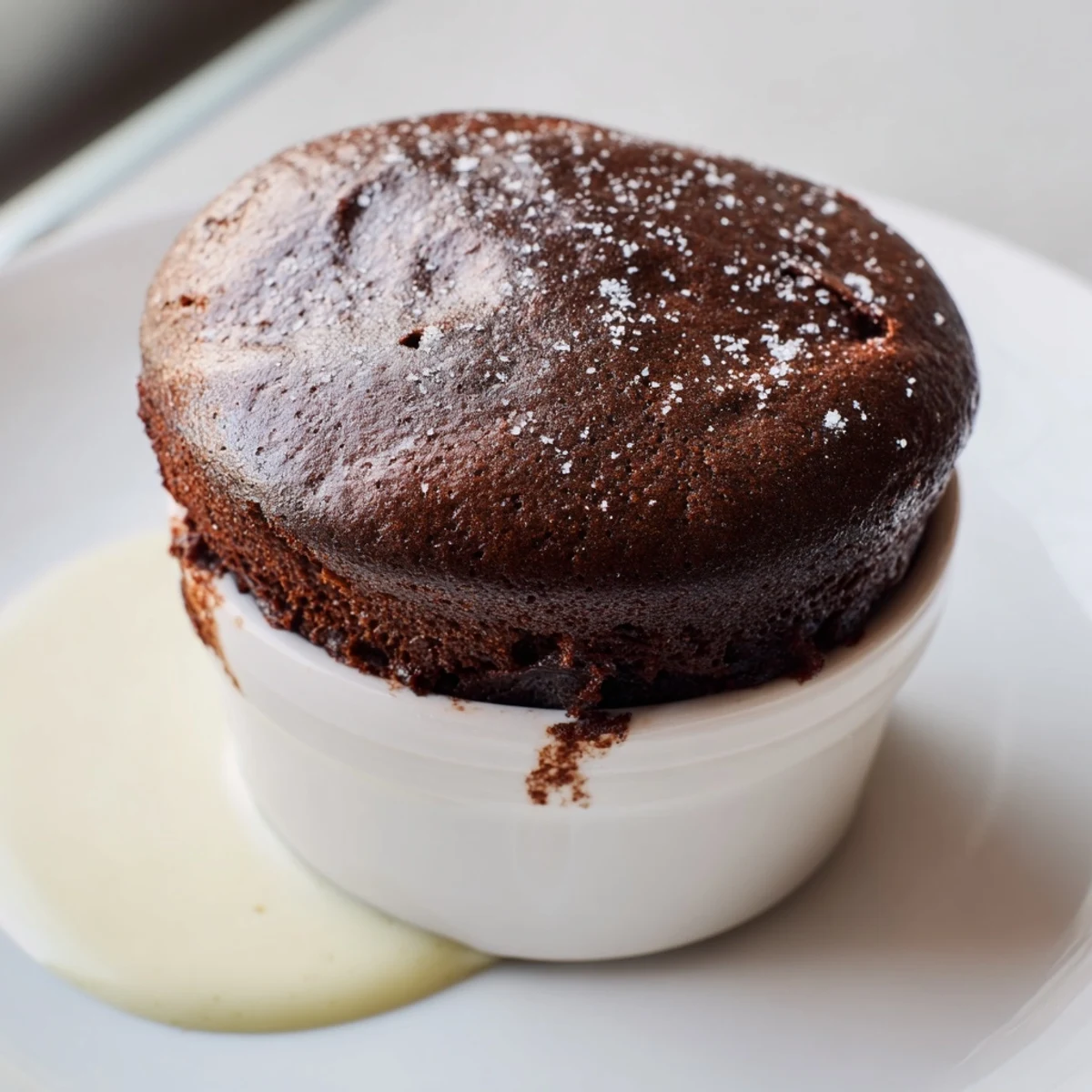
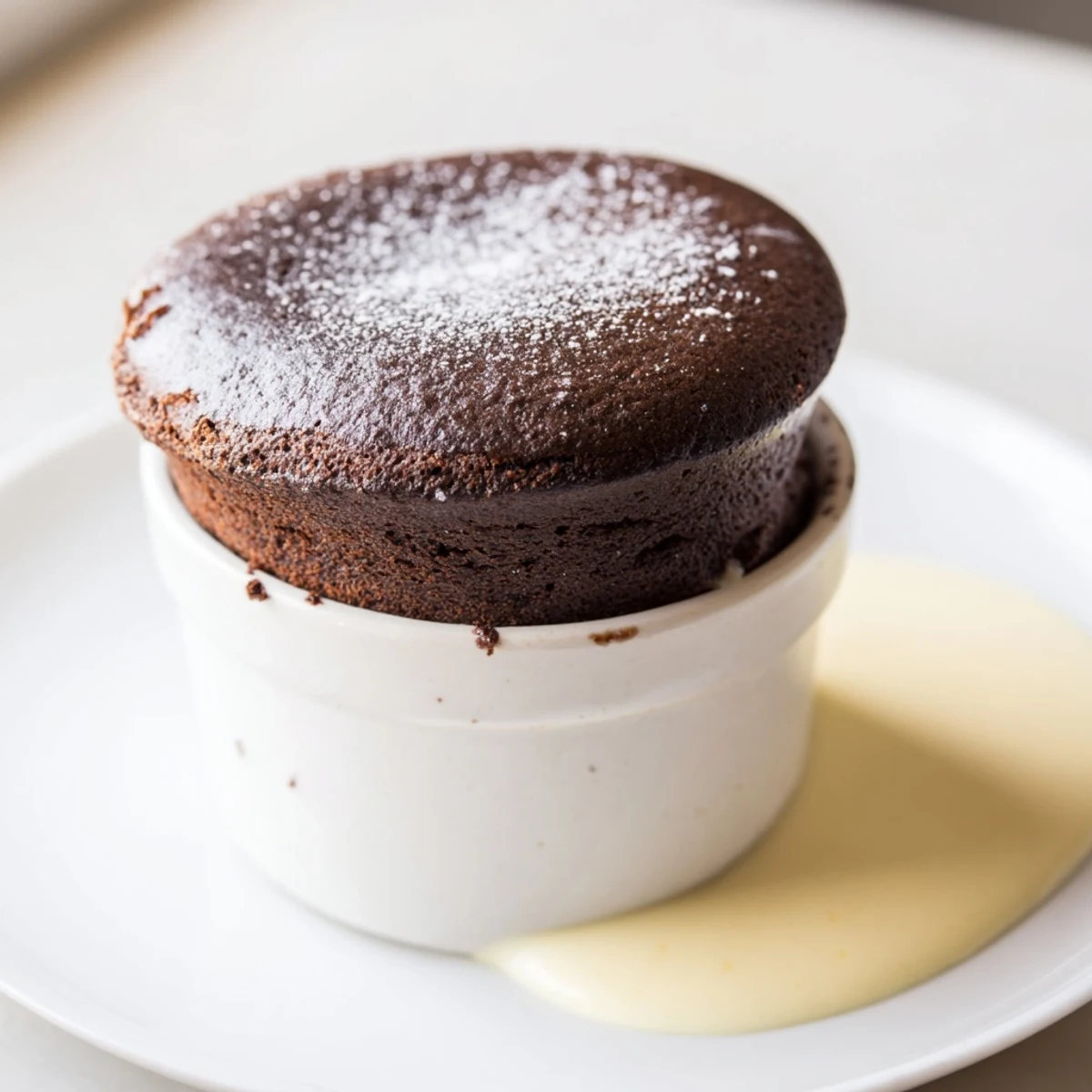
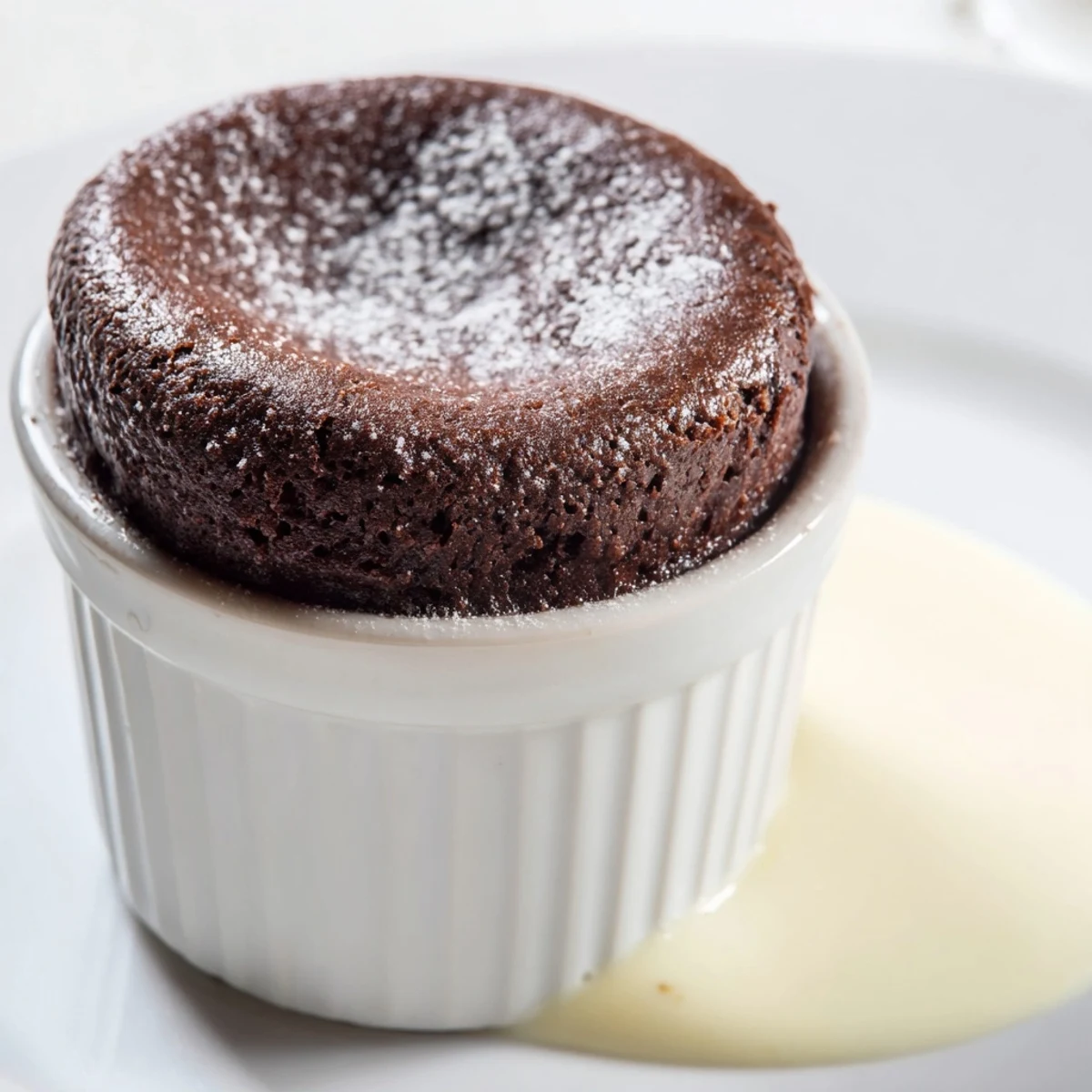
 This elegant French dessert highlights a delicate chocolate soufflé paired with a silky vanilla crème anglaise. The soufflé’s light, airy texture is achieved by folding whipped egg whites into a rich chocolate base. Baking in buttered ramekins coated with sugar ensures an even rise and a crisp exterior. Served warm, the soufflé’s subtle cocoa notes are beautifully complemented by the creamy, vanilla-infused sauce, creating a perfect balance of flavors and textures to impress guests or enjoy as a special treat.
The first time I attempted chocolate soufflé, my kitchen smelled like a French patisserie gone slightly wrong. I was nineteen, attempting to impress someone with a dessert I had only seen on cooking shows. The soufflé rose magnificently, then collapsed like a disappointed sigh the moment I opened the oven door. But that first taste—still warm, still chocolatey, still magic—taught me that perfection is not the point.
Last winter, my sister came over during a snowstorm and we decided to attempt soufflés together. We timed everything perfectly, folding egg whites with the kind of reverence usually reserved for religious ceremonies. When they emerged from the oven, rising above the ramekin rims like little chocolate miracles, we just stood there watching them. We ate them standing at the counter with the snow falling outside, warm vanilla sauce pooling on our plates.
Ingredients
- 120 g dark chocolate (min. 60% cocoa), chopped: The quality of chocolate defines everything here—splurge on something you would happily eat straight from the bar.
- 3 tbsp unsalted butter: Adds necessary richness and helps the soufflé structure hold together through the dramatic rise and fall.
- 3 large eggs, separated: Room temperature eggs separate more easily and whip to better volume—plan ahead.
- 50 g granulated sugar: Balances the bittersweet chocolate without making the soufflé cloying.
- 1/2 tsp pure vanilla extract: Rounds out the chocolate flavor with warm floral notes.
- 1/8 tsp salt: A pinch amplifies chocolate intensity the way salt does for caramel.
- 1 tbsp all-purpose flour: The smallest amount provides just enough structure to support the rise.
- 2 tbsp granulated sugar for dusting ramekins: Creates a caramelized crust and helps the soufflé climb the sides.
- 250 ml whole milk: Full fat is essential for the custard base of the crème anglaise.
- 125 ml heavy cream: Gives the sauce body and luxurious mouthfeel.
- 1/2 vanilla bean: Fresh vanilla bean makes the sauce sing with tiny black seeds and incomparable aroma.
- 3 large egg yolks: Create the silky emulsion that transforms milk and cream into dessert magic.
- 60 g granulated sugar: Sweetens the anglaise just enough to complement the bittersweet soufflé.
Instructions
- Prep your vessels:
- Butter four 200 ml ramekins thoroughly, then dust generously with sugar, tapping out any excess—this invisible coating helps the soufflé climb the walls.
- Melt the chocolate base:
- Set a heatproof bowl over barely simmering water and melt chocolate with butter, stirring until completely smooth, then let it cool slightly.
- Build the foundation:
- Whisk egg yolks with 50 g sugar, vanilla, and salt until pale and creamy, then fold in the melted chocolate and flour until fully combined.
- Whip the whites:
- In a scrupulously clean bowl, beat egg whites to soft peaks, then gradually add a pinch of sugar and continue until stiff, glossy peaks form.
- Combine with care:
- Fold one-third of the whites into the chocolate to lighten it, then gently incorporate the remaining whites, preserving as much air as possible.
- Fill and prep:
- Spoon batter into prepared ramekins, smooth tops, then run your thumb around the inside edge—this little trick helps them rise evenly.
- The dramatic rise:
- Bake at 200°C for 16–18 minutes until well risen with a slight wobble in the center, then serve immediately.
- Make the sauce:
- Heat milk, cream, and vanilla bean until just below simmering while whisking yolks with sugar until pale.
- Temper and thicken:
- Gradually pour hot milk into yolks while whisking constantly, return to the pan, and cook over low heat until thick enough to coat a spoon.
- The grand finale:
- Serve soufflés straight from the oven with warm crème anglaise poured over or alongside.
 Pin It
 When my daughter asked why soufflés fall, I explained that they are meant to be fleeting—beautiful precisely because they exist in this perfect moment. Now she asks for them on special occasions, and we eat them together while they are still proud and tall, talking about how some things in life are best enjoyed immediately.
Getting Ahead
You can prepare the soufflé batter up to several hours ahead and refrigerate it in the ramekins. Add two minutes to the baking time if baking from cold. The crème anglaise keeps beautifully in the refrigerator for up to two days.
Perfecting Your Rise
The folding technique matters more than any other step. Use a rubber spatula and cut through the middle, scrape along the bottom and up the side, then fold over the top. Gentle, deliberate motions keep the air bubbles intact and make the difference between a decent soufflé and an extraordinary one.
Serving Suggestions
These soufflés are complete on their own, but a few thoughtful additions make them truly special. Consider what makes sense for your occasion and your guests.
- Add a tablespoon of orange liqueur to the batter for sophisticated depth.
- Serve with fresh raspberries to cut through the richness.
- A dusting of powdered sugar just before serving adds a snow-like elegance.
 Pin It
 There is something deeply satisfying about serving a dessert that demands immediate attention. Gather everyone at the table, bring out the soufflés still proud and tall, and watch the moment of breaking through that crust together.
Common Questions
- → How do I ensure the soufflé rises properly?
-
Whisk egg whites until stiff peaks form and gently fold them into the chocolate mixture without deflating the air to help the soufflé rise evenly.
- → What is the purpose of dusting ramekins with sugar?
-
Sugar coating the ramekins creates a delicate crust that helps the soufflé rise and adds a subtle sweetness to the exterior.
- → Can I prepare the crème anglaise in advance?
-
Yes, the crème anglaise can be made ahead and chilled, but bring it to room temperature or warm slightly before serving for best texture.
- → What temperature is best for baking this chocolate soufflé?
-
Bake at a high temperature, around 200°C (400°F), to achieve a quick rise and a light, airy interior with a tender crust.
- → Are there tips to prevent the soufflé from collapsing too quickly?
-
Serve the soufflé immediately after baking and ensure gentle folding of egg whites to maintain airiness for longer rise retention.
