
 Pin It
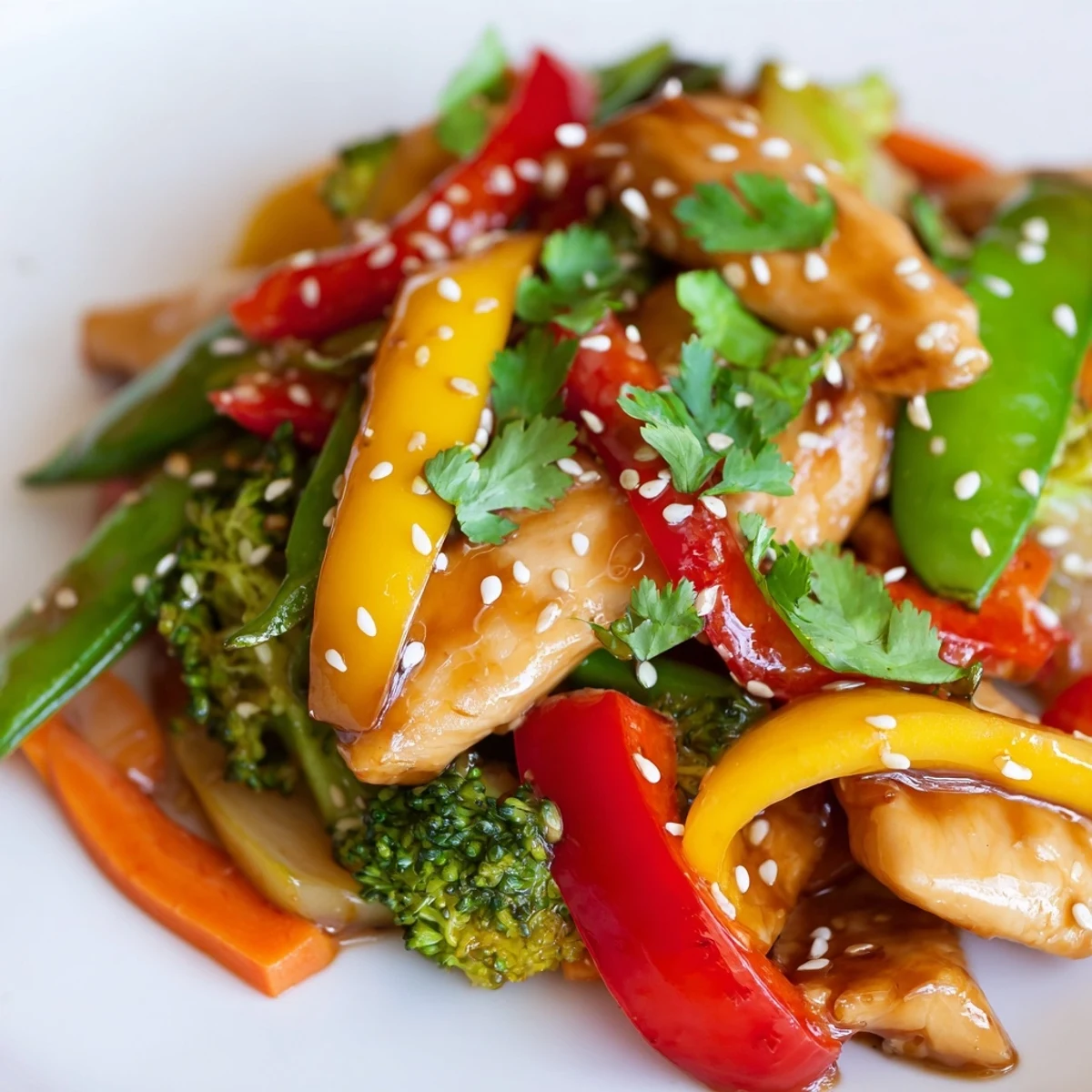
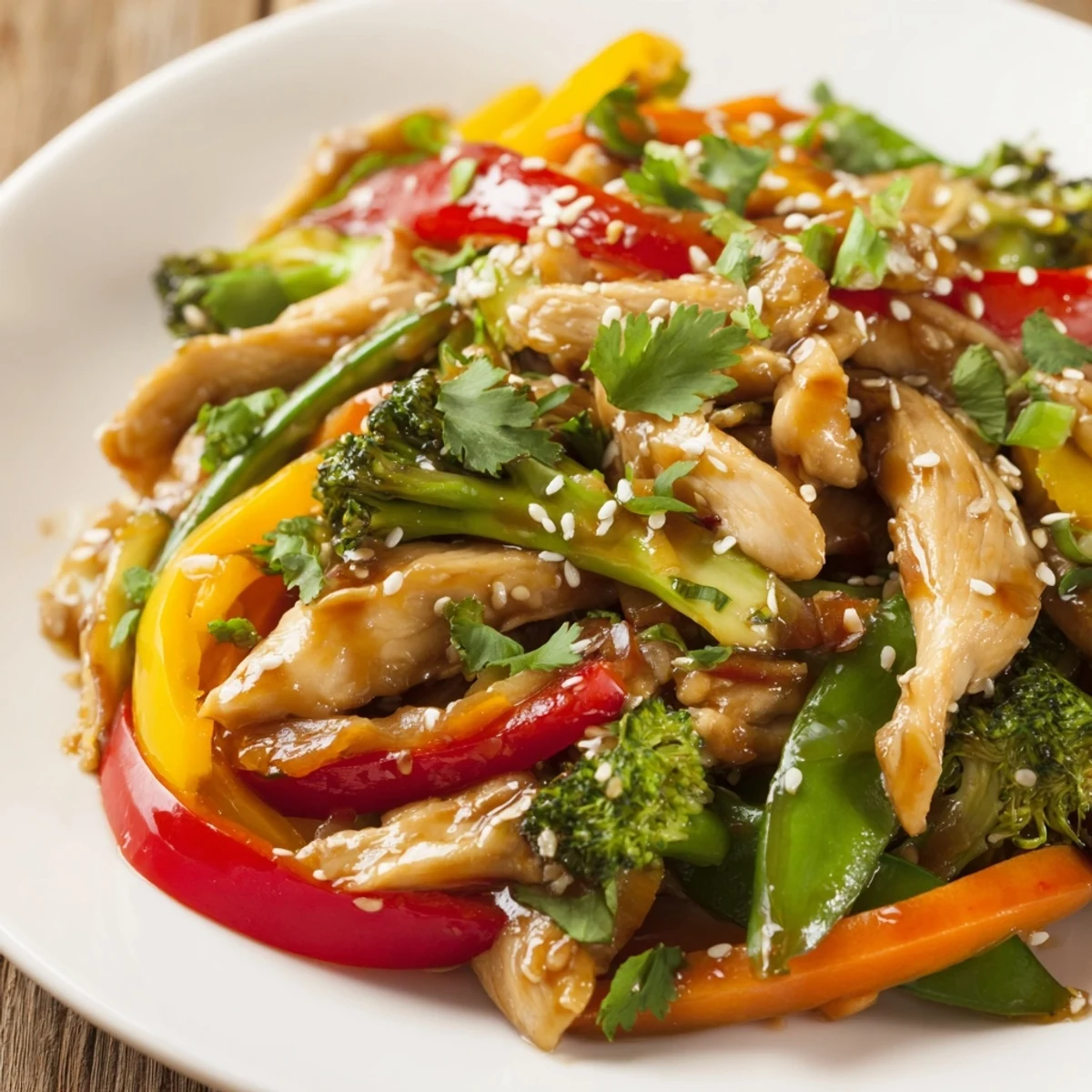
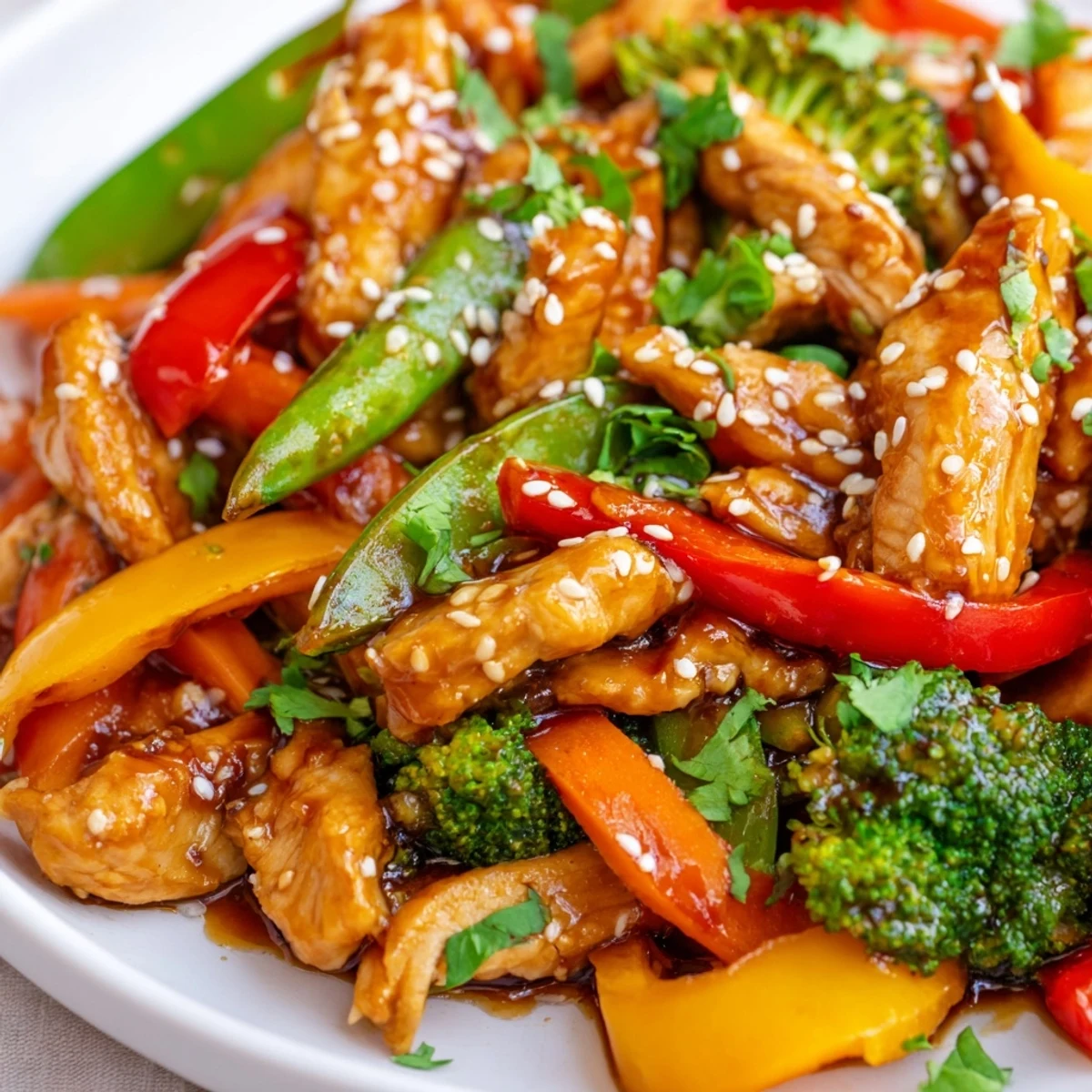
 This dish features thinly sliced chicken breast stir-fried with colorful bell peppers, broccoli, snap peas, and carrots. Aromatic garlic and ginger provide a fragrant base, while a balanced soy and oyster sauce blend adds savory depth. Cooked quickly in a hot wok, the ingredients remain crisp-tender and flavorful. Garnished with sesame seeds and fresh herbs, it’s an easy way to enjoy a nutritious, Asian-inspired dinner any night of the week.
There's something magical about the sizzle that erupts when you push chicken into a screaming-hot wok. I discovered this stir-fry one Tuesday night when I had three bell peppers, a handful of vegetables, and exactly twenty minutes before hunger took over. That first time, I was so focused on not burning the garlic that I almost missed how the sauce came together, glossy and clinging to every piece of chicken and vegetable in a way that felt effortless.
I made this for my neighbor who'd just moved in, and she stood in my kitchen while the wok hissed, breathing in that ginger-garlic perfume rising from the pan. She asked for the recipe before she'd even taken a bite, which told me everything I needed to know about whether this stir-fry was worth keeping in rotation.
Ingredients
- Chicken breast, thinly sliced: Slicing it thin means it cooks fast and stays tender, the secret to restaurant-quality stir-fries at home.
- Bell peppers (red and yellow), sliced: They add sweetness and color without overpowering the dish, and they should still have a little snap when you bite them.
- Carrot, julienned: Cut into thin matchsticks so they cook in the same time as everything else and don't end up chewy.
- Broccoli florets: They hold their shape beautifully in high heat and add a nice textural contrast.
- Snap peas, trimmed: These stay crisp and give you little bursts of sweetness throughout.
- Spring onions, sliced: Add them at the end so their fresh flavor doesn't disappear into the heat.
- Garlic and ginger: These two are your flavor foundation, and they need just thirty seconds in the hot oil to release their intensity.
- Soy sauce: The backbone of the sauce, salty and deep, though tamari works beautifully if you're avoiding gluten.
- Oyster sauce: Don't skip this—it adds umami depth that you can't replicate with anything else.
- Sesame oil: A little goes a long way, drizzled at the end for that warm, toasted aroma.
- Cornstarch: This thickens the sauce so it clings to everything instead of pooling at the bottom of the pan.
- Chicken broth: The liquid base that ties the sauce together and keeps everything moist.
- Honey or brown sugar: Just a touch to balance the saltiness with a subtle sweetness.
- Vegetable oil: High smoke point means it won't burn when your pan gets screaming hot.
Instructions
- Build Your Sauce First:
- Whisk soy sauce, oyster sauce, sesame oil, cornstarch, broth, honey, and pepper together in a small bowl. Having it ready before you start cooking means you won't be fumbling mid-sizzle, and the cornstarch gets time to settle into the liquid.
- Get Your Wok Screaming Hot:
- Heat a tablespoon of oil in your largest wok or skillet over medium-high heat until it shimmers and almost smokes. This high heat is what gives you that restaurant-quality sear on the chicken.
- Sear the Chicken Fast:
- Add sliced chicken and stir constantly for three to four minutes until it's just cooked through and starting to turn golden at the edges. The moment it's done, pull it out—it'll keep cooking a little from residual heat, so don't leave it in too long.
- Wake Up the Aromatics:
- Pour the remaining oil into the pan and immediately add minced garlic and ginger. Let them sizzle for about thirty seconds until the smell hits you like a warm hug—this is when their flavors unlock into the oil.
- Get Your Vegetables Crisp-Tender:
- Throw in bell peppers, carrot, broccoli, and snap peas, tossing constantly for three to four minutes. You're looking for that perfect moment when they've softened slightly but still have some resistance when you bite them.
- Bring It All Together:
- Return the chicken to the wok, pour in your sauce, and stir everything for two to three minutes until the sauce thickens and becomes glossy. You'll know it's right when it coats everything evenly instead of sitting watery at the bottom.
- Finish with Fresh Onion:
- Stir in the sliced spring onions just before removing from heat so they stay bright and sharp, then take the pan off the flame.
 Pin It
 The first time someone asked for seconds of this stir-fry, I realized it wasn't just about feeding people quickly—it was about making something that felt generous and thoughtful despite being so fast. That's when a simple weeknight dinner became something I actually wanted to cook for the people I care about.
The Secret to Crisp-Tender Vegetables
The trick I learned the hard way is cutting everything to roughly the same size so nothing gets left behind while waiting for something else to cook. When your carrot sticks are the same thickness as your pepper slices, and your broccoli florets are reasonably proportioned, everything finishes at the same moment. I once cut a carrot into thick rounds while the rest of the vegetables were matchstick-thin, and I ended up with some pieces still crunchy while others were soft—never again.
Why Your Sauce Should Be Smooth and Silky
A good stir-fry sauce should coat everything like a glossy blanket, not slide off and pool at the bottom of the pan. That's where the cornstarch comes in—it thickens the liquid just enough without making anything gummy or starchy-tasting. The key is whisking it into the cold broth before the pan heats up, so you get no lumps and perfect viscosity every single time.
What to Serve Alongside and How to Customize
Steamed jasmine rice or brown rice soaks up the sauce beautifully, though rice noodles work just as well if you want something lighter. I've also made this with shrimp instead of chicken on nights when I wanted something different, and it's equally good—shrimp cooks even faster, so watch it carefully. For heat, a pinch of chili flakes or a sliced red chili tossed in with the garlic brings a kick that doesn't overwhelm.
- Tofu works wonderfully if you want to skip the meat, though press it first so it holds its texture.
- Swap any vegetable you don't love for one you do—mushrooms, bok choy, or water chestnuts all belong here.
- Use tamari instead of soy sauce and gluten-free oyster sauce if you need to keep it gluten-free, and no one will taste the difference.
 Pin It
 This stir-fry has become one of those meals I reach for when I want to feed people something that tastes like I've put in real effort without actually breaking a sweat. It's made for busy nights and good conversation, the kind of dinner that brings everyone back to the table.
Common Questions
- → How do I keep the vegetables crisp?
-
Stir-fry the vegetables quickly over high heat, avoiding overcrowding the pan to maintain their crunchy texture.
- → Can I substitute chicken with another protein?
-
Yes, tofu or shrimp can be used as alternatives for variation while maintaining the dish's flavors.
- → What sauce ingredients balance the dish?
-
Soy sauce, oyster sauce, sesame oil, and a touch of honey blend together to create a savory and slightly sweet coating.
- → Is it possible to make this dish gluten-free?
-
Using tamari in place of soy sauce and gluten-free oyster sauce accommodates gluten-free needs.
- → What side dishes pair well?
-
Steamed jasmine rice, brown rice, or rice noodles complement the stir fry perfectly.
