
 Pin It
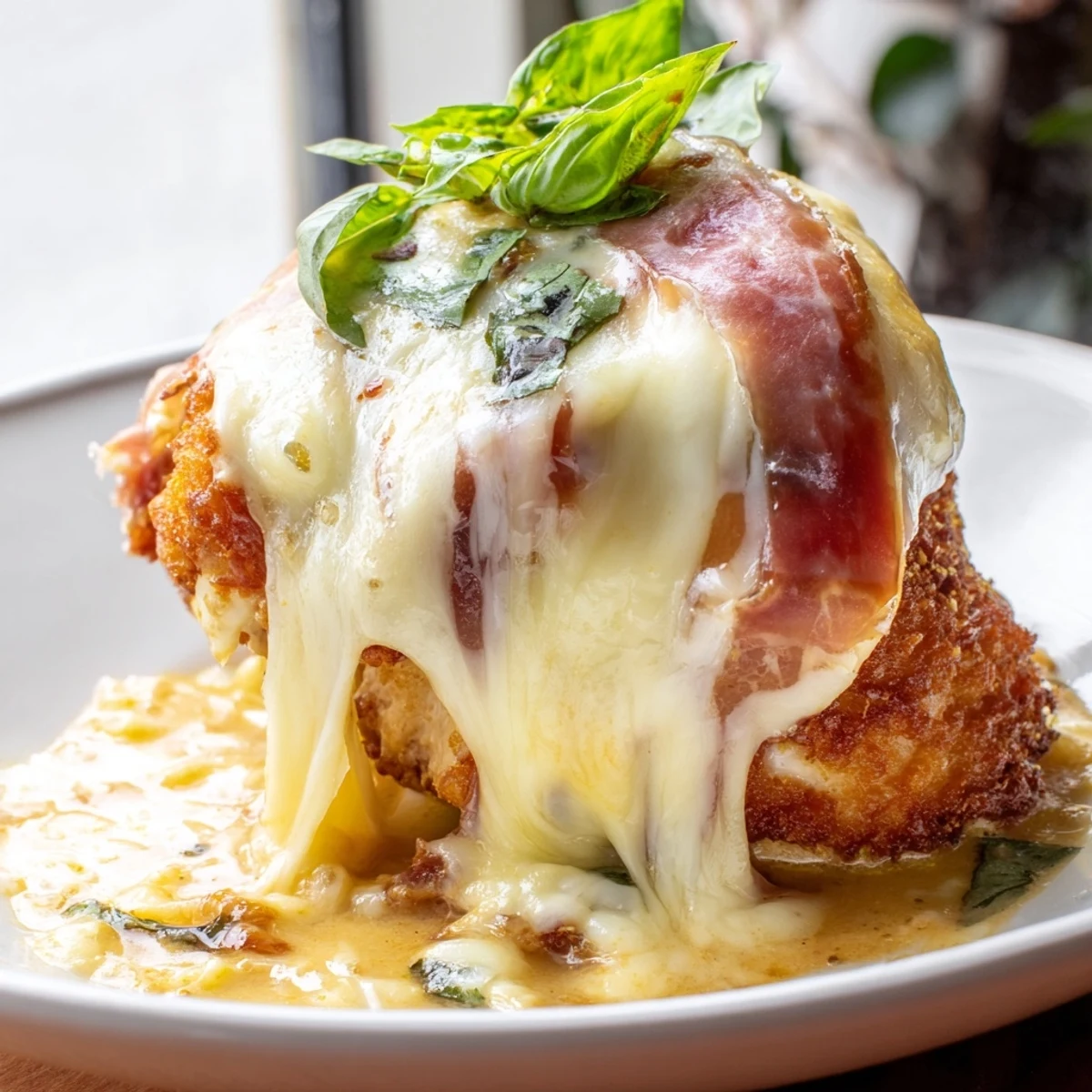
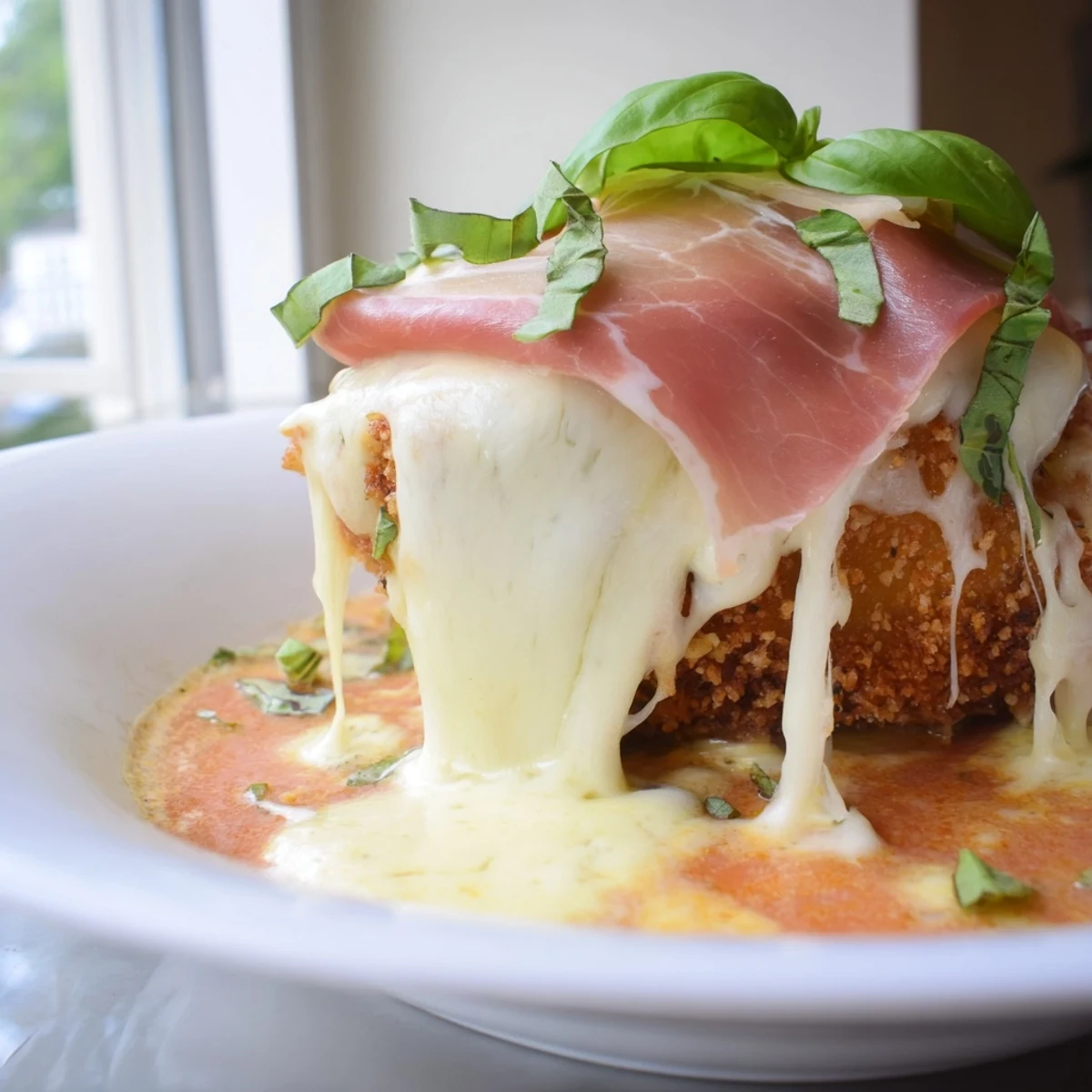
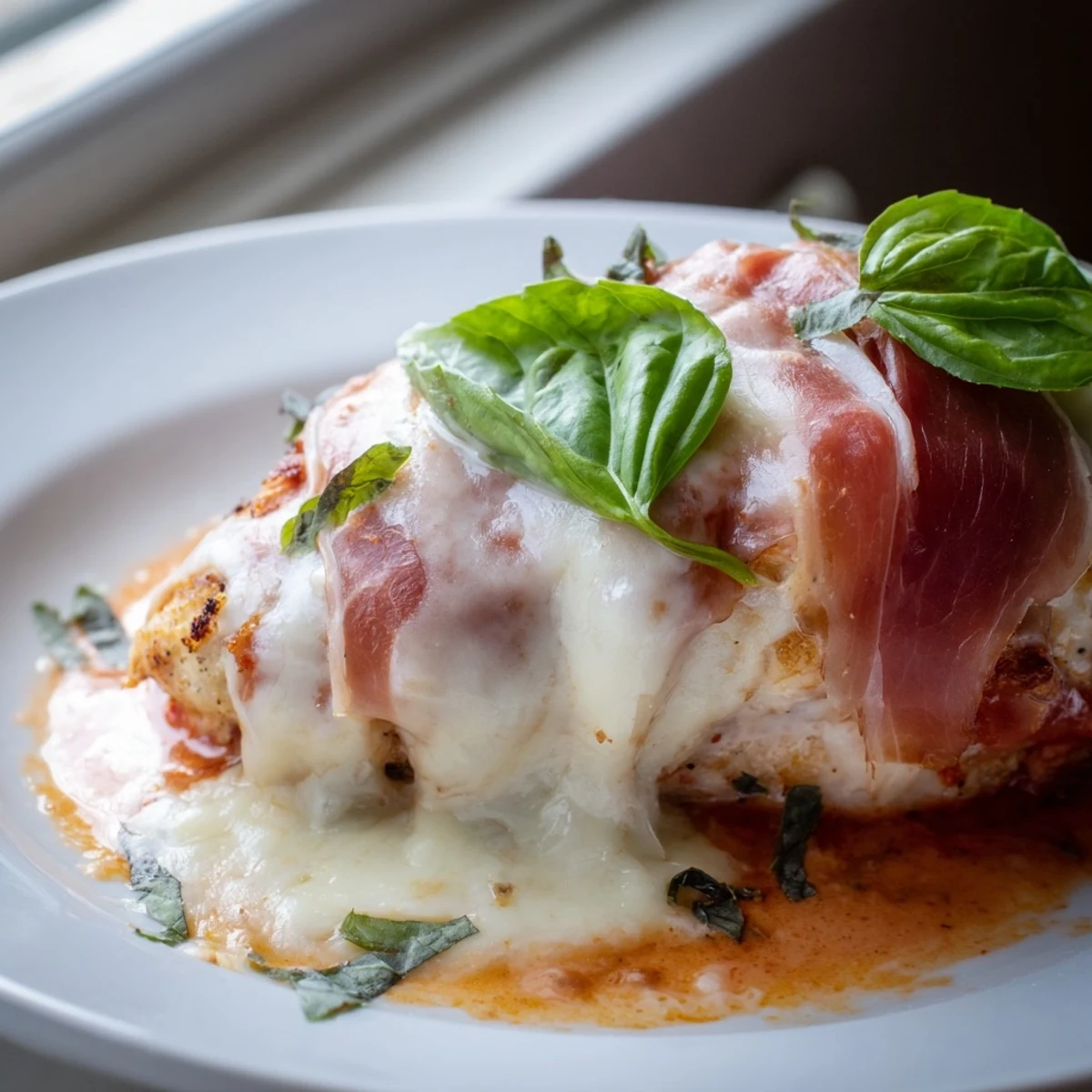
 Chicken Valdostana is a beloved Italian dish that combines tender, pan-seared chicken breasts with salty prosciutto di Parma and creamy melted Fontina cheese.
The chicken is lightly dredged in flour, golden-seared in olive oil, then nestled into a fragrant sauce of crushed tomatoes, dry white wine, garlic, and shallots.
Topped with cured ham and cheese, it finishes in the oven until bubbly and irresistible — perfect served over polenta or alongside crusty bread.
The sound of prosciutto crisping against melted Fontina is enough to make anyone abandon their diet, and that is exactly what happened to me one rainy Tuesday in a tiny trattoria tucked behind the piazza in Aosta. I ordered chicken Valdostana without knowing what it was, drawn in by the word Fontina on the menu, and within minutes I was plotting how to recreate it at home. The waiter must have seen the look on my face because he brought me a second glass of wine unprompted. Some meals just grab you by the collar like that.
I made this for my sister the week after I got back from that trip, and she stood over the stove stealing bites of chicken straight from the skillet before I could even plate it. We ended up eating standing up in the kitchen, sauce dripping onto the cutting board, barely bothering with forks. It has been our requested dinner every time she visits since then.
Ingredients
- 4 boneless, skinless chicken breasts: Pound them evenly so they cook uniformly and stay juicy throughout.
- 4 slices prosciutto di Parma: The real stuff matters here because its delicate saltiness is the backbone of every bite.
- 120 g Fontina cheese, sliced: Fontina melts into something creamy and slightly tangy that mozzarella simply cannot replicate.
- 60 g all-purpose flour: Just enough for a light dredge that helps the chicken develop a golden crust in the pan.
- 2 tbsp olive oil: Use a good quality one since it carries the flavor of the initial sear.
- 80 ml dry white wine: Something you would drink is the only rule, nothing sweet or oaky.
- 400 g canned crushed tomatoes: San Marzano if you can find them because their natural sweetness balances the salty prosciutto.
- 60 ml chicken broth: Rounds out the sauce and keeps it from tasting too sharp.
- 2 garlic cloves, minced: Fresh garlic sauteed briefly gives the sauce its aromatic foundation.
- 1 small shallot, finely chopped: Shallot adds a gentler sweetness than onion and dissolves right into the sauce.
- Salt and black pepper: Season the chicken generously before dredging for flavor that penetrates rather than sits on the surface.
- 1 tsp dried oregano: A small amount ties the whole dish to its Italian roots without overwhelming the sauce.
- Fresh basil leaves: Torn over the top at the very end so their perfume hits you as the plate arrives.
Instructions
- Preheat and prepare:
- Crank your oven to 200 degrees Celsius and let it get fully hot while you work on the chicken so there is no waiting later.
- Flatten and season the chicken:
- Place each breast between parchment sheets and pound gently with a mallet to about one and a half centimeters, then season both sides well with salt and pepper.
- Dredge in flour:
- Coat each piece lightly in flour and shake off the excess over the sink, you want a thin dusty layer not a batter.
- Sear until golden:
- Heat olive oil in your oven-safe skillet over medium high heat and sear the chicken two to three minutes per side until you see a pale gold crust forming, then remove them to a plate.
- Build the sauce:
- In the same skillet toss in the shallot and garlic, stir for about a minute until you can smell them, then pour in the wine and scrape up every brown bit stuck to the pan.
- Add tomatoes and simmer:
- Stir in the crushed tomatoes, chicken broth, and oregano, then let the sauce bubble gently for five minutes so it thickens slightly and the flavors marry.
- Layer and top:
- Nestle the seared chicken breasts back into the sauce and lay one slice of prosciutto and a layer of Fontina on top of each piece.
- Bake until melted and cooked through:
- Transfer the whole skillet into the oven for ten to twelve minutes until the cheese is bubbling and the chicken reaches an internal temperature of 74 degrees Celsius.
- Finish and serve:
- Scatter torn basil leaves over the top and spoon extra sauce onto each plate as you serve it piping hot.
 Pin It
 There is something about pulling a skillet out of the oven with bubbling cheese and fragrant tomato sauce that makes everyone gather in the kitchen whether you invited them or not. My brother in law once walked in from the garage, smelled the sauce, and sat down at the table without even taking off his coat. That is the kind of magnetism this dish has.
What to Serve Alongside
Creamy polenta is my favorite pairing because it soaks up the wine tomato sauce like nothing else, turning every bite into something velvety and rich. Risotto works beautifully too, especially a simple one with butter and Parmesan that does not compete with the flavors already on the plate. A chunk of good crusty bread on the side is really all you need if you want to keep things casual.
Making It Gluten Free
Swapping the all-purpose flour for a gluten free blend works seamlessly here since the flour is only used for dredging and not as a thickener in the sauce. I have also used cornstarch in a pinch with perfectly fine results, though the crust is slightly less golden. Just double check your chicken broth label because some brands sneak gluten in without warning you.
Storage and Reheating
Leftovers keep well in the fridge for up to three days and actually taste better the next day when the sauce has had time to soak into the chicken. Reheat gently in a covered skillet over low heat so the cheese does not separate and the chicken stays tender rather than turning rubbery.
- Freeze portions in airtight containers for up to two months and thaw overnight in the fridge before reheating.
- The prosciutto loses some of its texture after freezing but the flavor remains completely intact.
- Always garnish with fresh basil after reheating, never before storing, so the leaves do not turn dark and slimy.
 Pin It
 Chicken Valdostana is the kind of dish that turns an ordinary weeknight into something worth remembering, with very little effort and a lot of reward. Share it with someone you love and watch them go quiet after the first bite.
Common Questions
- → What is Chicken Valdostana?
-
Chicken Valdostana is a classic Italian dish from the Aosta Valley region. It features breaded chicken breasts topped with prosciutto and Fontina cheese, baked in a savory tomato and white wine sauce until the cheese is beautifully melted.
- → Can I substitute Fontina cheese with something else?
-
Yes, if Fontina is unavailable, mozzarella makes an excellent substitute. Gruyère or provolone also work well, providing that desirable melting quality and mild, creamy flavor.
- → How do I pound chicken breasts evenly?
-
Place each chicken breast between two sheets of parchment paper or plastic wrap. Use a meat mallet or rolling pin to gently pound from the center outward until you achieve an even thickness of about 1.5 cm, which ensures uniform cooking.
- → Can I make this gluten-free?
-
Absolutely. Simply replace the all-purpose flour with a gluten-free flour blend or cornstarch for dredging the chicken. The rest of the ingredients are naturally gluten-free.
- → What should I serve with Chicken Valdostana?
-
This dish pairs wonderfully with creamy polenta, risotto, or crusty bread to soak up the flavorful sauce. A simple side salad with vinaigrette also balances the richness nicely.
- → How do I know when the chicken is fully cooked?
-
The safest method is using a meat thermometer — chicken is done when the internal temperature reaches 74°C (165°F). Visually, the juices should run clear and the meat should be opaque throughout with no pink center.
