
 Pin It
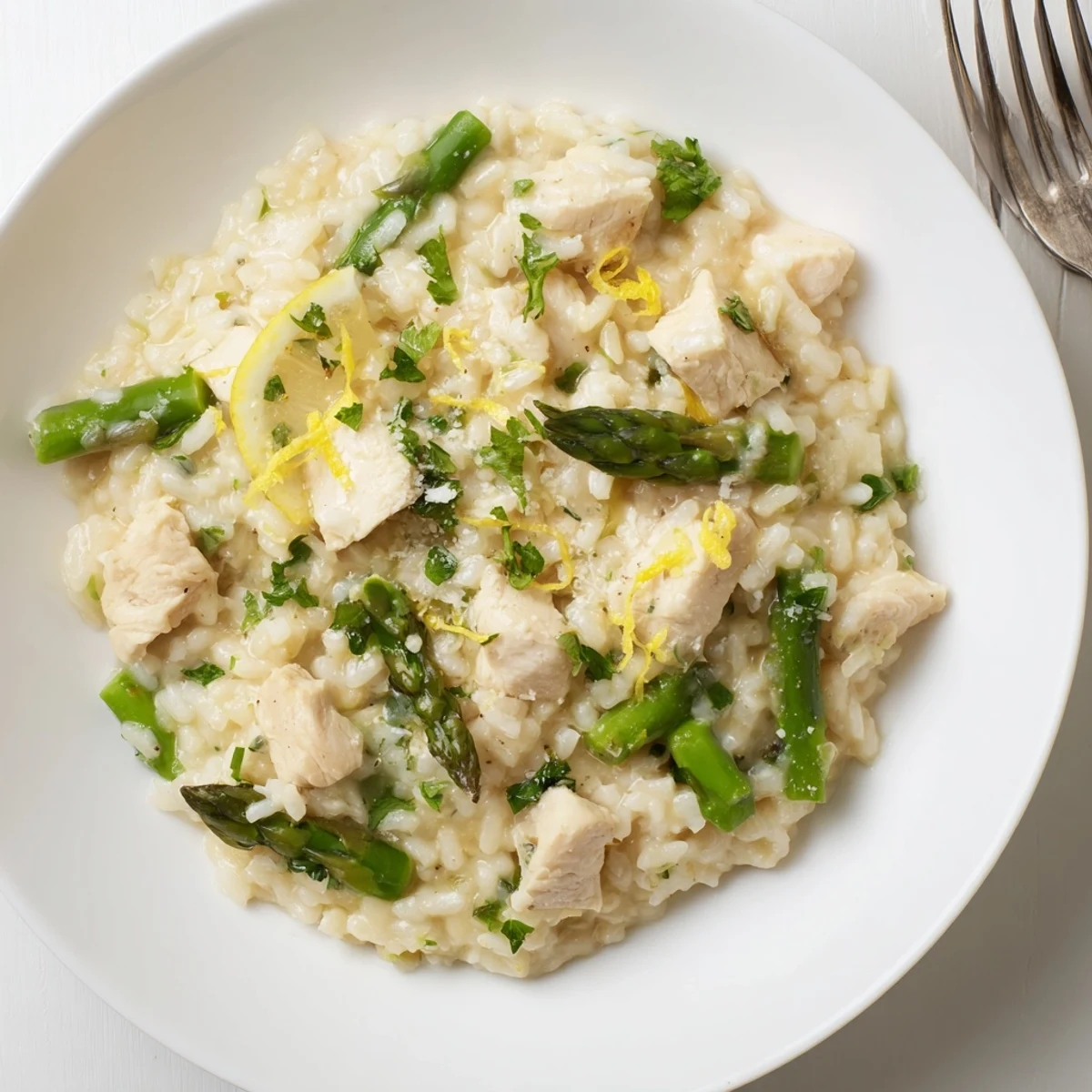
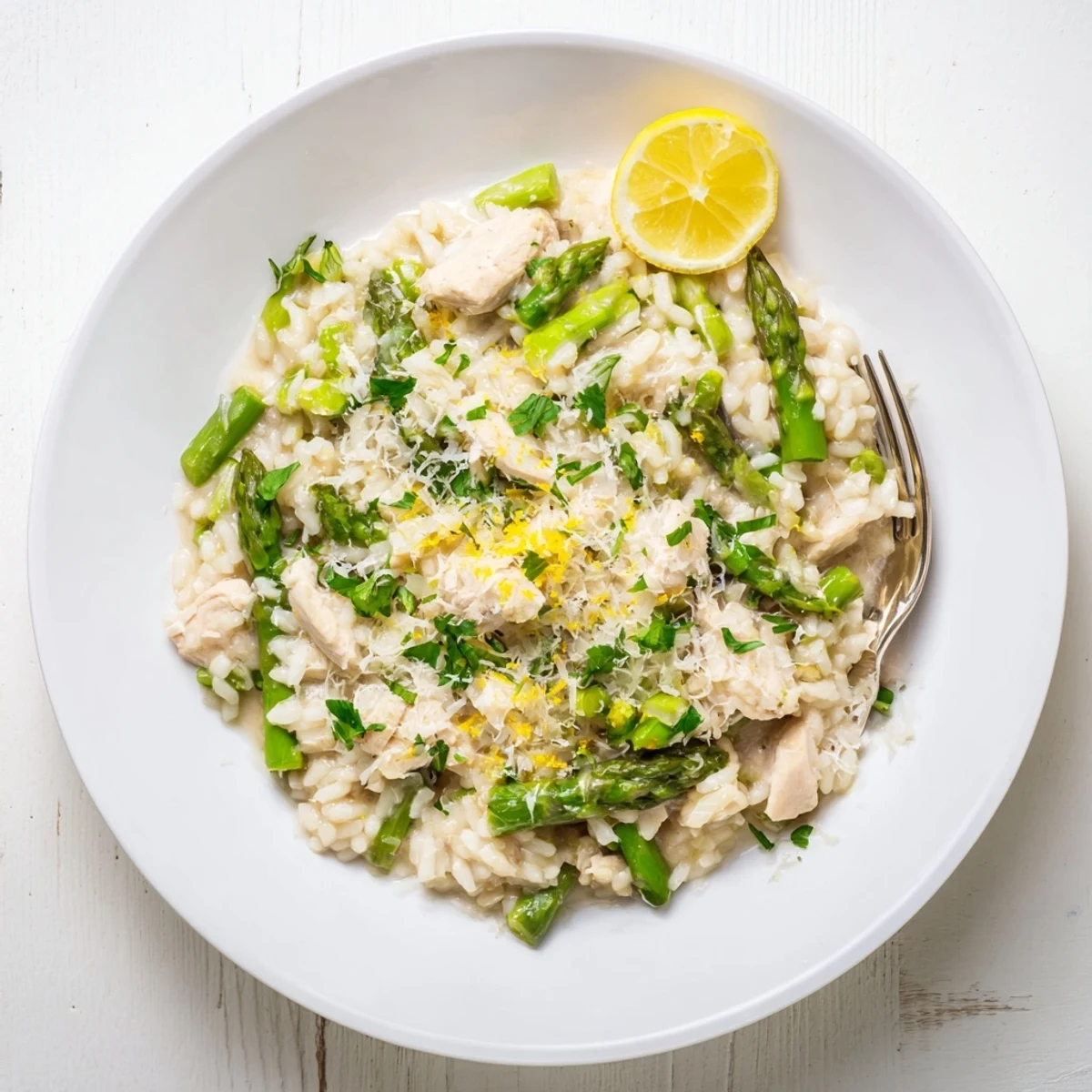
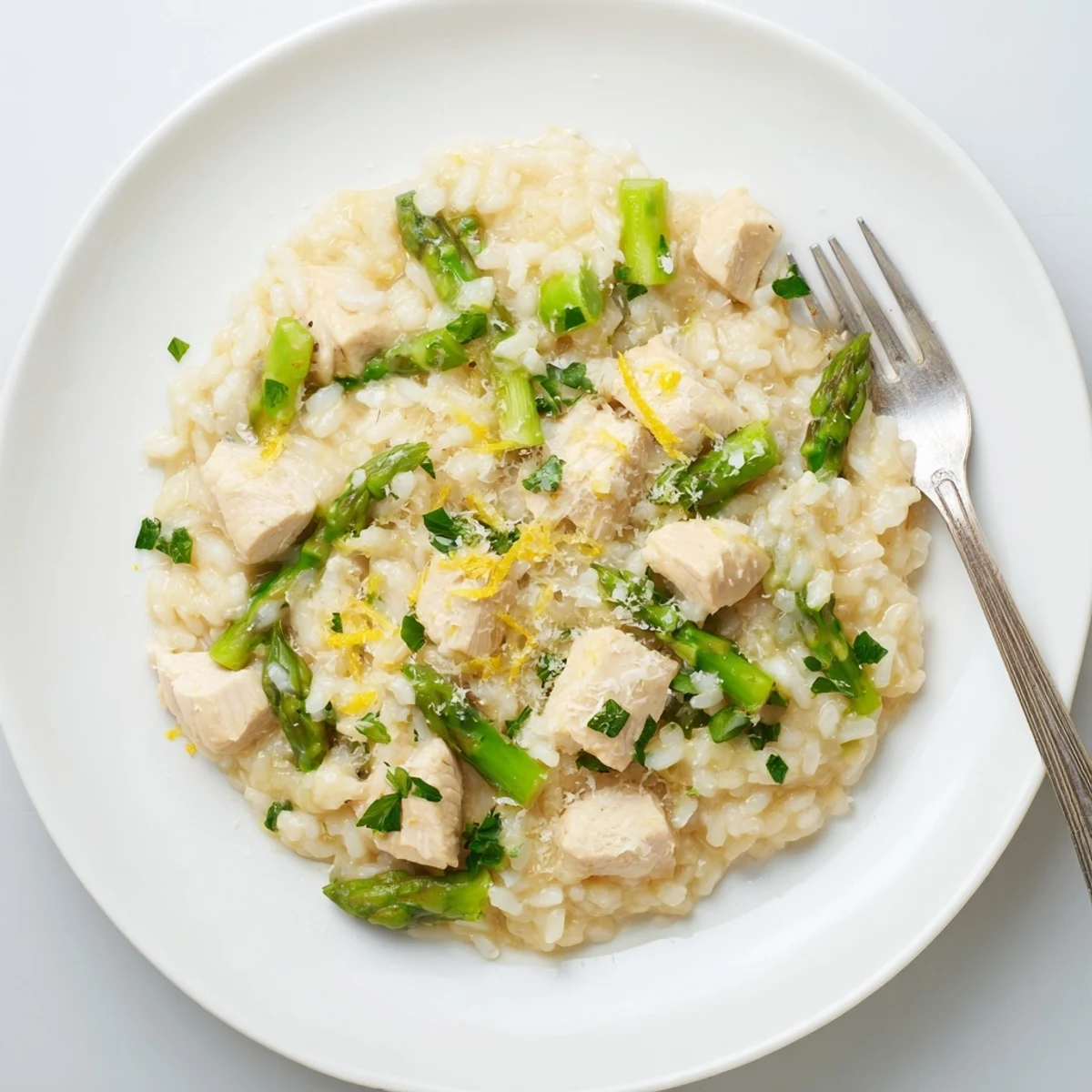
 This comforting Italian-inspired dish features creamy Arborio rice slowly cooked with warm chicken stock until perfectly tender. Tender diced chicken and fresh asparagus add substance and vibrant color, while lemon zest brightens each rich, savory bite. The finished dish delivers velvety texture from butter and Parmesan, creating restaurant-quality results right in your kitchen.
The first time I made risotto properly was during a rainy Sunday when nothing sounded better than something warm and requiring constant attention. I stood at the stove, ladle in hand, watching the rice grains transform from translucent pearls to creamy perfection. My roommate wandered in asking what smelled so incredible, and honestly I wasn't sure if it was the butter, garlic, or just the comfort of knowing I had nowhere else to be. That afternoon taught me that risotto isn't complicated, it just demands presence, which is exactly what makes it special.
Last spring I made this for friends who claimed they hated risotto because it was too heavy. When they went back for seconds and thirds, asking for the recipe, I realized the lemon zest and fresh asparagus change everything about this dish. The brightness cuts through the creaminess in a way that keeps you wanting more instead of feeling weighed down.
Ingredients
- 2 boneless skinless chicken breasts: Dicing them into bite sized pieces ensures every forkful has protein and helps them cook quickly without drying out
- 1 tablespoon olive oil: A neutral base for searing the chicken that adds subtle fruitiness without overpowering the dish
- 1 bunch asparagus: Fresh spring spears cut into small pieces cook perfectly in the final minutes of risotto preparation
- 1 small onion: Finely chopped so it melts into the rice providing a sweet aromatic foundation
- 2 cloves garlic: Minced and cooked briefly just enough to release its fragrance without turning bitter
- 1½ cups Arborio rice: This short grain Italian rice releases high starch creating that signature creamy texture we all love
- 5 cups chicken stock: Keeping it warm prevents shocking the rice which helps maintain even cooking throughout
- ½ cup dry white wine: Adds acidity and depth that balances the richness though broth can substitute if needed
- 3 tablespoons unsalted butter: Divided use lets you build flavor while cooking and finish with luxurious silkiness
- ⅔ cup freshly grated Parmesan: Adds salty nutty richness that ties all the flavors together beautifully
- Zest of 1 lemon: Brightens the entire dish making it taste lighter and fresher than traditional versions
Instructions
- Sear the chicken:
- Heat olive oil in your largest heavy pan over medium heat, season diced chicken generously with salt and pepper, then cook until beautifully browned and fully cooked through, about 5 to 6 minutes. Remove it to a plate leaving behind those flavorful pan drippings.
- Build the base:
- Add 1 tablespoon butter to the same pan and cook onion until soft and translucent, about 3 minutes, then stir in garlic for just 1 minute until fragrant.
- Toast the rice:
- Pour in Arborio rice and stir constantly for 2 minutes until grains look slightly translucent around edges and smell nutty.
- Deglaze with wine:
- Pour in white wine and stir until completely absorbed, scraping up any browned bits from the bottom.
- Begin the broth addition:
- Add hot stock one ladleful at a time, stirring frequently and waiting until liquid is almost absorbed before adding more, continuing for about 15 minutes.
- Add the asparagus:
- Stir in asparagus pieces and continue adding stock, cooking for another 10 minutes until rice is creamy yet still has a slight bite and asparagus is tender.
- Finish it all together:
- Return cooked chicken to pan, stir in remaining butter, Parmesan, and lemon zest, then adjust seasoning before covering for 2 minutes.
- Serve with love:
- Spoon into warm bowls and garnish with parsley and extra Parmesan if desired, bringing the whole dish to the table while it's still steaming hot.
 Pin It
 This recipe became my go to comfort food after a particularly long week at work when I needed something that required enough focus to distract me but was simple enough to not stress me out. The rhythm of adding broth and stirring became almost meditative, and that first bowl tasted like everything would be okay.
Making It Your Own
I've learned that risotto is incredibly forgiving once you understand the basic technique. Sometimes I use peas instead of asparagus or add mushrooms in the fall. The chicken can be swapped for shrimp or kept vegetarian entirely. What matters is keeping the liquid warm and adding it gradually.
Timing Your Meal
Risotto waits for no one, so I always set the table and pour drinks before I start cooking. The final 10 minutes require constant attention so you cannot step away. I've had friends arrive midway through and ended up with slightly overcooked rice because I got distracted catching up.
Leftovers And Storage
While fresh risotto is undeniably best, leftovers can be transformed into something equally delicious. The rice continues to absorb liquid, so reheat with a splash of broth to loosen it up.
- Mold leftover cold risotto into patties and pan fry for crispy arancini style cakes
- Stir in an extra egg and more cheese to make risotto fritattas for breakfast
- Thin it with additional stock to create a surprisingly creamy soup base
 Pin It
 There is something deeply satisfying about making risotto, standing at the stove with a glass of wine while the kitchen fills with incredible smells. Hope this becomes one of those recipes you make without even needing to look at the directions.
Common Questions
- → What makes risotto creamy?
-
The creaminess comes from Arborio rice's high starch content, released during slow cooking and frequent stirring. As you gradually add warm stock and stir constantly, the starch breaks down and thickens the liquid naturally. Finishing with butter and Parmesan creates an even richer, velvety texture without needing heavy cream.
- → Can I use other vegetables instead of asparagus?
-
Absolutely. This dish works well with peas, spinach, mushrooms, or bell peppers. Add delicate vegetables like spinach near the end of cooking, while heartier ones like mushrooms can go in earlier. Adjust cooking times based on your chosen vegetable's texture.
- → Do I really need to keep the stock warm?
-
Yes, keeping stock warm maintains consistent cooking temperature. Adding cold stock shocks the rice, interrupting the starch release and resulting in uneven cooking. A warm stock ladleful absorbs gradually, creating that signature creamy texture and properly cooked grains.
- → How do I know when risotto is done?
-
Perfect risotto should be al dente—tender but with a slight bite at the center. The texture should be flowing, not stiff or soupy. If you draw a spoon through the center, the edges should slowly merge back together. Total cooking time typically ranges from 18-20 minutes after adding stock.
- → Can I make this ahead of time?
-
Risotto tastes best fresh, but you can prep components in advance. Dice chicken, trim asparagus, and measure ingredients beforehand. For leftovers, reheat gently with a splash of stock, adding extraParmesan to restore creaminess. The texture won't be quite the same, but it remains delicious.
- → What can I substitute for white wine?
-
Extra chicken stock works perfectly if you prefer not to use wine. For similar acidity, add a squeeze of lemon juice when you'd normally add the wine. Vermouth or dry verjus can also substitute, maintaining that subtle complexity wine brings to the dish.
