
 Pin It
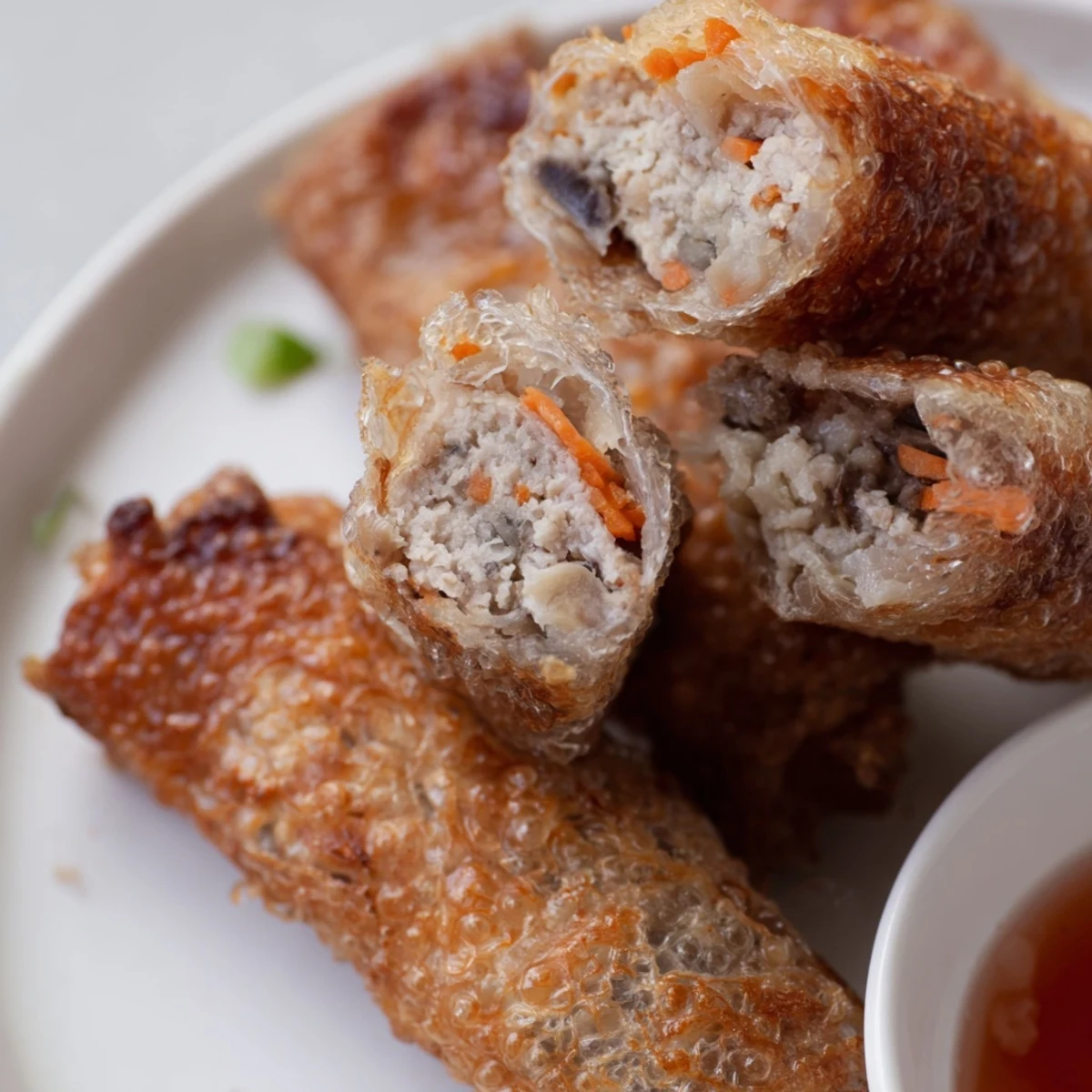
 These crispy golden Vietnamese spring rolls feature a savory filling of ground pork, shrimp, vermicelli noodles, and aromatic vegetables wrapped in delicate rice paper. The traditional preparation combines garlic, shallots, fish sauce, and black pepper for authentic Southeast Asian flavors.
Fry until perfectly golden and serve with fresh lettuce, mint, basil, and classic Nuoc Cham dipping sauce for the complete experience. Each roll delivers satisfying crunch with tender, flavorful filling inside.
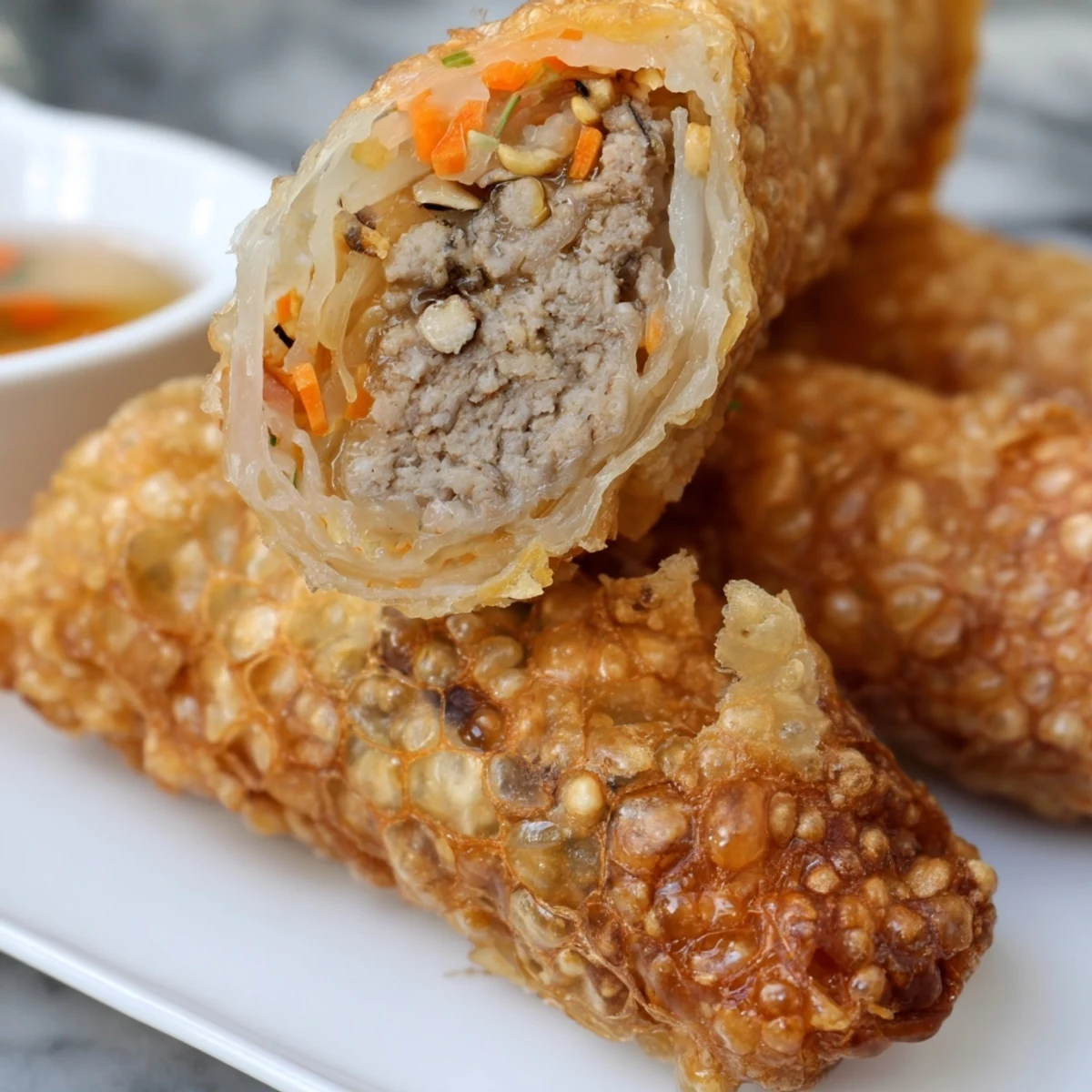
The double-frying technique ensures maximum crispiness while keeping the interior moist and juicy. Perfect for gatherings or as an impressive appetizer that captures the essence of Vietnamese cuisine.
Last Tet, my mother in law sat me down at her kitchen table with a stack of rice paper wrappers and said today you learn. We spent three hours rolling, her deft fingers moving like she was born holding a wrapper, while mine fumbled and tore. By the fifteenth roll, something clicked in my hands, and I understood why these crispy little packages disappear so fast at family gatherings.
I brought these to a summer backyard party last year, setting out platters alongside the usual burgers and chips. Within ten minutes, people were abandoning the grill line to hover over my spring rolls, asking what on earth was in them. Watching friends who swore they hated fish sauce reach for seconds was the kind of kitchen victory I live for.
Ingredients
- 250 g ground pork: Use fatty ground pork for the juiciest filling, lean meat dries out during frying
- 100 g raw shrimp: Chopping the shrimp into small pieces creates pockets of sweetness throughout every bite
- 50 g dried vermicelli noodles: Soak these in warm water until pliable, then chop them into short lengths
- 50 g carrot: Grated carrot adds sweetness and keeps the filling moist
- 50 g taro or jicama: This optional ingredient provides a subtle crunch that contrasts beautifully with the tender pork
- 30 g wood ear mushrooms: Rehydrate these until soft, then chop them finely for their earthy flavor and texture
- 2 garlic cloves and 2 shallots: Mince these aromatics finely so they distribute evenly through the filling
- 1 large egg: This binds everything together and helps the filling stay cohesive inside the wrapper
- 1 tbsp fish sauce: The essential Vietnamese seasoning that adds depth and umami to the filling
- 1/2 tsp black pepper, sugar, and salt: Balance these seasonings carefully, tasting as you go
- 20 rice paper sheets: Use 16 cm wrappers for the perfect size, larger sheets make unwieldy rolls
- 750 ml vegetable oil: You need enough oil to submerge the rolls completely for even frying
- Fresh herbs and lettuce: Mint, Thai basil, cilantro, and lettuce wraps are essential for serving
Instructions
- Mix the filling:
- Combine all filling ingredients in a large bowl and mix thoroughly with your hands until everything is evenly distributed and the mixture feels sticky and cohesive
- Soften the rice paper:
- Dip each wrapper in warm water for just 3 seconds, then lay it on a damp towel, it will continue to soften as you work with it
- Roll the spring rolls:
- Place one tablespoon of filling on the lower third, fold the bottom edge up, tuck in the sides tightly, then roll upward until sealed, keeping the filling compact
- Heat the oil:
- Bring your oil to 170°C, or test by dipping a wooden chopstick in, when bubbles form rapidly around it, the oil is ready
- Fry until golden:
- Cook the rolls in batches for 5 to 7 minutes, turning them occasionally, until they are deeply golden and sound hollow when tapped
- Drain and serve:
- Transfer to paper towels to drain excess oil, then serve immediately while hot and irresistibly crispy
 Pin It
 These rolls became my go to comfort food during late graduate school nights, frying batches while studying for exams and eating them straight from the paper towel lined plate. Something about the ritual of rolling, the sizzle of frying, and that first satisfying crunch made even the hardest weeks feel manageable.
Mastering the Roll
The first few rolls will look messy and that is completely normal. Keep your hands damp while working to prevent sticking, and pull the wrapper tight as you roll to avoid air pockets, which cause uneven cooking.
Perfecting the Fry
Crowding the pan drops the oil temperature dramatically and makes soggy spring rolls. Fry in small batches, giving each roll enough space to float freely, and maintain that steady 170°C for the crispiest results.
Serving Like a Pro
Set up a little assembly station with lettuce cups, piles of fresh herbs, and a bowl of Nuoc Cham. The cool, crisp lettuce and bright herbs cut through the richness of the fried rolls, creating that perfect Vietnamese balance.
- Make extra Nuoc Cham, people will want to double dip
- Keep fried rolls warm in a 200°F oven if making a big batch
- Fry immediately before serving for maximum crunch
 Pin It
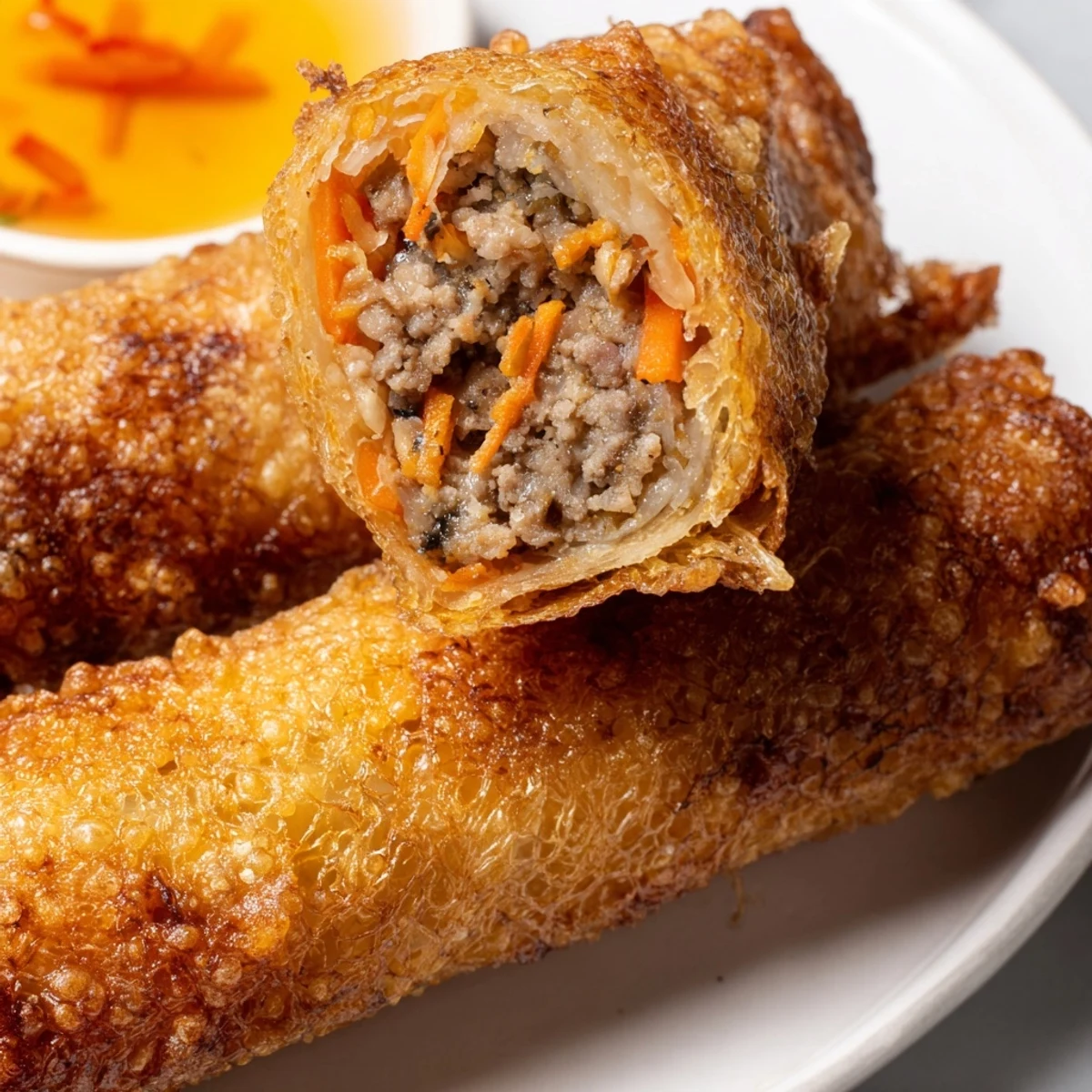
 There is nothing quite like the sound of these rolls hitting hot oil, that satisfying sizzle that promises something delicious is on the way. I hope these become a staple in your kitchen too.
Common Questions
- → What makes Cha Gio different from other spring rolls?
-
Cha Gio uses rice paper wrappers instead of wheat-based wrappers, creating a delicate, crispy texture. The filling combines pork and shrimp with vermicelli noodles and vegetables, delivering authentic Vietnamese flavors through fish sauce and aromatic aromatics.
- → How do I prevent rice paper from tearing during wrapping?
-
Dip rice paper in warm water for only 3 seconds—over-soaking makes it fragile. Place on a damp towel while working. Fill and roll immediately while still pliable. Keep finished rolls covered with a damp cloth until frying to prevent drying.
- → Can I make Cha Gio ahead of time?
-
Yes, assemble uncooked rolls up to 4 hours ahead. Cover with damp paper towels and plastic wrap, refrigerate. Fry just before serving for maximum crispiness. Cooked rolls can be frozen and reheated in a 375°F oven for 10-12 minutes.
- → What's the purpose of double-frying?
-
Double-frying creates extra-crispy exterior. The first fry cooks the filling through. Let rolls cool 2-3 minutes, then fry again briefly at slightly higher temperature. This step crisps the wrapper without overcooking the interior.
- → What vegetables work best in the filling?
-
Carrot and taro or jicama provide sweetness and crunch. Wood ear mushrooms add texture. Traditional versions include all three, though you can substitute additional carrot if taro is unavailable. Grate finely for even cooking.
- → What's the ideal oil temperature for frying?
-
Heat oil to 170°C (340°F). If temperature is too low, rolls become greasy. Too high, and they burn before cooking through. Use a kitchen thermometer for accuracy, or test with a small piece of rice paper—it should bubble actively.
